VADB
Styles
Genres
Museums
Artists
Support
⌘K
Perched Rock, Rocker Creek, Arizona by William H. Bell — VisualArtsDB
Home
/
Photographs
/
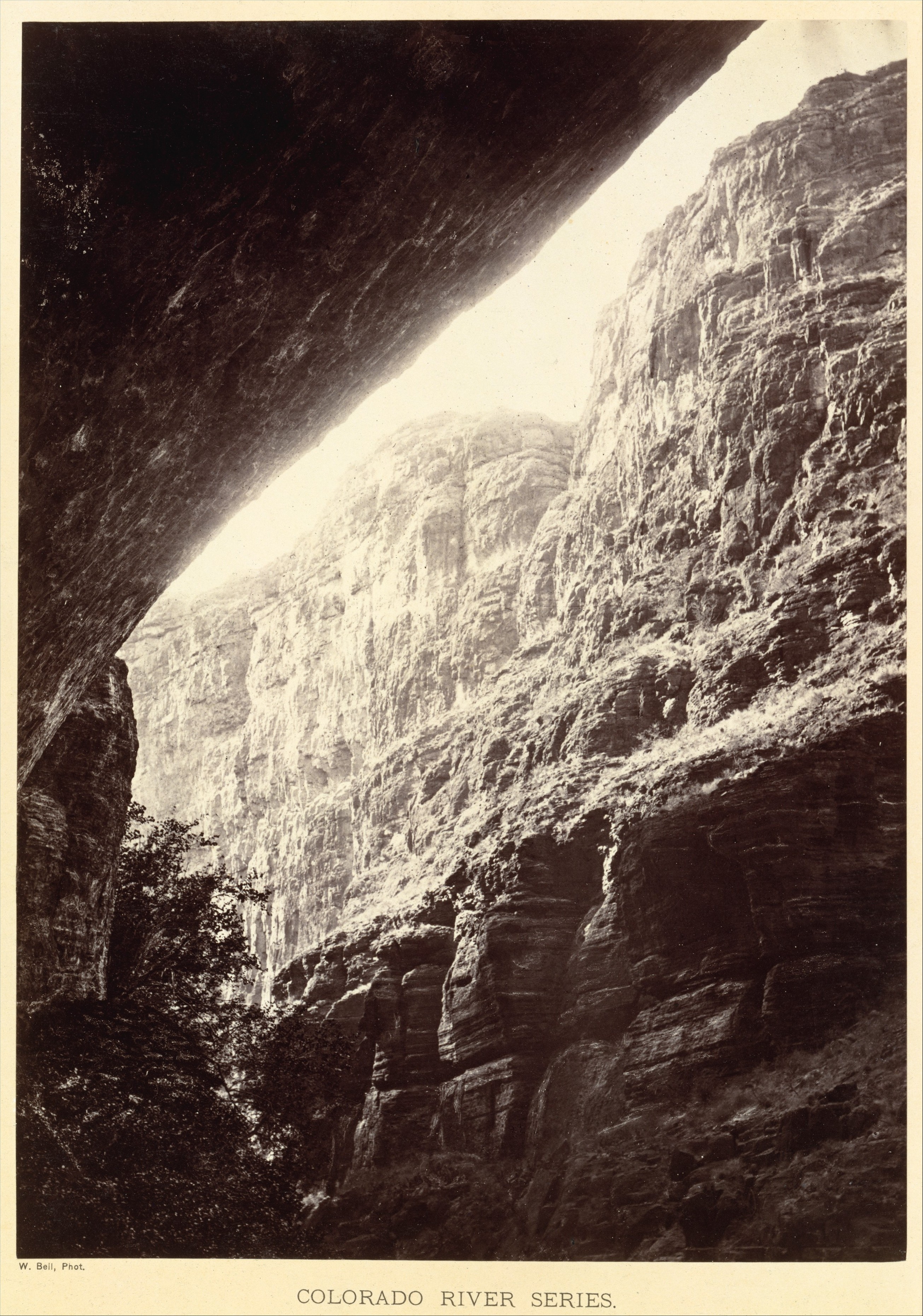
Perched Rock, Rocker Creek, Arizona
No image available
Perched Rock, Rocker Creek, Arizona
William H. Bell
1872
Medium
Albumen silver print from a glass-plate negative
Dimensions
10 13/16 × 8 1/16" (27.5 × 20.4 cm)
Genre
Photographs
Museum
Museum of Modern Art (MoMA), New York City, NY, US
More by William H. Bell
Successful Excision of the Head of the Left Femur for Gunshot Fracture
William H. Bell, 1865
Successful Primary Excision of the Head and three inches of the Shaft of the Right Humerus for Gunshot Fracture
William H. Bell, 1865
Colorado River, Mouth of Kanab Wash, Looking West
William H. Bell, 1872
Small artificial lake for irrigating purposes at Mona.
William H. Bell, 1872
Cañon of Kanab Wash, Colorado River, Looking South
William H. Bell, 1872
Cañon of Kanab Wash, Looking South
William H. Bell, 1872
Perched Rock, Rocker Creek, Arizona
William H. Bell, 1872
Headland, Colorado Basin.
William H. Bell, 1872
View in the Grand Cañon of the Colorado River, No. 12 from the series "Geographical Explorations and Surveys West of the 100th Meridian"
William H. Bell, 1872
Grand Canon of the Colorado.
William H. Bell, 1872
Sevier River Valley, to the south of Gunnison, Utah
William H. Bell, 1872
Grand Canon of the Colorado.
William H. Bell, 1872