Stone Seals
- Medium
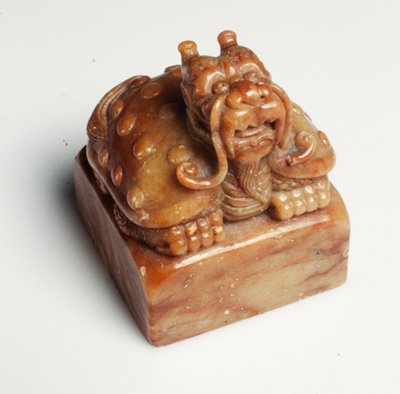
- Nephrite (jade) and soapstone
- Dimensions
- 2 1/4 x 1 3/4 x 1 3/4 in. (5.72 x 4.45 x 4.45 cm)
Tags
China
About
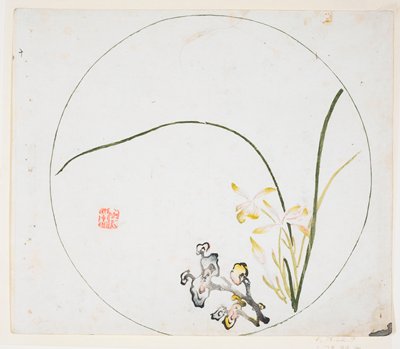
Used by literati to impress their personal marks on documents and works of art, seals were among the most important scholar's implements. The literati often carved the legends themselves. Bronze and jade were commonly used for seals before the Yuan dynasty (1280–1368), but these materials proved too hard to be carved by anyone but professionals. In the Ming dynasty, soapstone became the preferred material of the literati. Scholars readily carved the soft material in their personal calligraphic styles. Like literati paintings, seals expressed the taste and personality of their owners. The squared, angular characters and simple, forceful calligraphy in these examples were inspired by Han dynasty (2nd century BCE–2nd century CE) script, which along with bronze inscriptions and other early styles of calligraphy was studied and emulated by the wen ren. The tortoise at the top of each seal often appeared in Han dynasty seals. It symbolized longevity, strength, and endurance, traits associated with the scholar.