Thermos pitcher
Henry Dreyfuss
1935
- Medium
- Enameled steel, glass, rubber, and chrome plating
- Dimensions
- 7 1/2 x 6 3/4 x 5 1/4in. (19 x 17.1 x 13.3cm)
- Genre
- Metalwork
Tags
United States
About
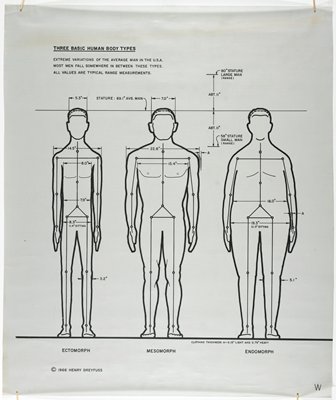
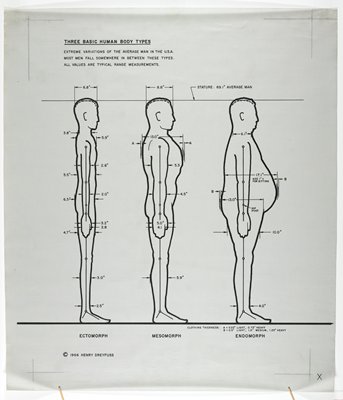
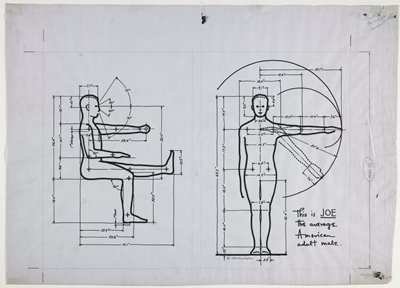
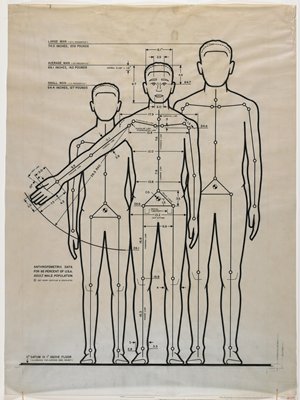
Henry Dreyfuss was perhaps the most understated of the early industrial designers. Like his teacher and main inspiration Norman Bel Geddes, he moved from theater design to industrial design, but took a more practical approach, developing long relationships with clients such as the Hoover company, John Deere, and the New York Central Railroad. Dreyfuss preferred the word cleanlining to streamlining, which distanced him from what he considered to be the excesses of the 1930s restyling movement. He was sufficiently self-promotional to write his own autobiography, Designing for People, in 1955, following in the footsteps of Bel Geddes, Teague, and Loewy. These pitchers are typical of his approach to industrial design, with synthetic materials and clean lines. The American Thermos Bottle Company promoted them with Dreyfuss's name, which appears in signature form on the bottom.