Portrait of Countess Maria Theresia Bucquoi, née Parr
- Medium
- Oil on canvas
- Dimensions
- 53 1/2 x 39in. (135.9 x 99.1cm) 61 1/2 × 47 × 3 1/2 in. (156.21 × 119.38 × 8.89 cm) (outer frame)
- Genre
- Paintings
Tags
Austria
About
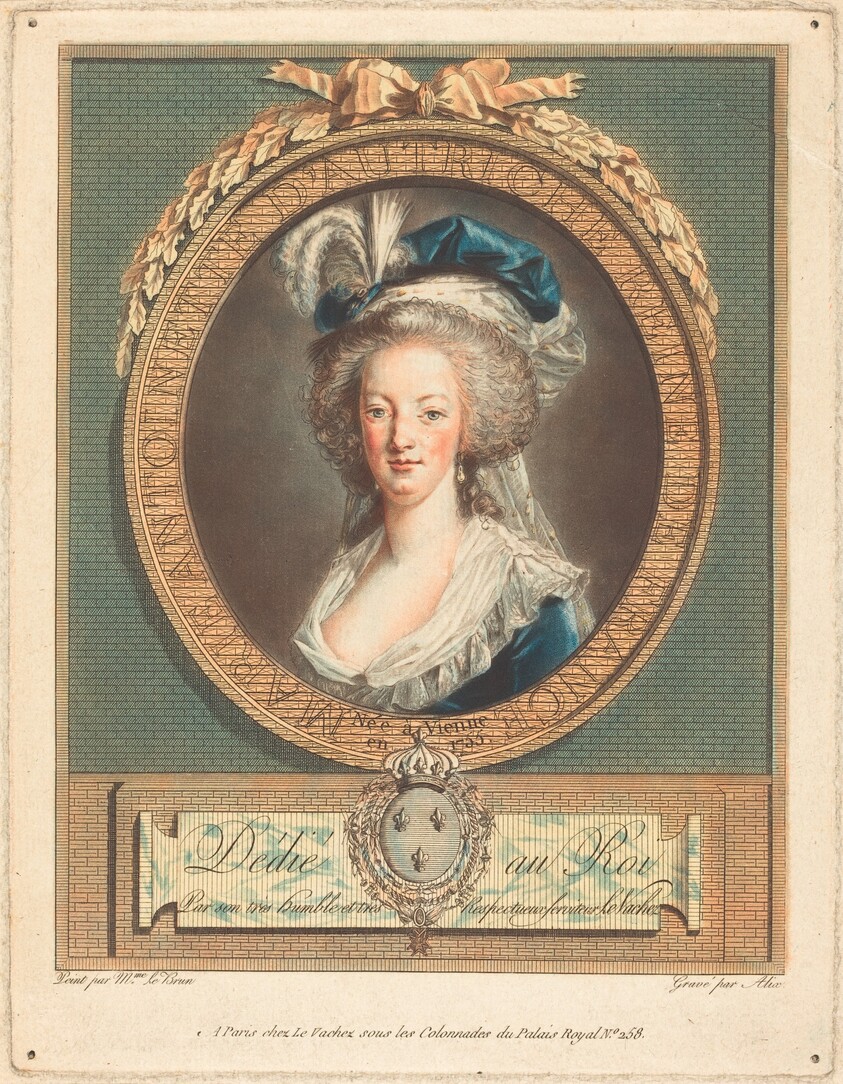
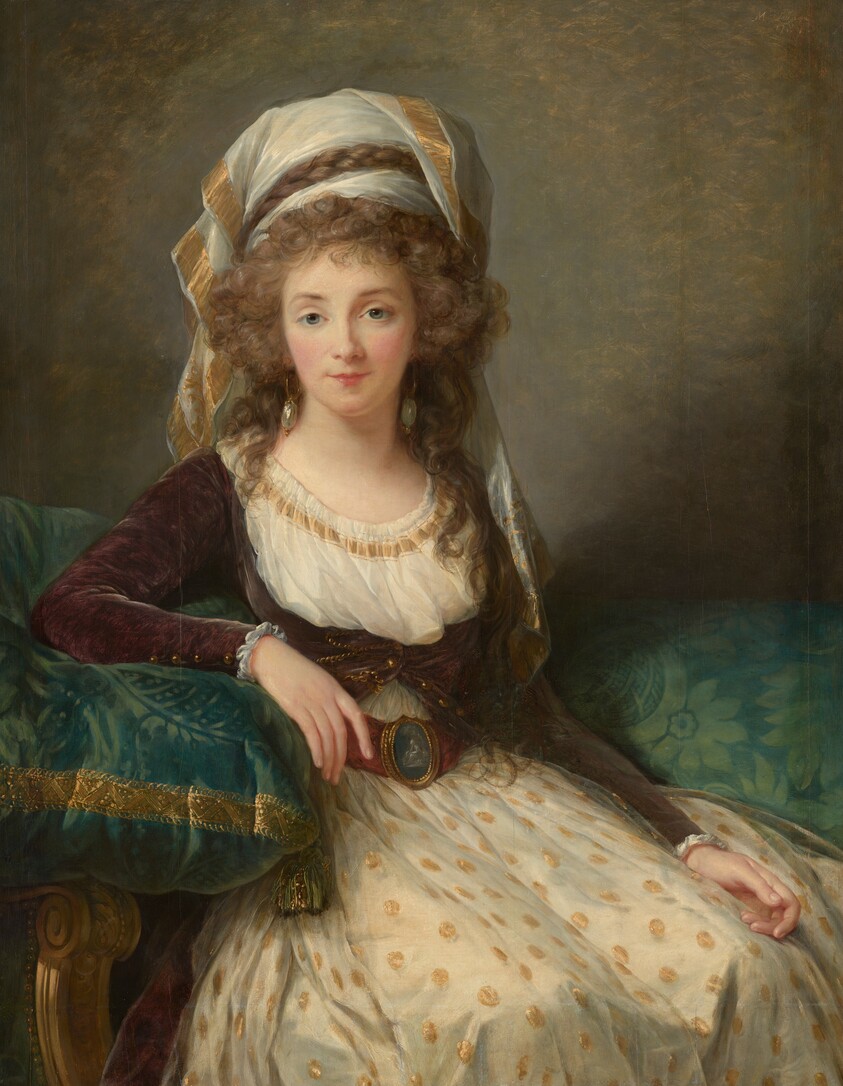
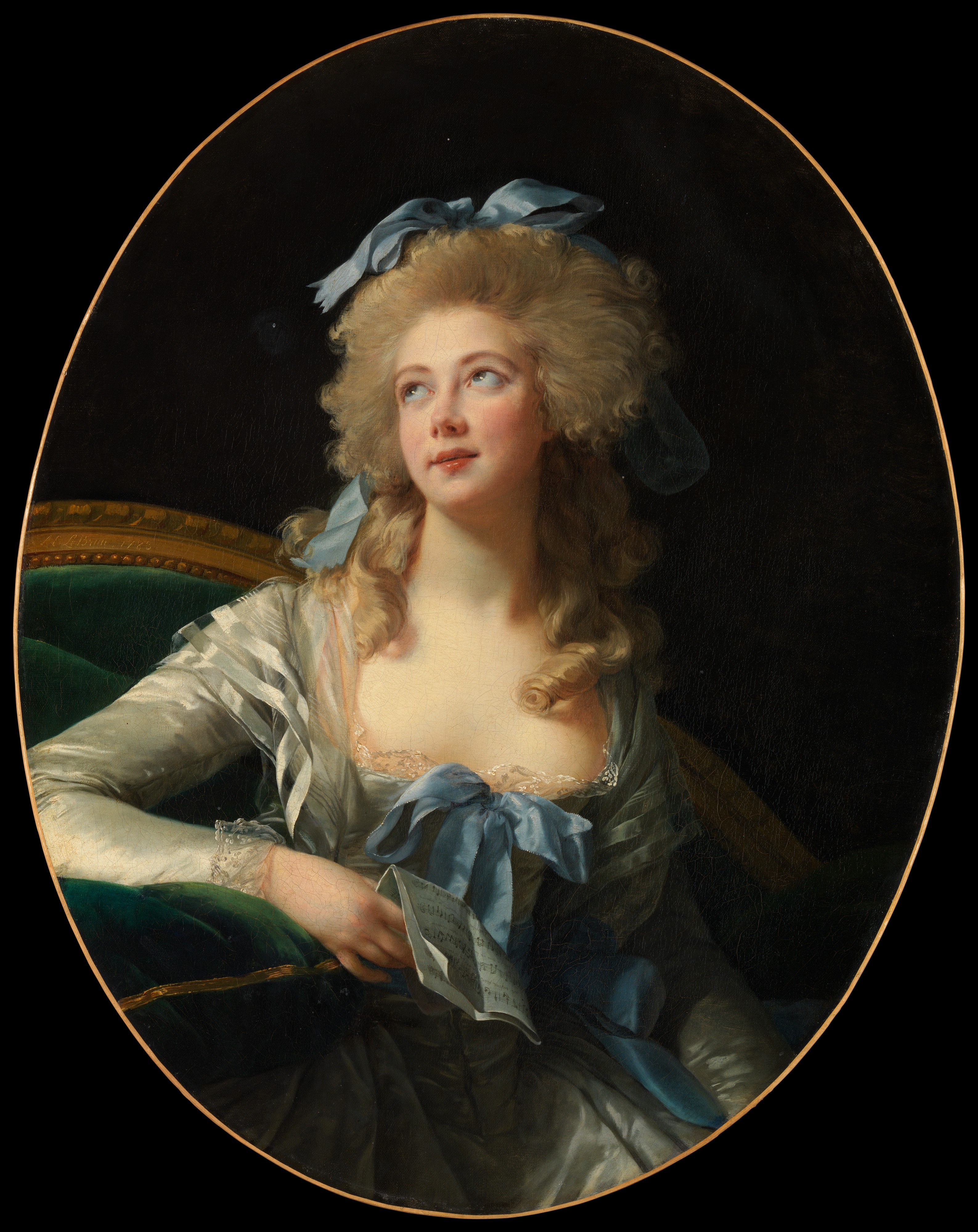
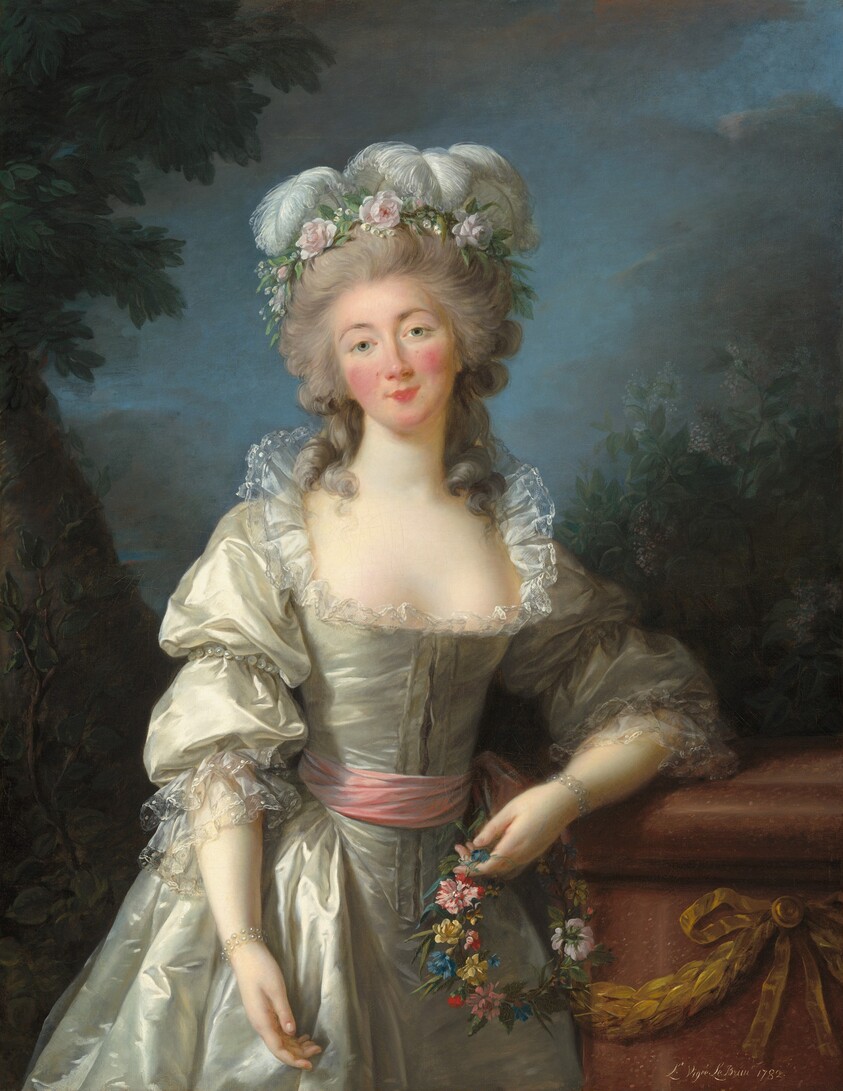
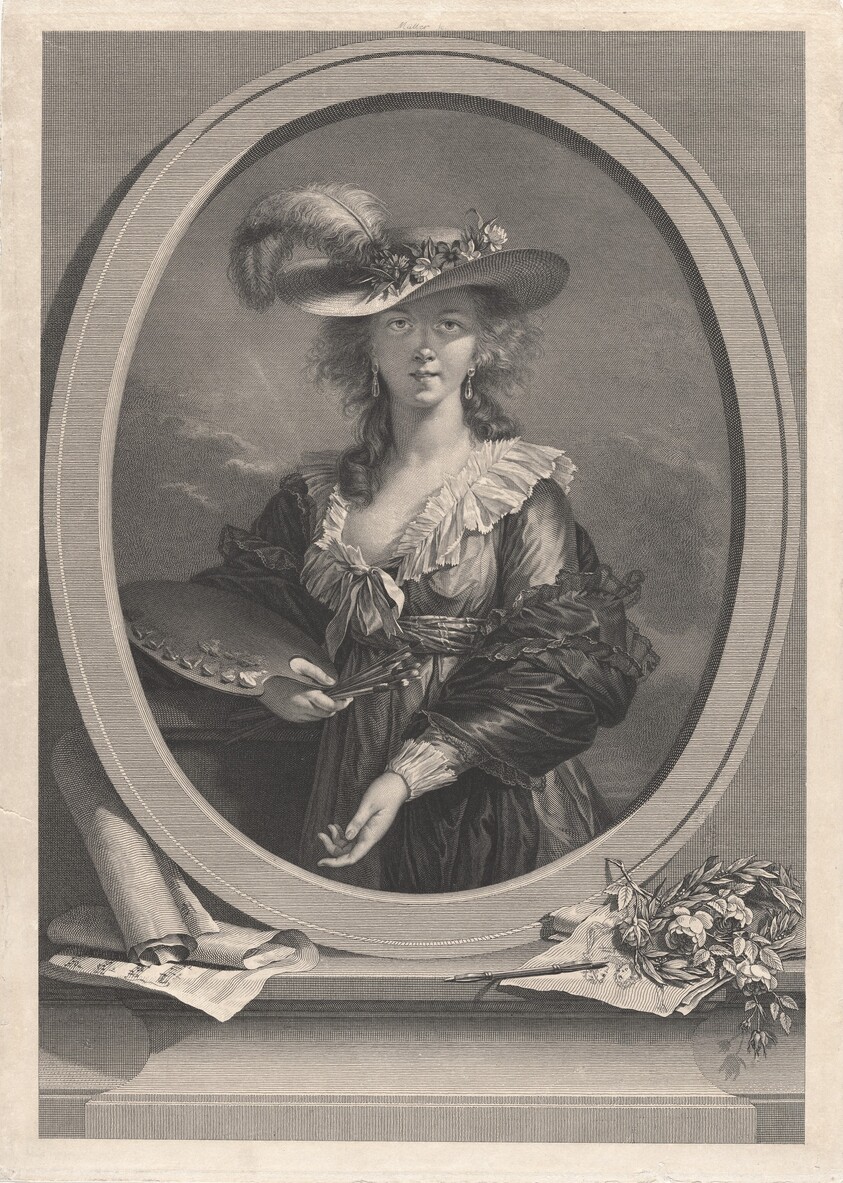
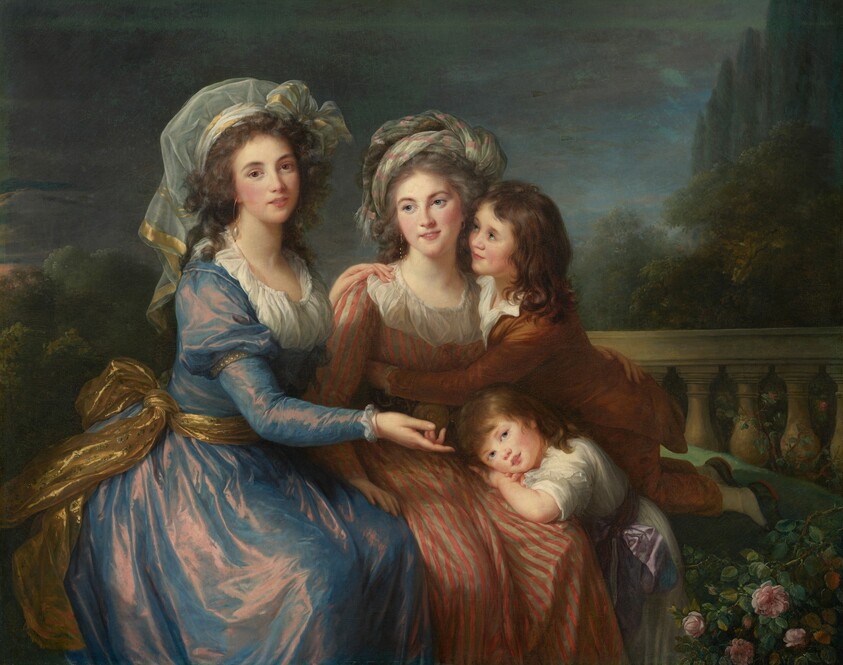
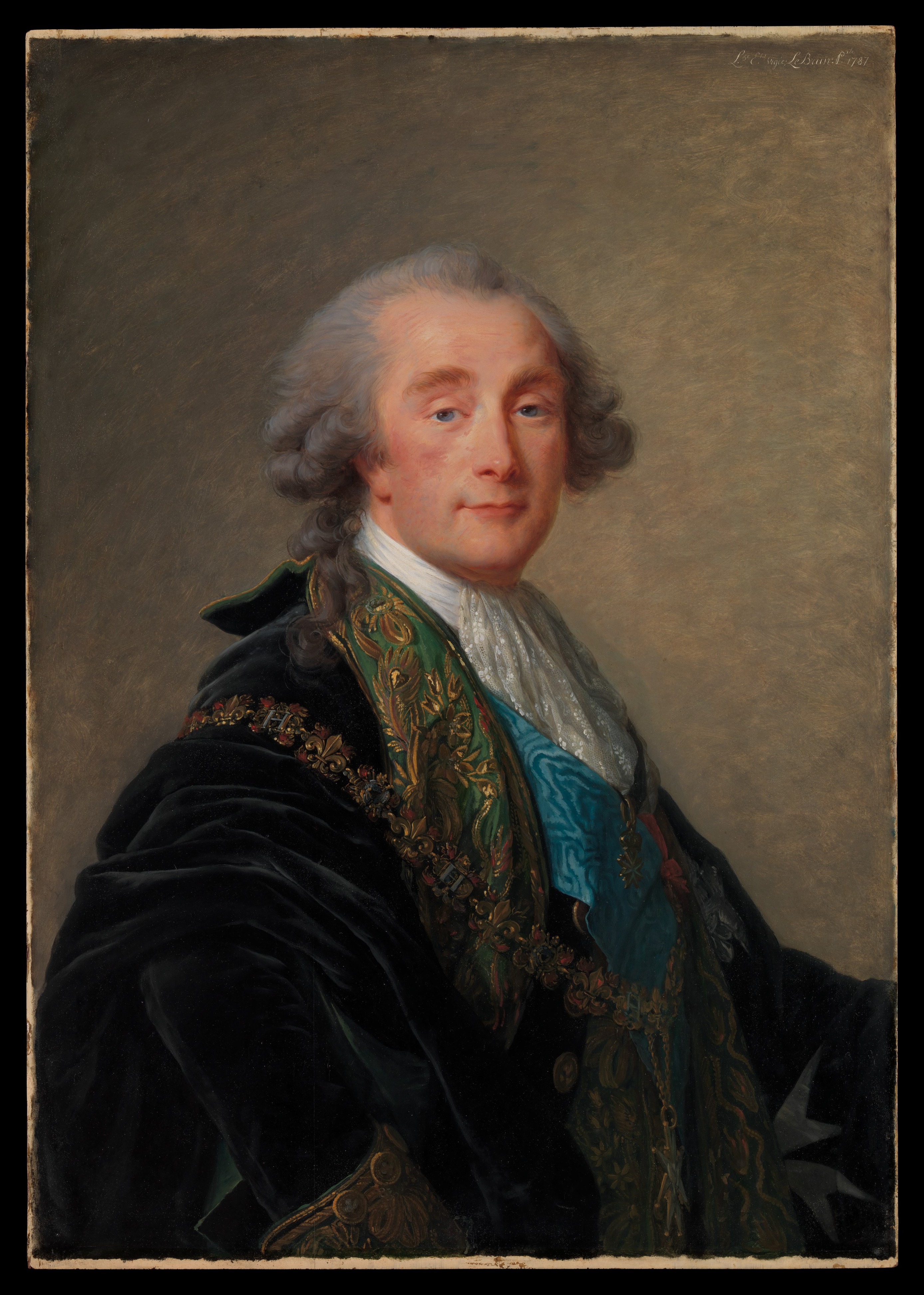
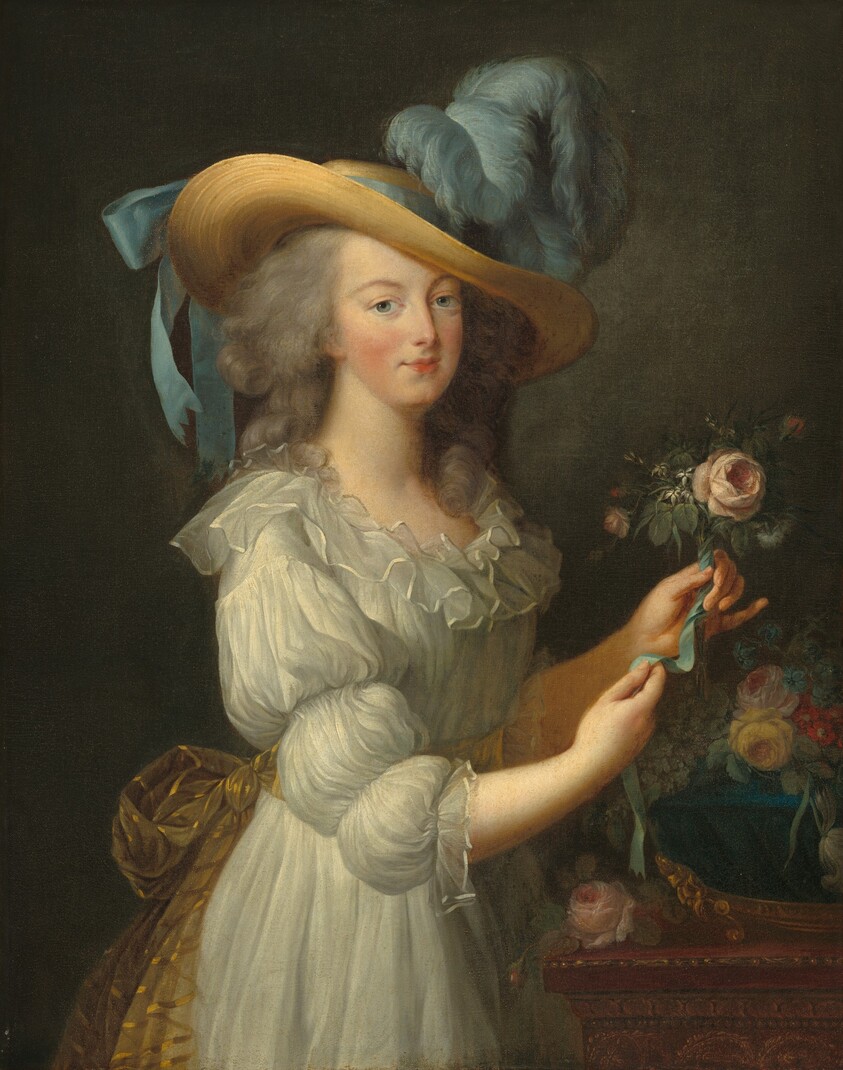
Vigée Le Brun was one of the most important women painters in Europe before 1800. At the age of 24, she made her first portrait of Marie-Antoinette (1755–1793), queen of France, and subsequently became the monarch's principal portraitist. Given their close ties, Vigée-LeBrun was forced to flee France following the Revolution. Part of her 12-year exile was spent in Vienna, Marie-Antoinette's birthplace, where she painted this image of Countess Maria Theresia Bucquoi (1746–1818) before the picturesque mountains of the Danube River. The portrait was made for the countess's brother, Prince Wenzel Paar (1744–1812). In her memoirs, Vigée LeBrun recounts the painting's installation in the prince's palace, where the white-paneled interior clashed with the picture's vibrant palette. To soften the contrast, the prince deployed green velvet hangings and spot-lit the picture with a candelabra and mirror.