The Wounded Eurydice
- Medium
- Oil on canvas
- Dimensions
- 23 7/8 x 17 7/8 in. (60.64 x 45.4 cm) (canvas) 31 1/4 x 25 1/2 x 3 1/4 in. (79.38 x 64.77 x 8.26 cm) (outer frame)
- Genre
- Paintings
Tags
france
About
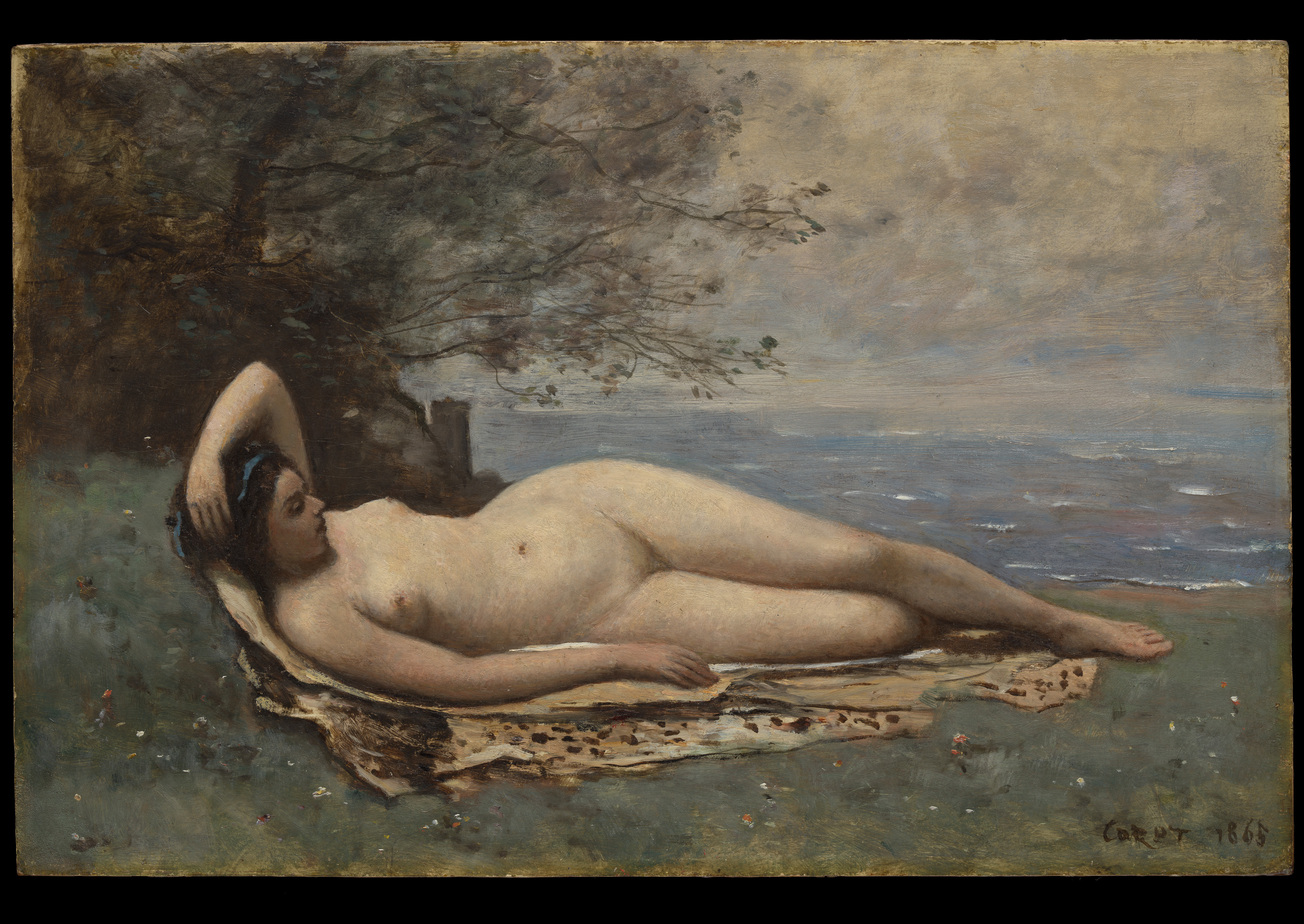
The wood nymph Eurydice was lethally wounded by a snake. Corot borrowed the pose of the wounded Eurydice from a famous ancient Greek sculpture known as the 'Spinario' or 'Thorn-Puller, ' thus she hardly appears at death's door. Corot chose a less usual episode in this story from classical mythology. Artists more often depicted Eurydice's husband's attempted rescue of her from the underworld. Orpheus, a musician and poet, journeyed down to Hades and briefly secured Eurydice's release through the power of his music. But Pluto imposed one condition: Orpheus could not look back at Eurydice until they reached the upper world. Orpheus looked back and she was pulled into the depths. Corot did not hint at the cruel fate awaiting the young nymph in his painting. The work once belonged to James J. Hill (1838-1916), the Minnesota railroad magnate whose collection of European paintings forms the basis of the Institute's nineteenth-century holdings.