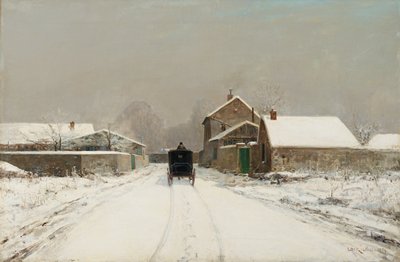
L'Avenue de Neuilly on a Winter Day
Luigi Loir
1874
- Medium
- Oil on canvas
- Dimensions
- 24 7/16 × 37 1/2 in. (62.07 × 95.25 cm) (sight) 32 15/16 × 45 13/16 × 2 1/4 in. (83.66 × 116.36 × 5.72 cm) (outer frame)
- Genre
- Paintings
Tags
france
About
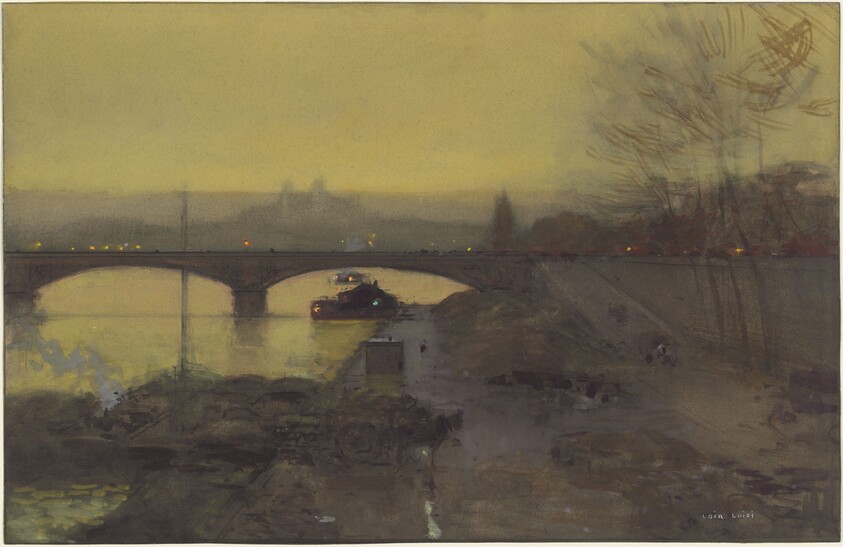
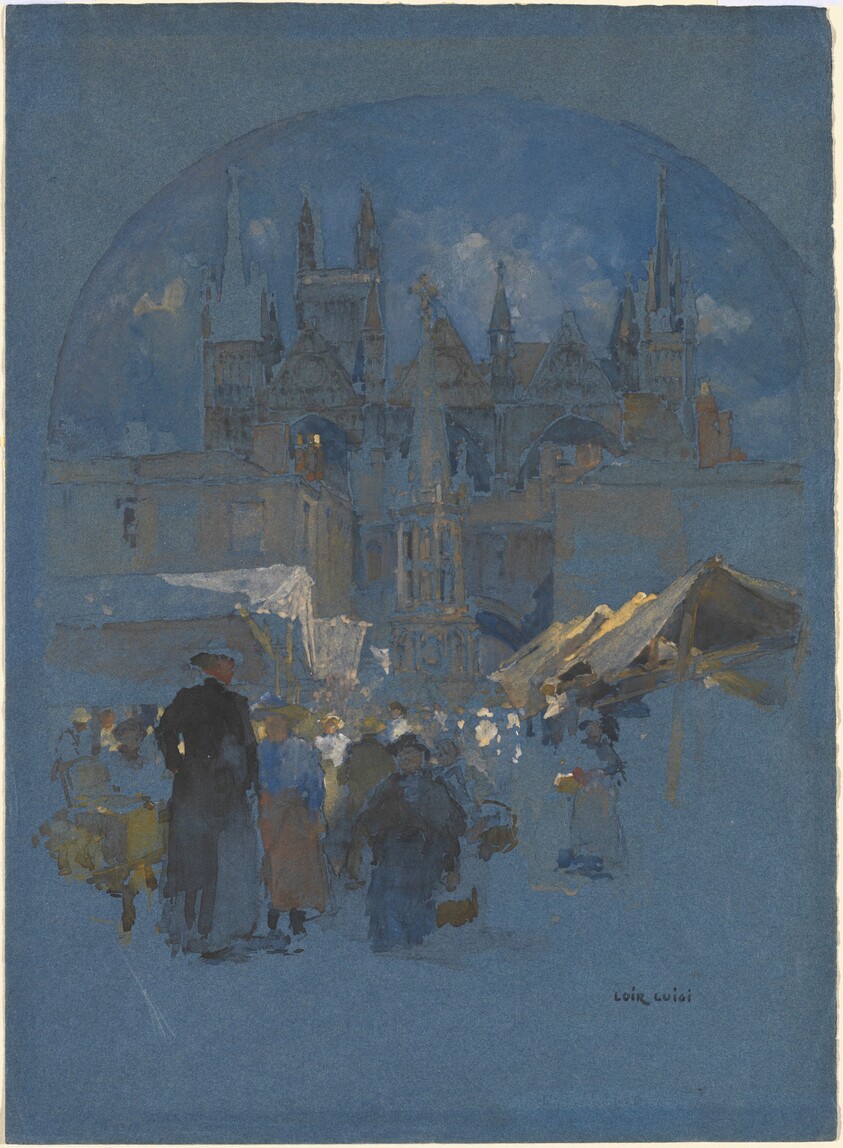
The artistic climate of the latter decades of the nineteenth-century in France was one of modernity and contemporaneity—life in the city. Its most salient representation is found in the paintings and graphic arts of the period called the Belle Époque (1890–1900) and continuing well into the twentieth-century. Luigi Loir, Austrian-born but Paris-trained, was the acknowledged “landscape artist of Paris” who depicted the everyday street scenes of the metropolis and found inspiration in the commercialized and glamorous urban environment. He was especially adept at capturing the stillness of the winter landscape in the outer suburbs.