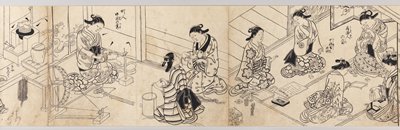
One Hundred Women Classified According to their Rank
- Medium
- Woodblock printed book, ink on paper
- Dimensions
- 9 3/16 × 334 in. (23.34 × 848.36 cm) (image) 9 3/16 × 362 5/8 in. (23.34 × 921.07 cm) (mount, without roller)
- Genre
- Books & publications
Tags
Japan
About
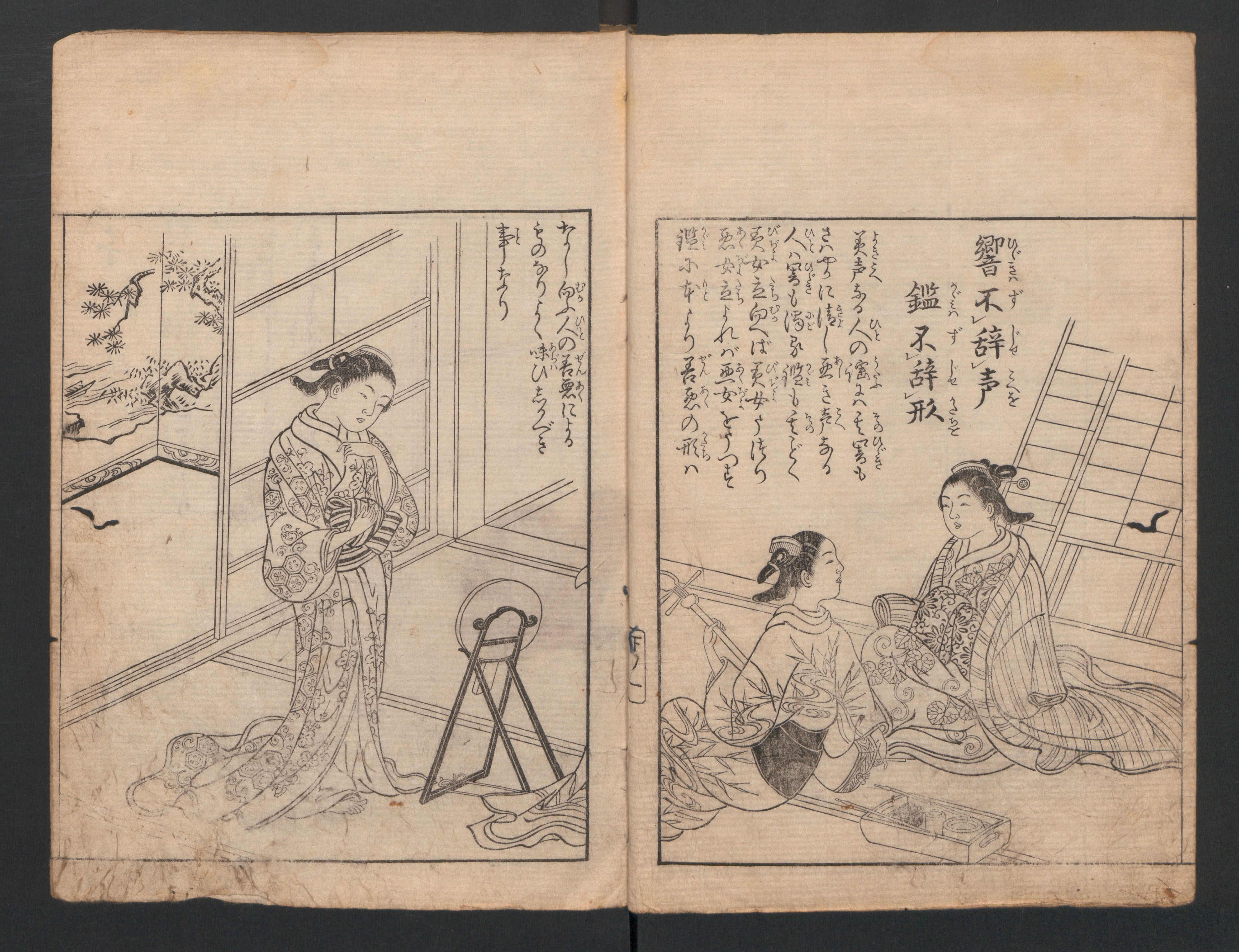
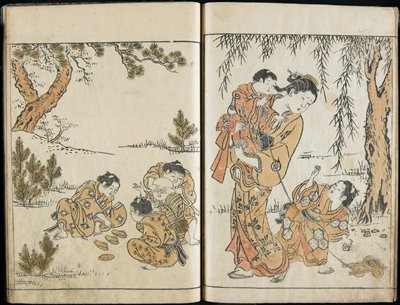
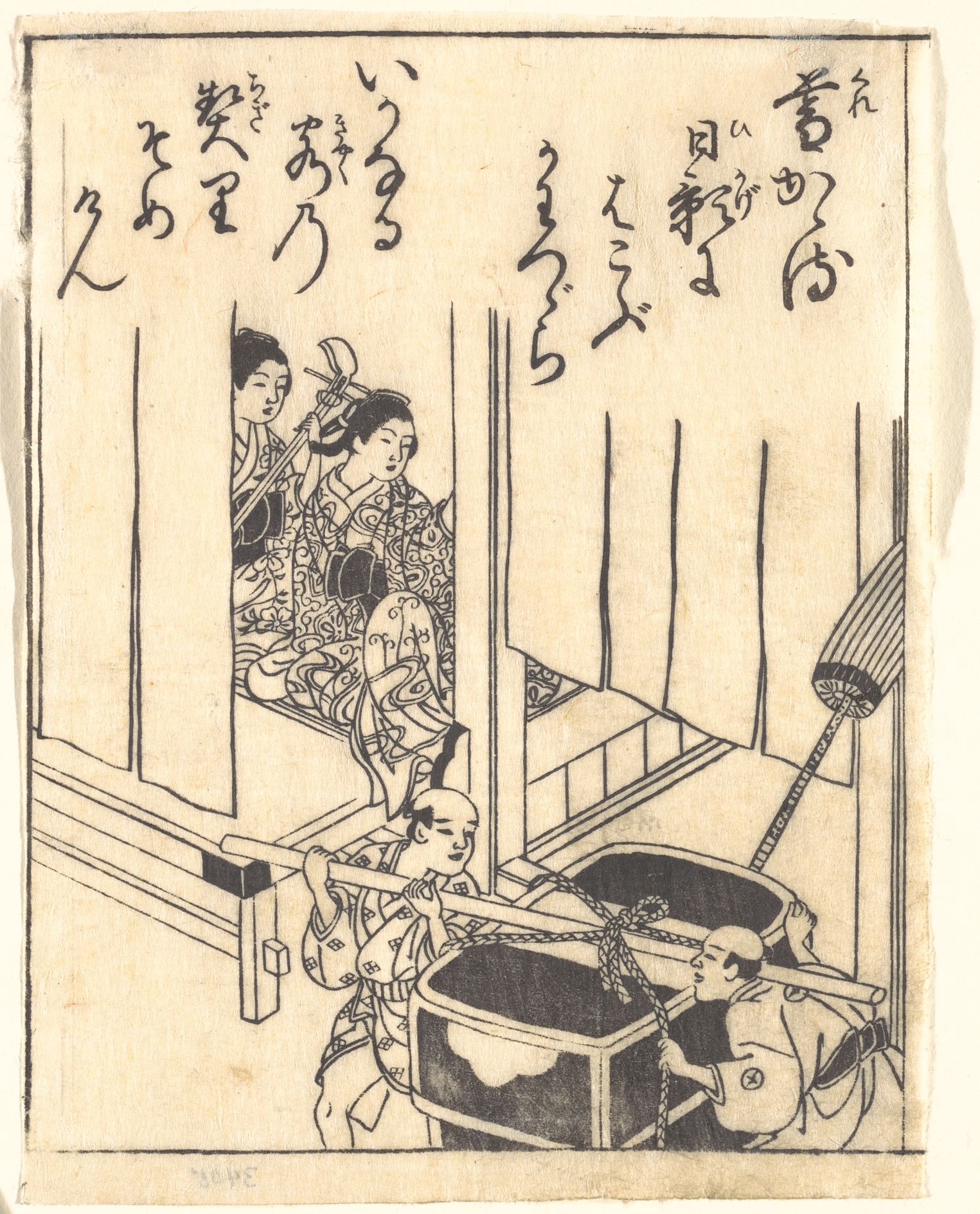
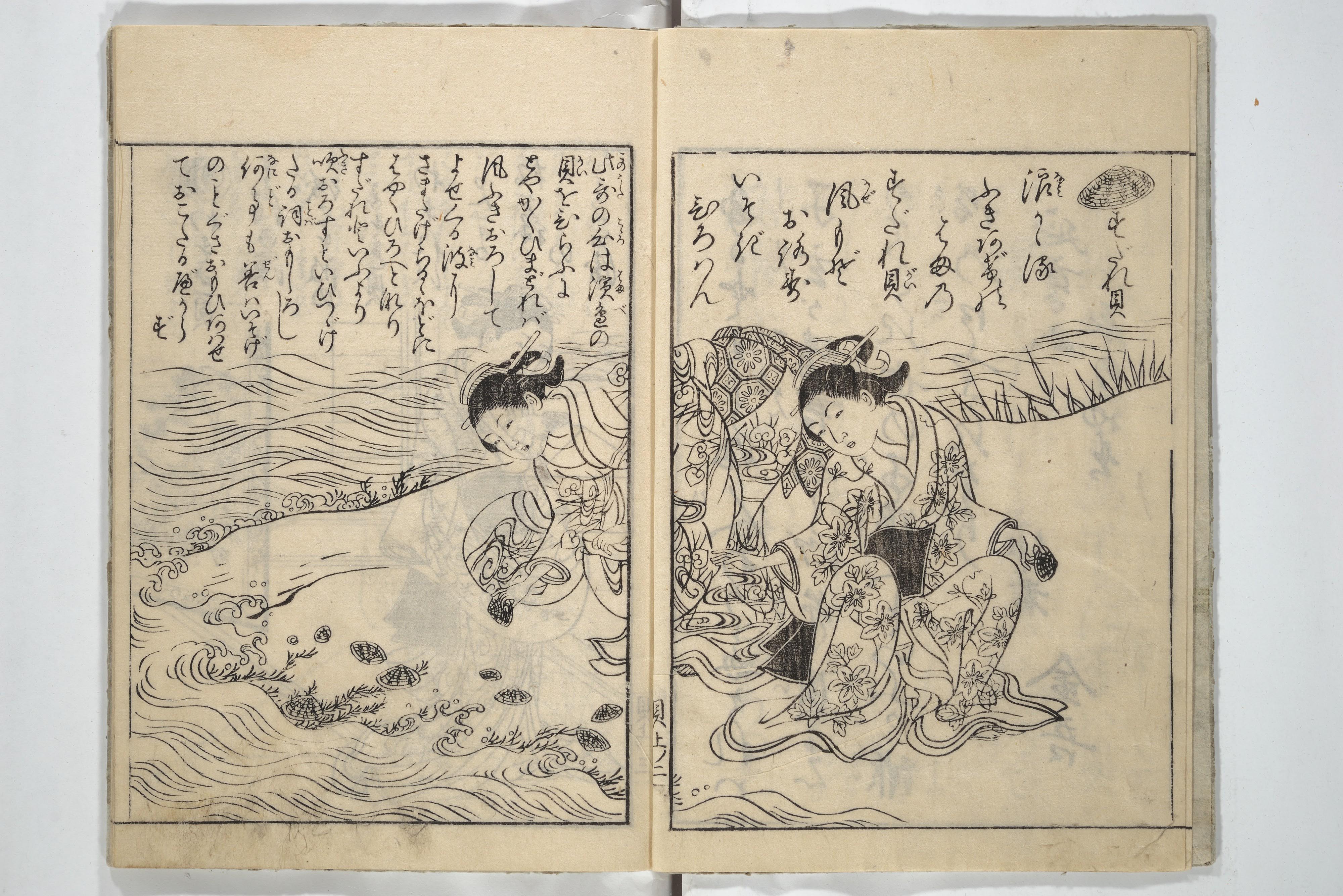
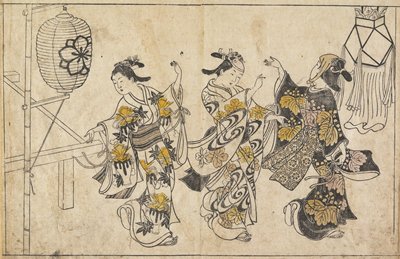
In this handscroll, Nishikawa Sukenobu depicted women of varying vocations and ranks in their daily dress. Beginning with an empress and her servants, his book offers a glimpse into the range of roles women played in Edo-period Japan. Throughout the handscroll, he shows women employing literacy in their work: a poet composes a poem; a doctor measures out medication doses while consulting a book; a scribe holds her brush at the ready. This work is a rare example of how the content of printed books could circulate: this work consists of pages from a printed book, which were hand copied and bound as a book, that was then remounted as a handscroll. The practice of copying books by hand was a way for readers who could not, for some reason, obtain the printed original. Hand-copied versions of texts are more common, while hand-copied illustrated books, such as the pages in this handscroll, are relatively uncommon. A note at the end of the handscroll indicates that the copying was done in 1729, six years after the publication of the original book.