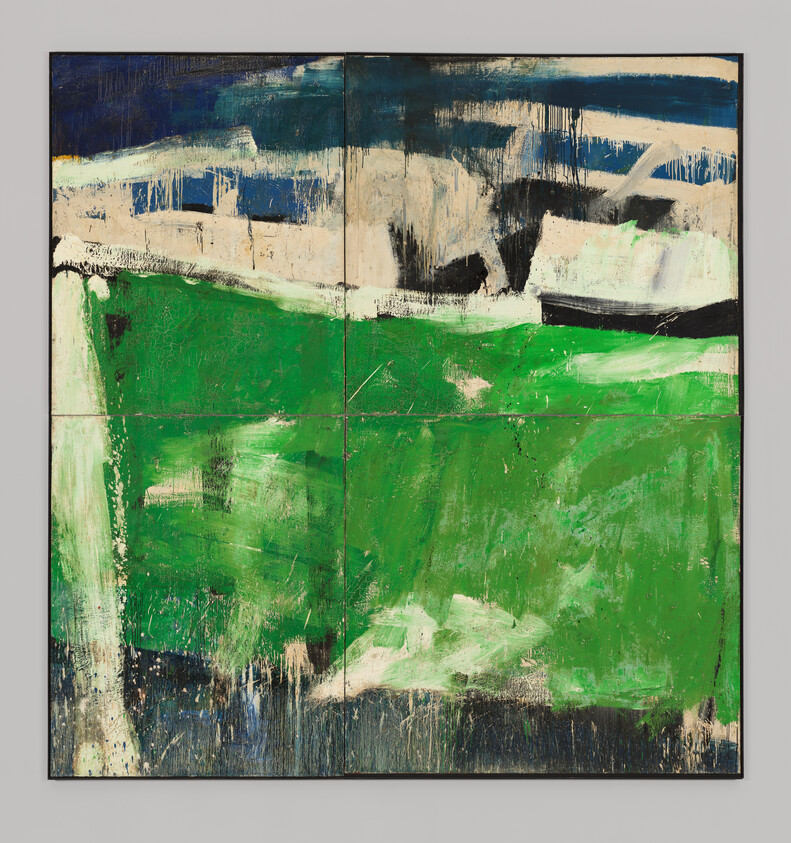
Einstein's Secret
Alfred Leslie
1958
- Medium
- Wood, pigment, and paper
- Dimensions
- 59 1/2 x 50 in. (151.13 x 127 cm) (object part) 64 1/2 x 55 in. (163.83 x 139.7 cm) (outer frame)
- Genre
- Assemblages
Tags
United States
About
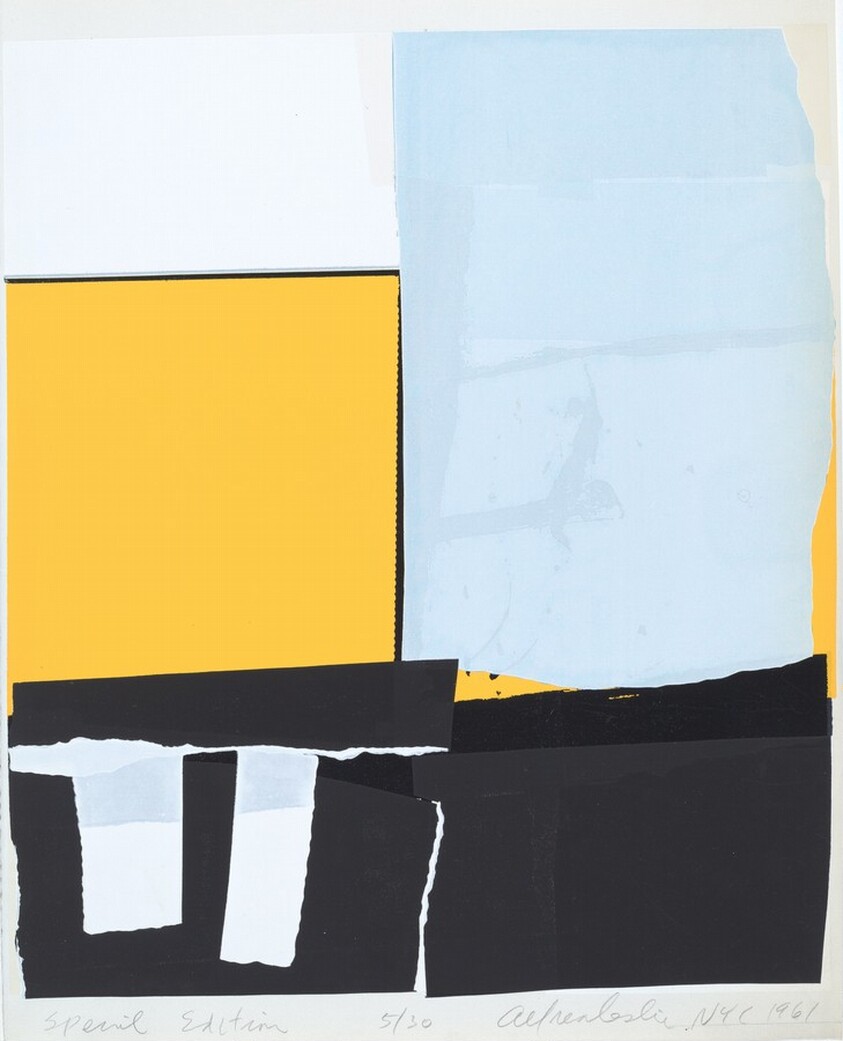
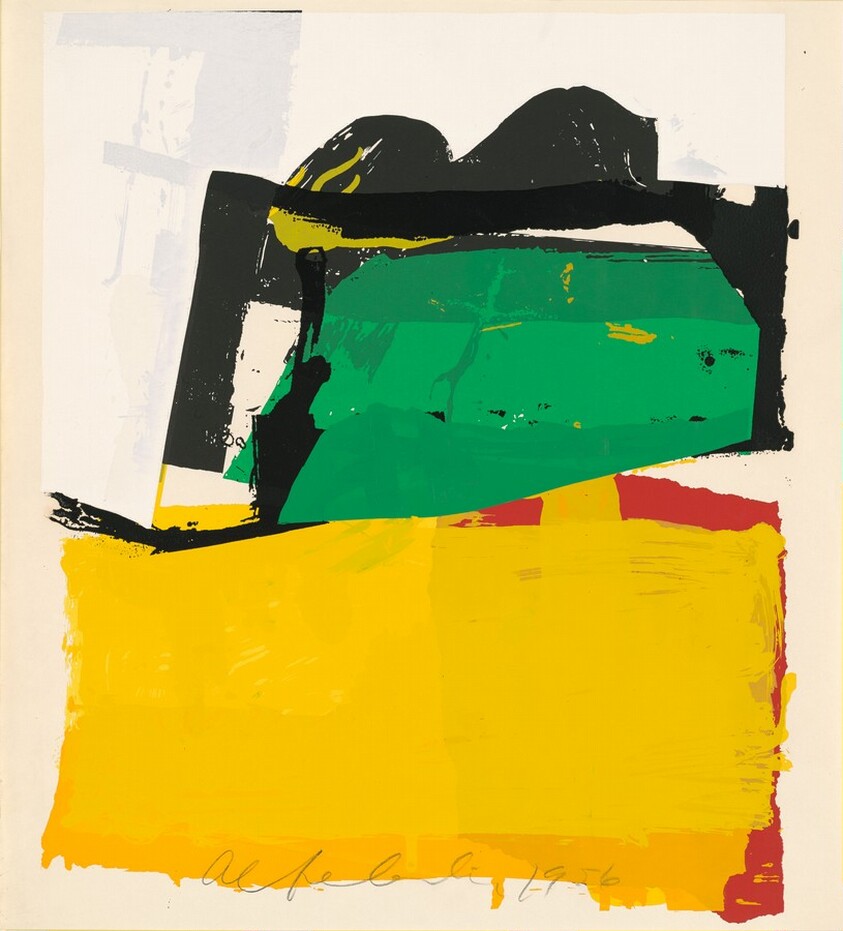
Alfred Leslie made significant contributions to the realm of postwar assemblage art. Drawing inspiration from artists such as Robert Rauschenberg and Jasper Johns, he produced a series of abstract “combines” that integrated three-dimensional objects into painting. Einstein’s Secret exemplifies Leslie’s innovative assemblage practice during the 1950s and 1960s that incorporated a wide array of materials and found objects, exploring the expressive possibilities of texture, form, color, and composition. By juxtaposing these disparate elements, Leslie created thought-provoking artworks that challenged conventional notions of representation and meaning. Aside from works of pure abstraction, some of his combines explored themes of consumer culture, social commentary, and the interplay between art and everyday life.