Seated Nude
Milton Avery
1940
- Medium
- Oil on canvas
- Dimensions
- 50 x 33 7/8 in. (127 x 86.04 cm) (outer frame)
- Genre
- Paintings
Tags
United States
About
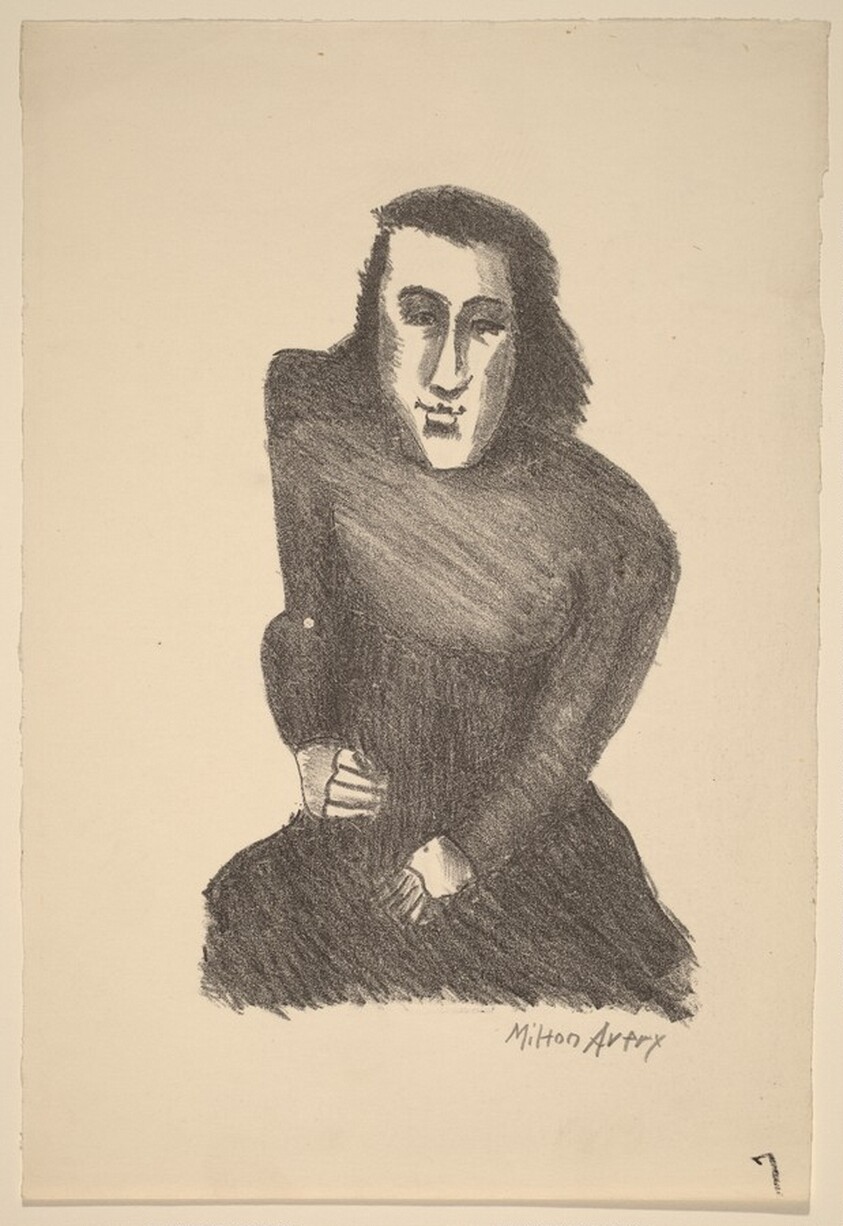
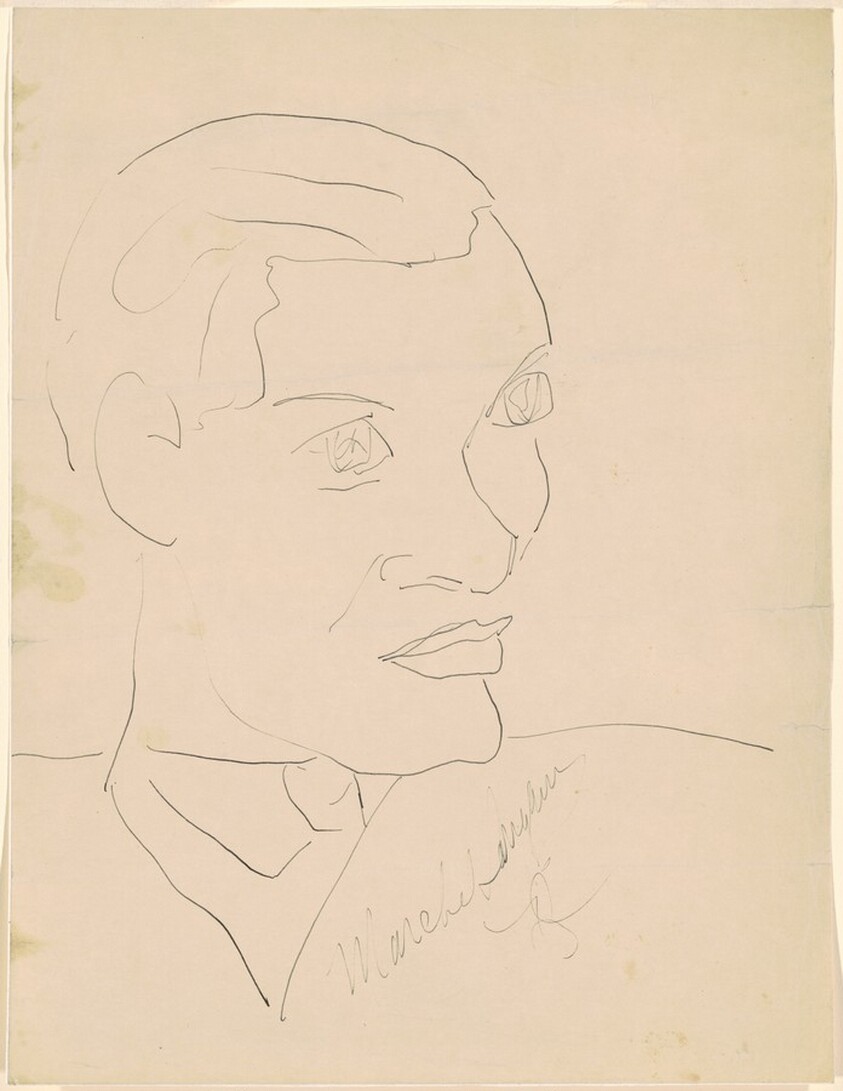
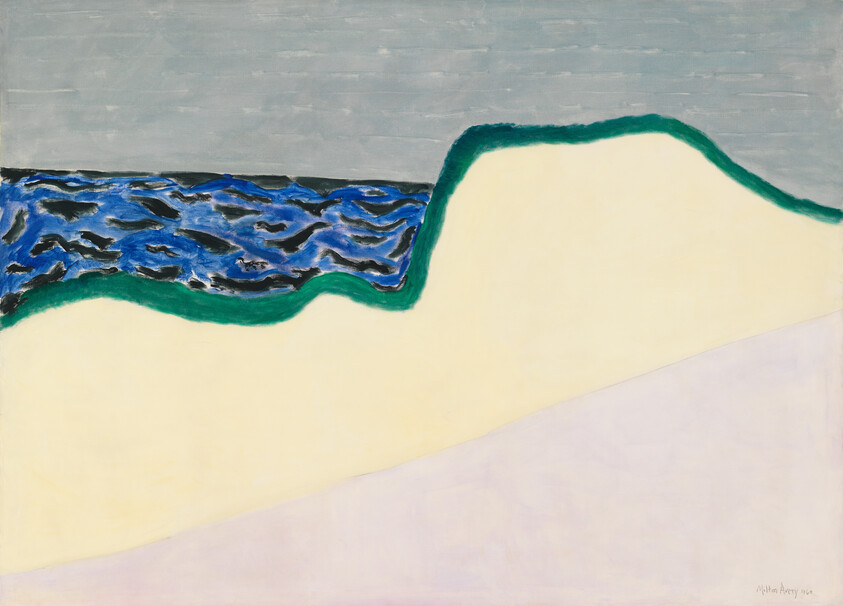
When considered in the context of his time, the combination of abstraction and representational forms in Milton Avery's work set it apart from opposing mainstream trends. On one hand, it was at odds with the realism espoused by the Social Realists, Regionalists, and American Scene painters. On the other hand, its reliance on recognizable subject matter placed it at odds with the critics championing the merits of abstract expressionism. In this stylistic no man's land, he used the nude as the key vehicle for his experiments. Primarily a self-taught artist, Avery was a master at uniting expressive line and planes of color in dynamic compositions such as Seated Nude. The simplicity of form, suppression of extraneous detail, and modulated color also make clear why his friends Mark Rothko and Adolph Gottlieb dubbed him the "American Matisse." His self-avowed admiration of the French master, and his eventual impact on the American Color Field painters, reveal Avery as a vital link between the early European colorists and the New York School.