An English Galliot at Sea Running before a Strong Wind
Willem van de Velde I
1685–1695
- Medium
- Oil on canvas
- Dimensions
- 61 x 86.3 cm (24 x 34 in.) frame: 82.6 × 108 cm (32 1/2 × 42 1/2 in.)
- Genre
- Paintings
Tags
dutch
About
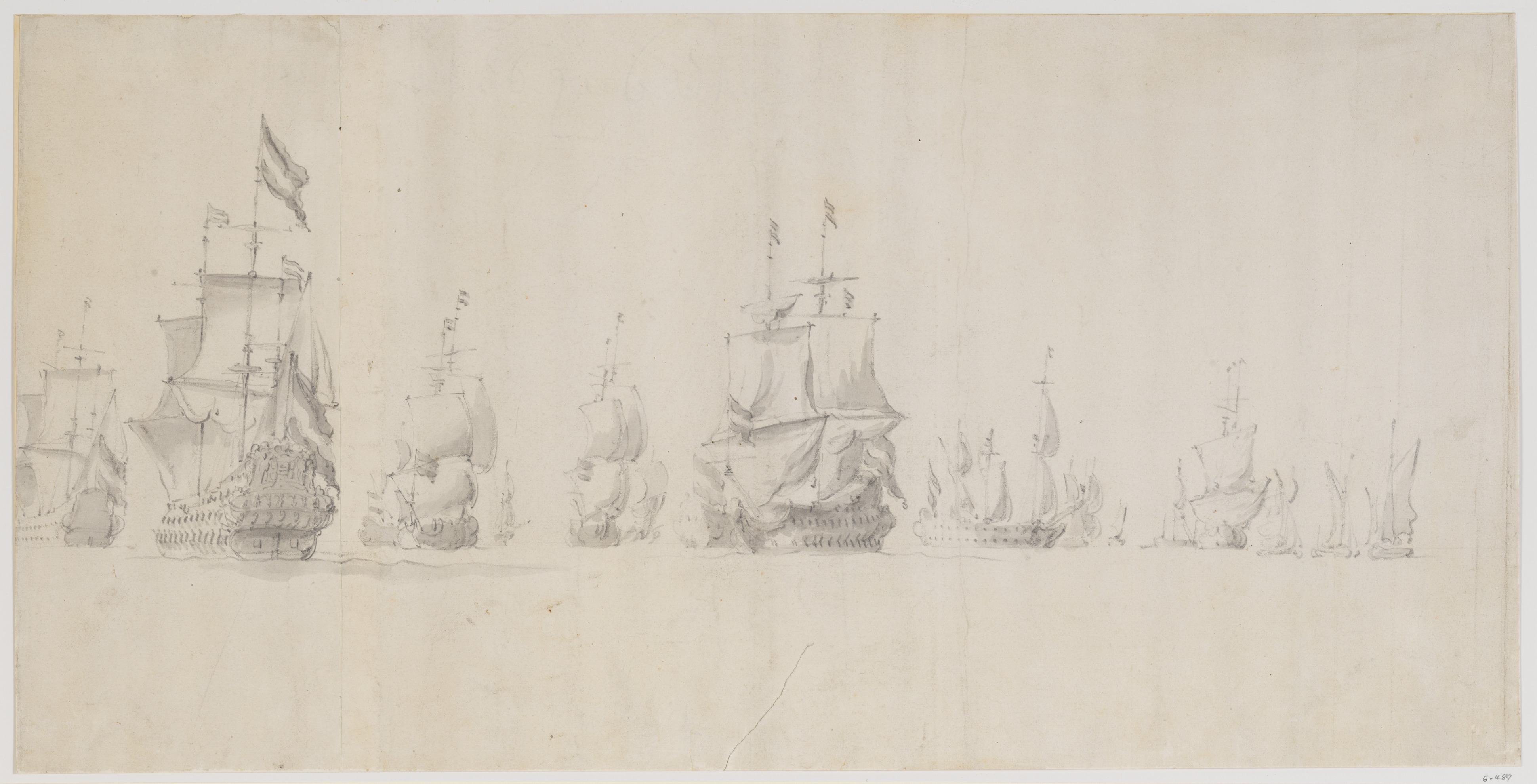
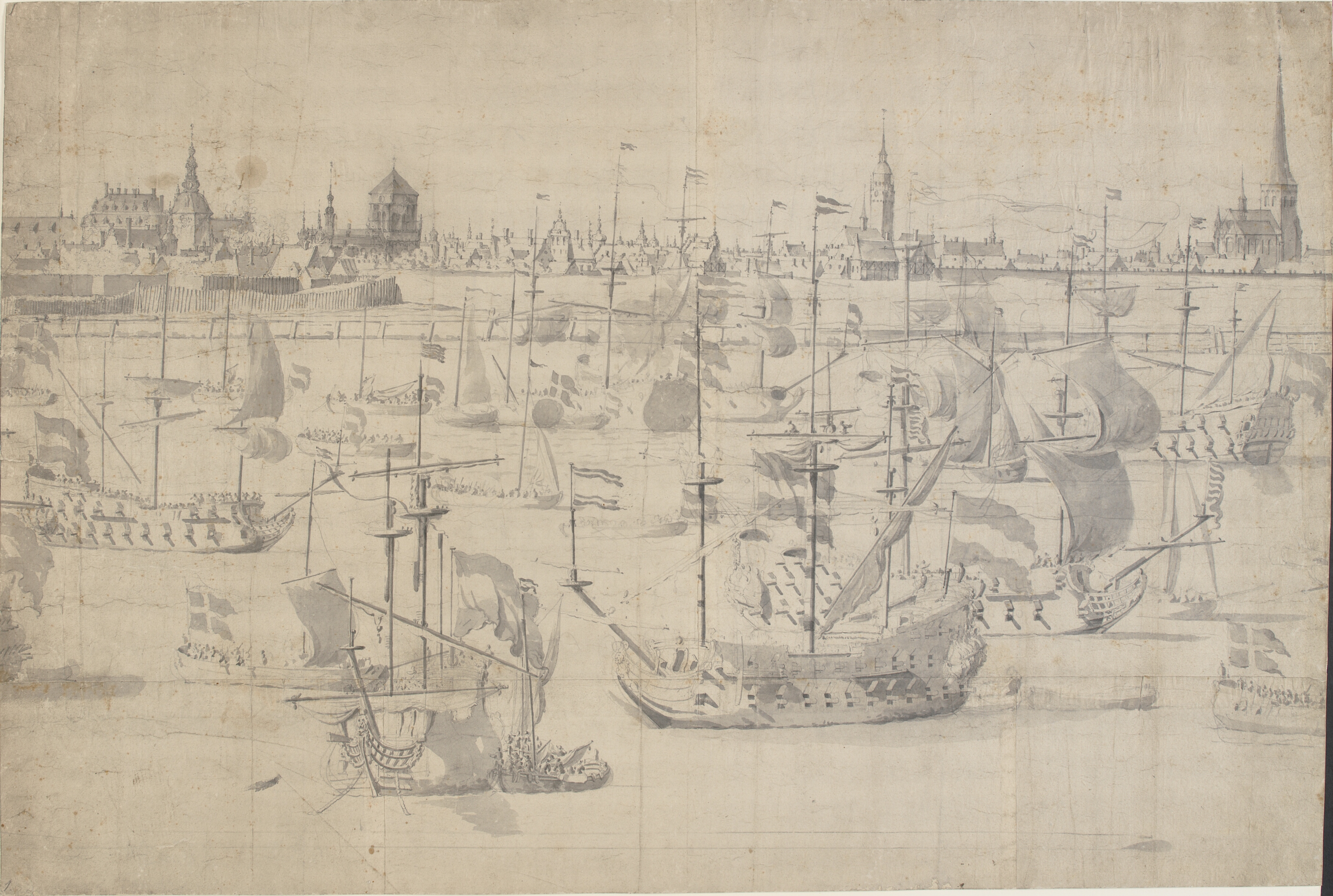
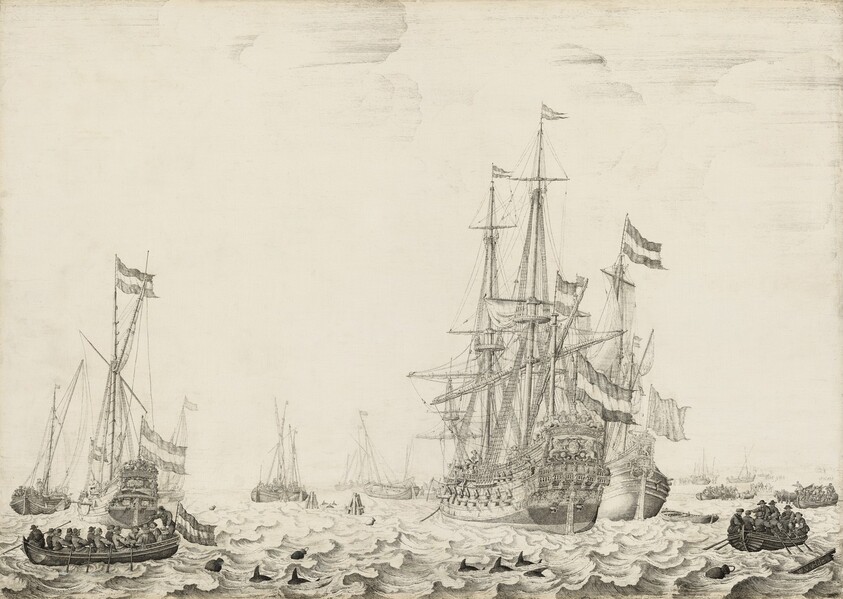
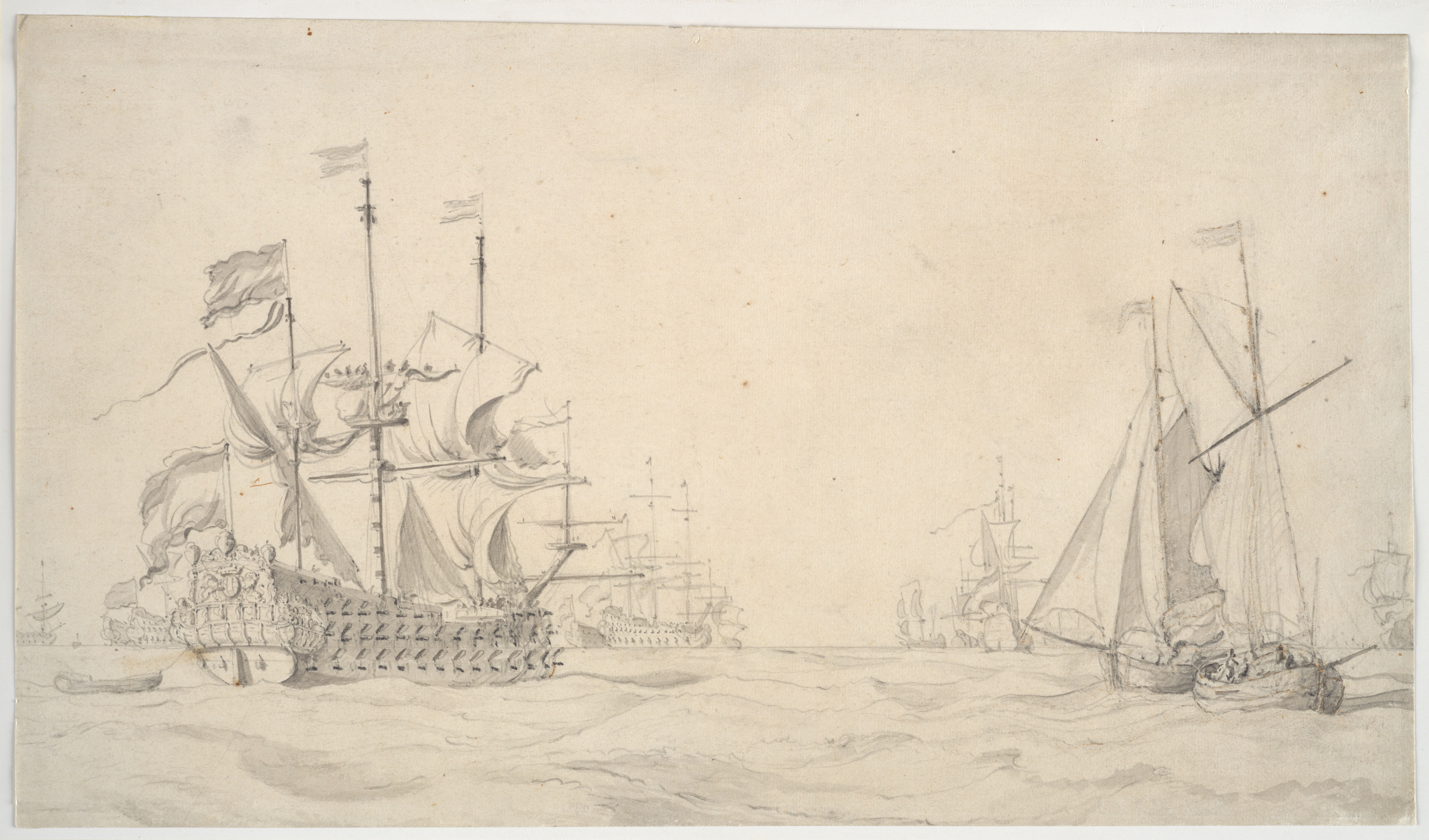
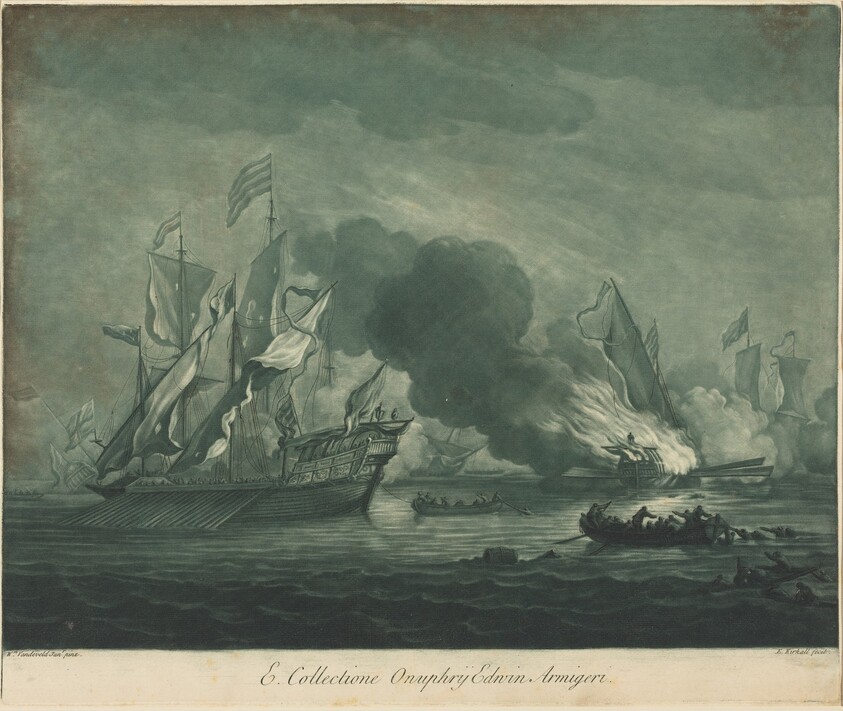
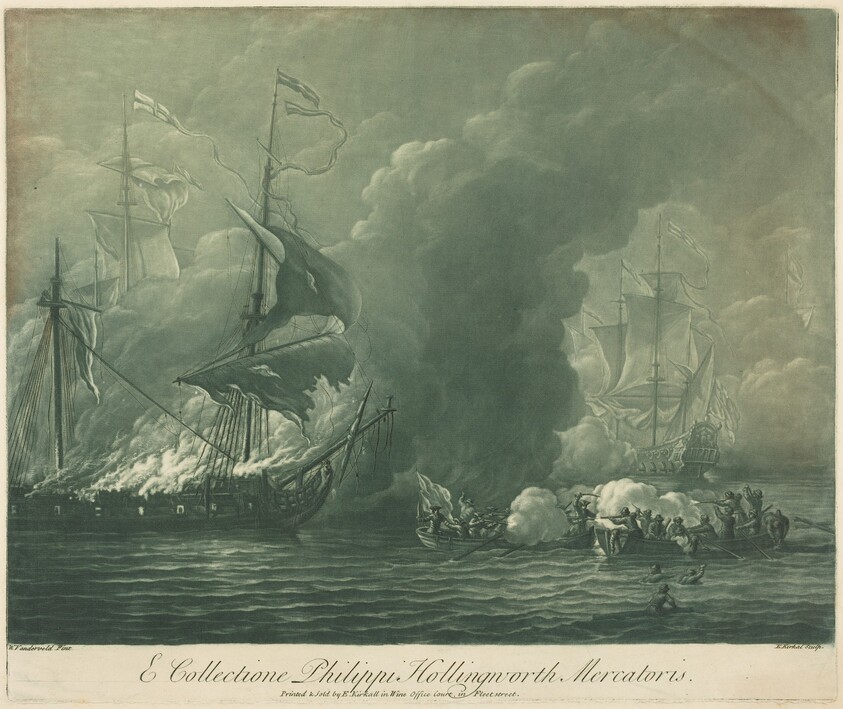
The prosperity of the Dutch Republic depended on its fishing, naval, and merchant fleets, and Dutch painters were the peerless masters of the seascape, developing maritime subjects into a richly diversified artistic genre. Willem van de Velde the Younger and his father, and first teacher, Willem the Elder (1611–1693), worked collaboratively for patrons in the two dominant European maritime nations. In 1672, they left the Netherlands and settled in England, where each received an annual royal stipend, the Elder for “making Draughts of seafights,” and the Younger for “putting the said Draughts into colors.” In addition to painting naval battles from his father’s drawings, Willem the Younger depicted coastal views and shipping under various atmospheric conditions. This work shows an English galliot—a long, narrow, shallow-draft merchant vessel used for coastal navigation—with only its foresail raised in the strong wind. It struggles through the choppy sea beneath an ominous cloud formation that portends deteriorating weather.