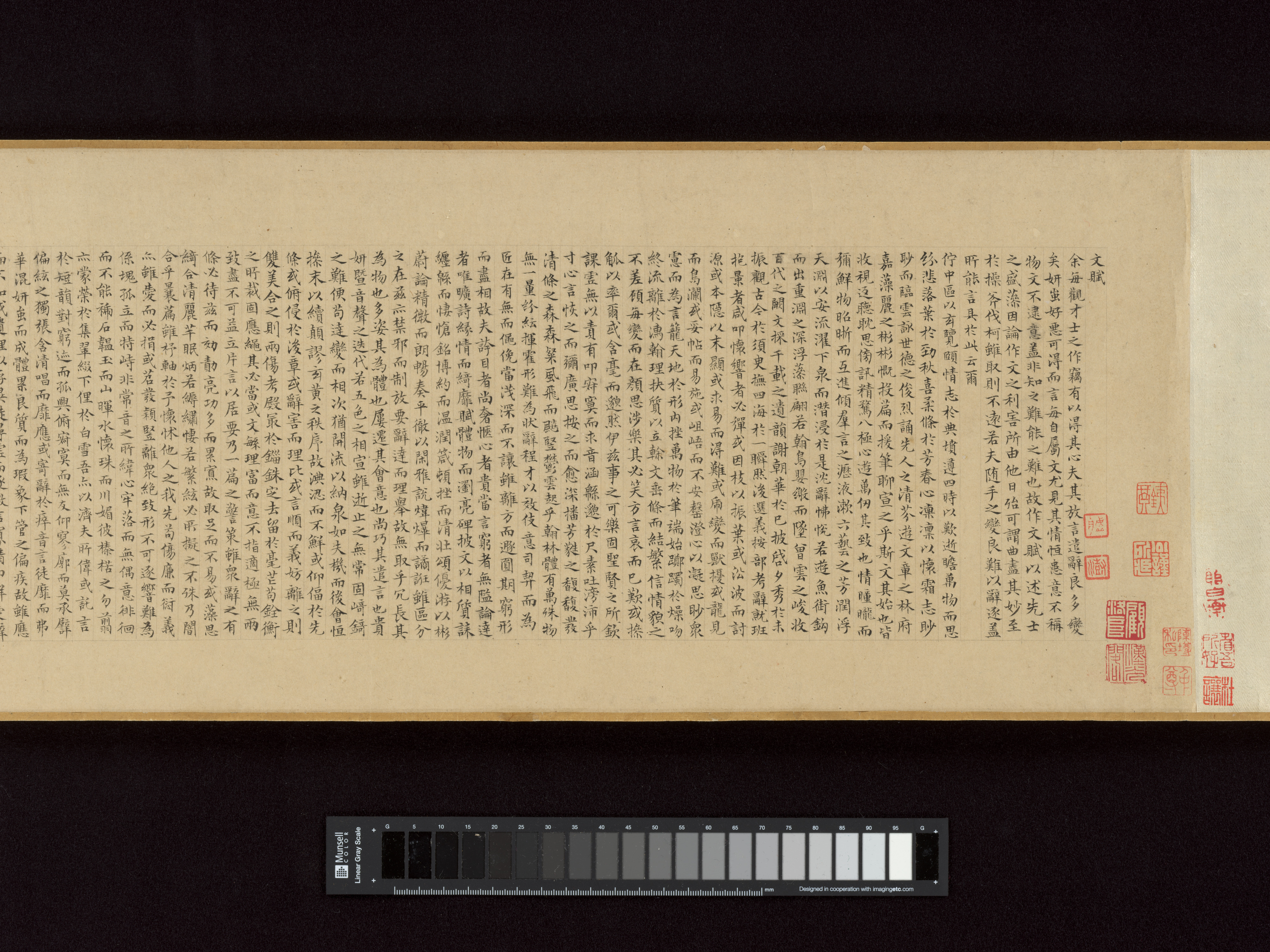
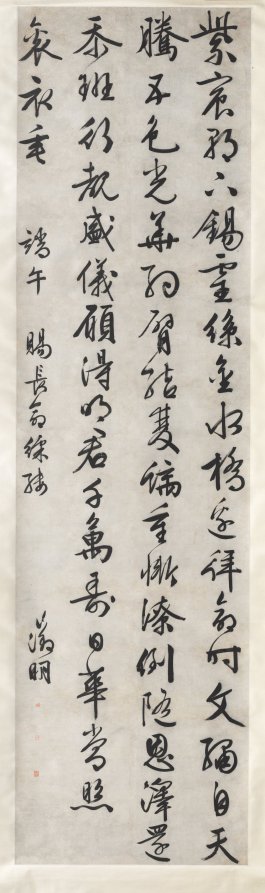
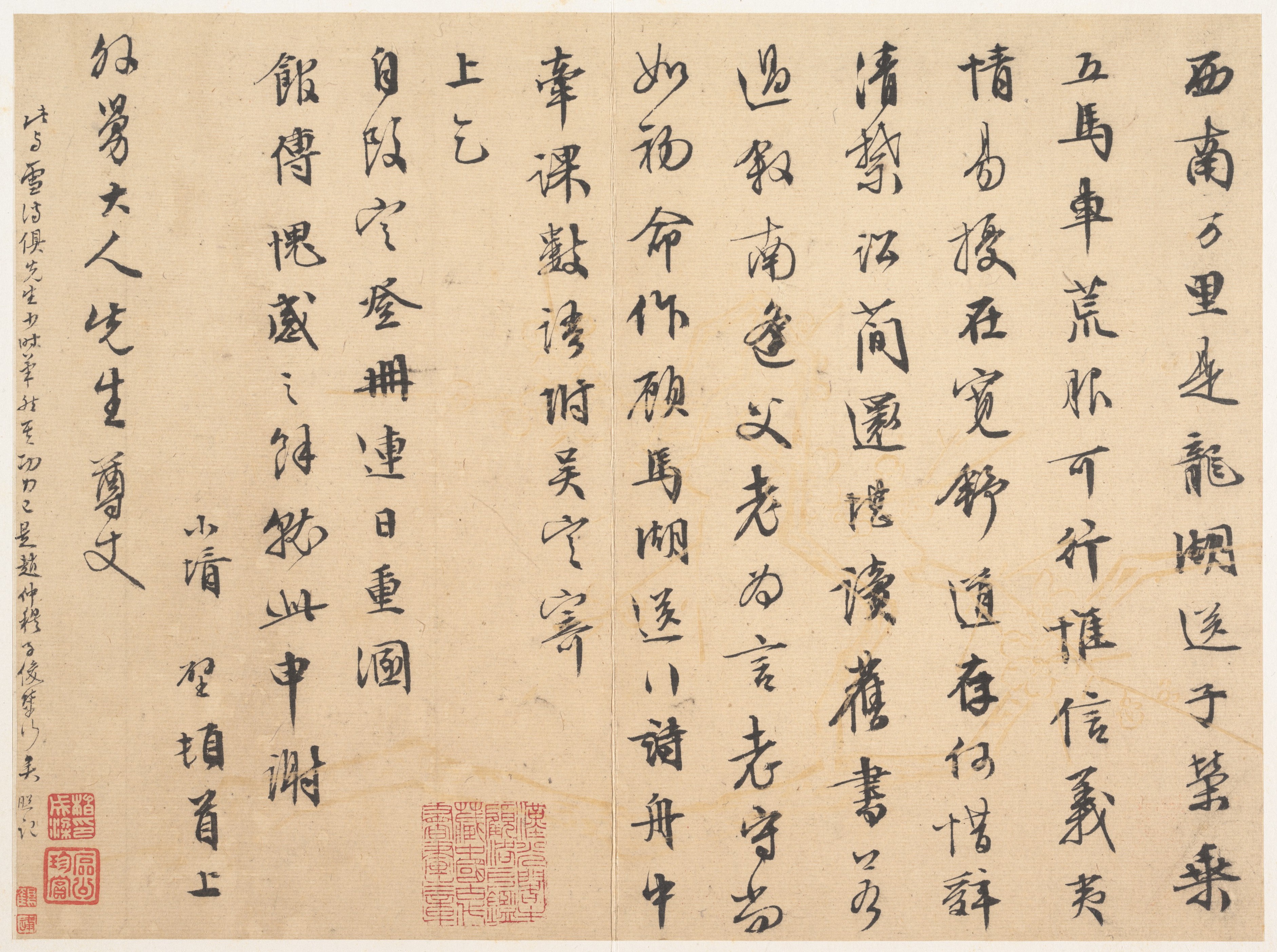
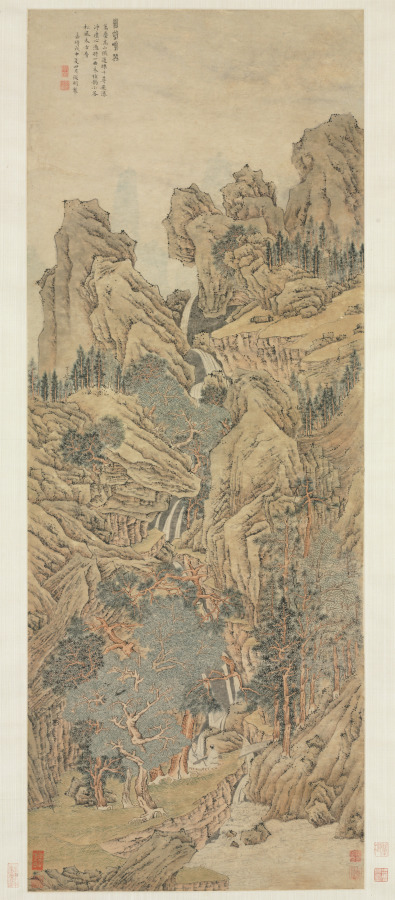
Landscape with Poems
Wen Zhengming
1530–1531
- Medium
- Handscroll; the painting in ink and color on silk, with signature of the artist reading "Jiajing gengyin qiyue siri; Zhengming xie", and with two seals of the artist reading "Zheng" and "Ming"; the calligraphy in ink on paper, with signature of the artist reading "Zhengming", and with two seals of the artist reading "Wen Zheng Ming Yin" and "Heng Shan".
- Dimensions
- painting: H. 28 x W. 211.1 cm (11 x 83 1/8 in.) poem: H. 25.1 x W. 115.6 cm (9 7/8 x 45 1/2 in.) mounting: H. 34.2 cm (13 7/16 in.)
Tags
Chinese
About
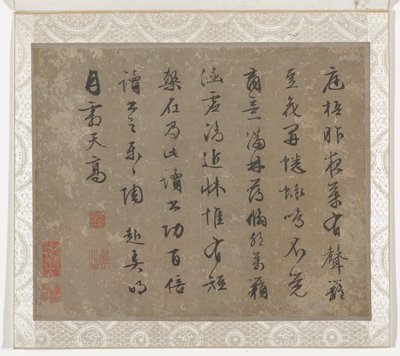
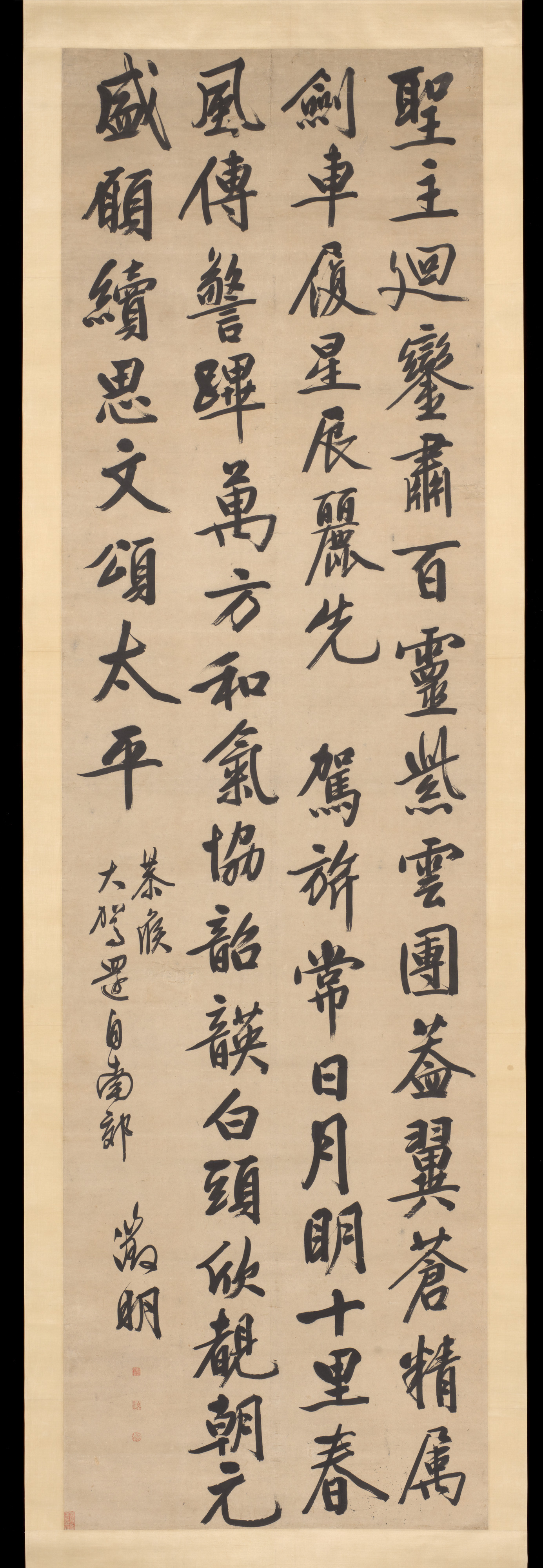
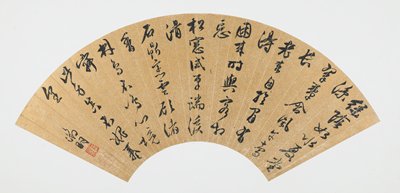
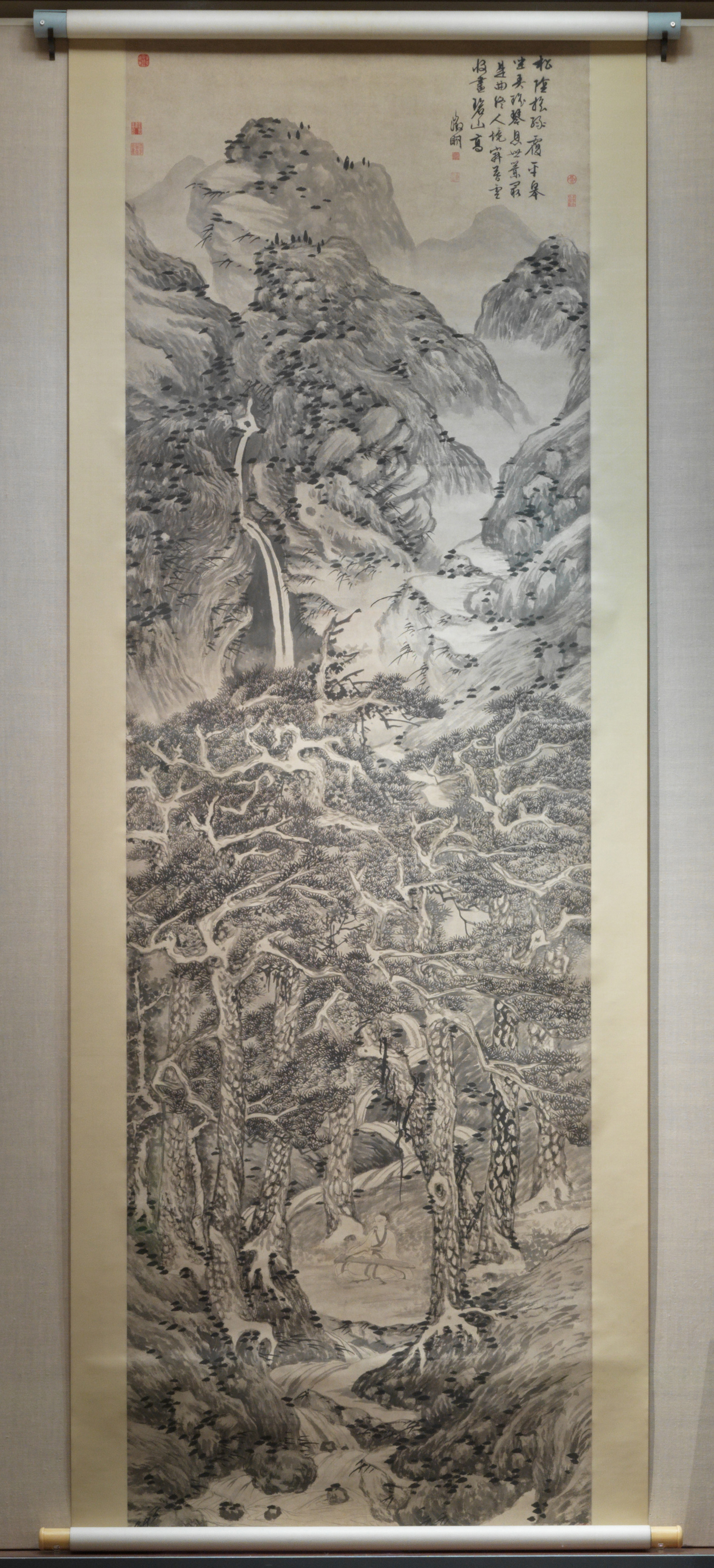
This long handscroll comprises a four-character frontispiece, a landscape painted in ink and color on silk, and a poem written in ink on paper in running script ("xingshu"). Both the painting and poem are signed "Zhengming", indicating that both works were created by the celebrated Ming-dynasty literati painter Wen Zhengming (1470-1559). Executed in the so-called "blue-green" manner (an archaistic mode of painting that evokes the vibrant malachite-blue and azurite-green mineral pigments used by early Chinese painters to color natural scenery), the painting depicts several figures--probably scholars and servants, based on the dress and accoutrements carried--positioned alone or in pairs at various points in the landscape. Figures are shown meandering along mountain a paths, gazing at a waterfall or across calm waters, or quietly meditating while floating on a skiff. The poem that follows the painting was written a year later than the painting, but it makes elegant reference to the landscape imagery that precedes it.