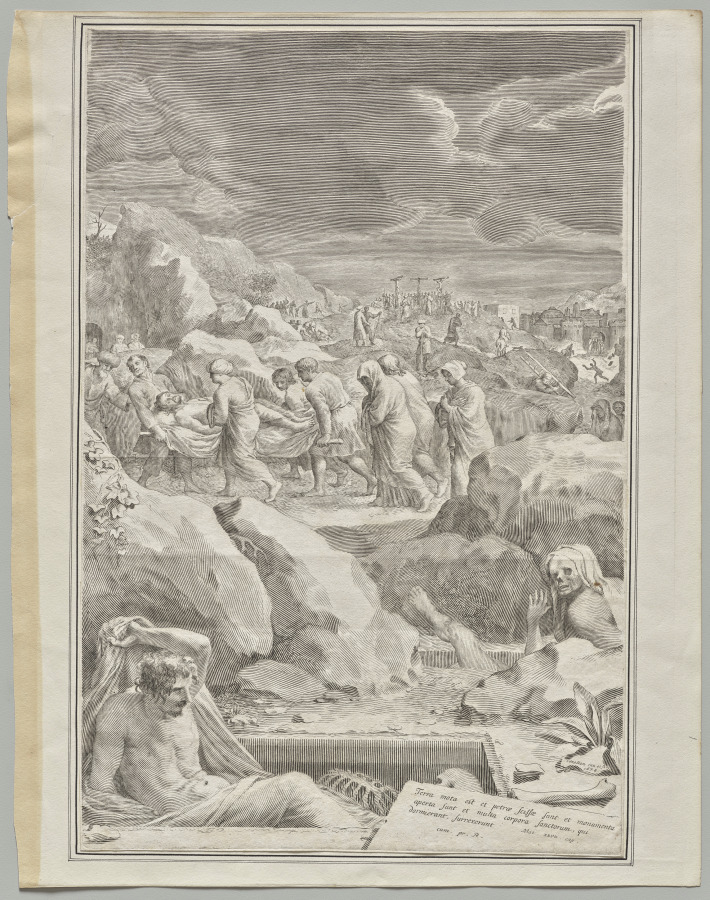
Christ Carried to the Tomb
Claude Mellan
1678
- Medium
- engraving
- Dimensions
- Sheet: 44.1 x 29.2 cm (17 3/8 x 11 1/2 in.); Support: 47 x 37 cm (18 1/2 x 14 9/16 in.); Matted: 55.9 x 40.6 cm (22 x 16 in.)
- Genre
- Museum
- Cleveland Museum of Art
Styles
Tags
france
About
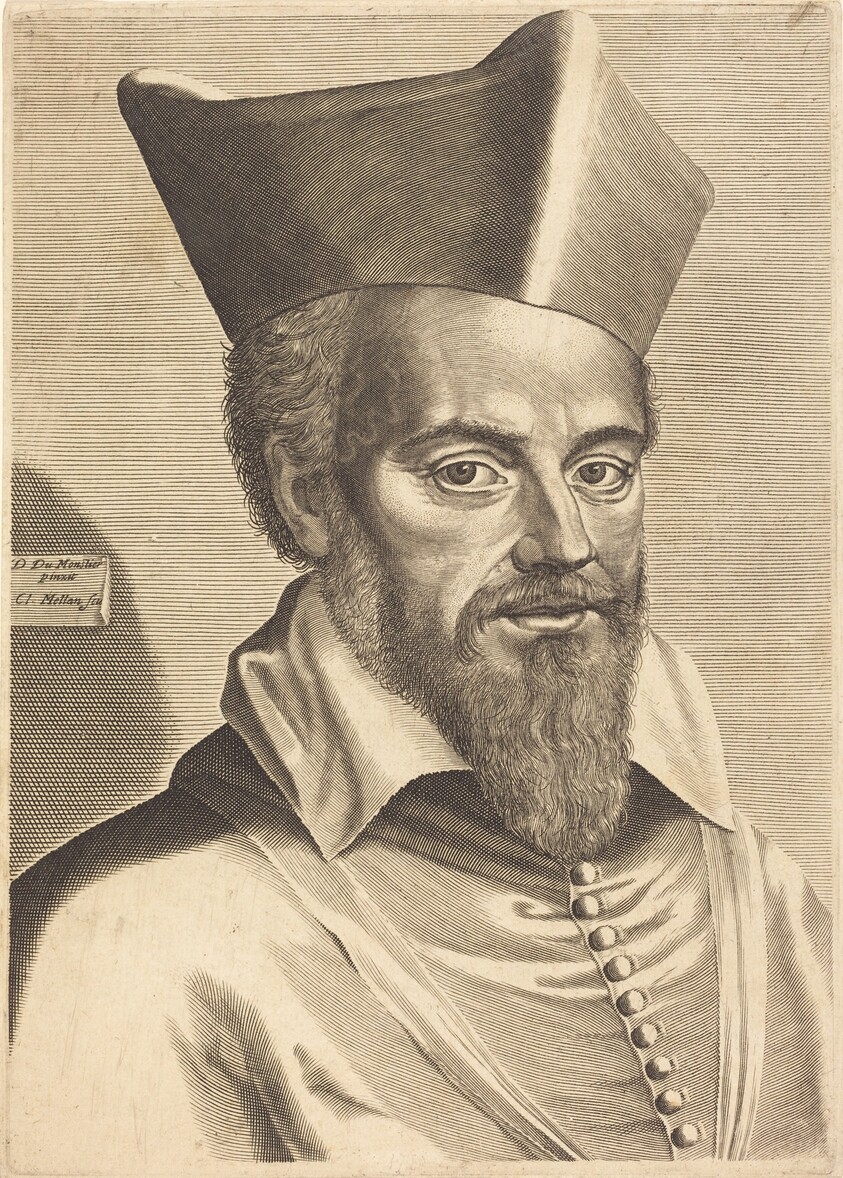
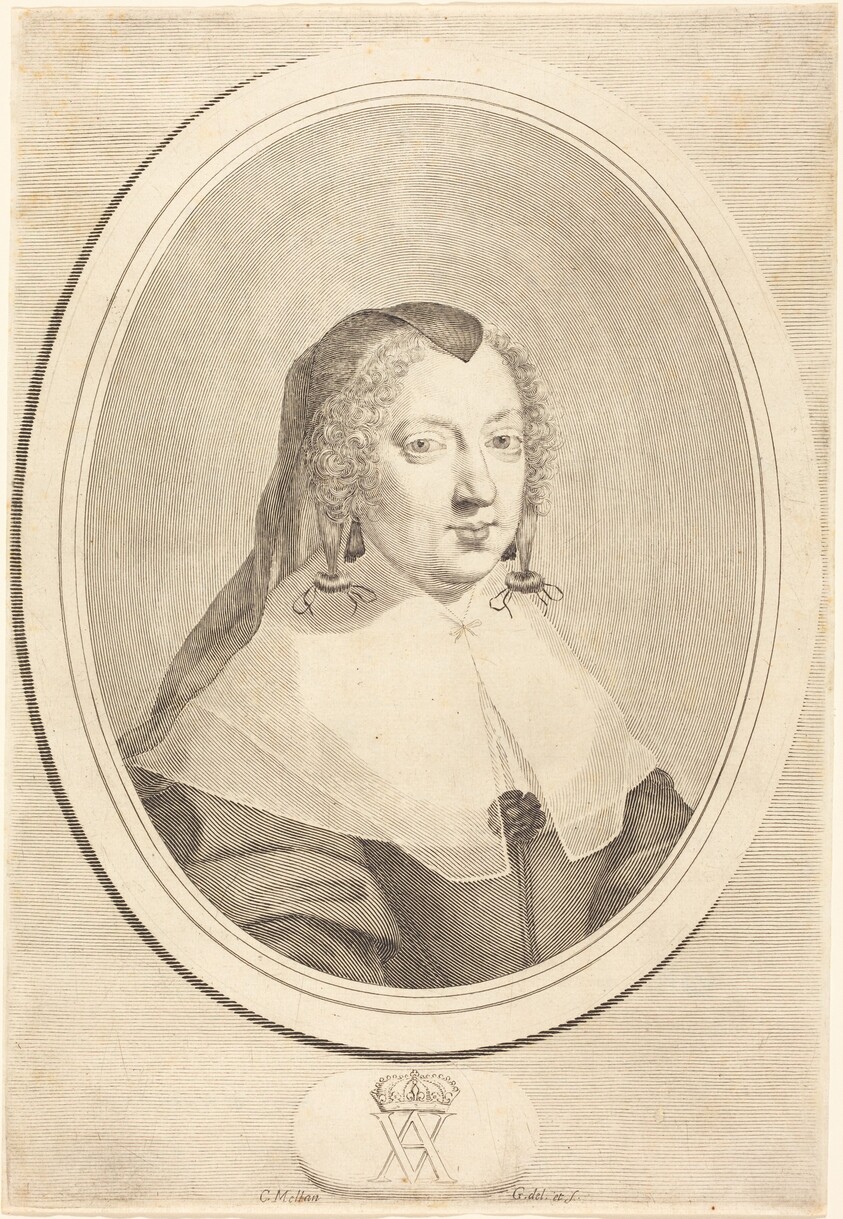
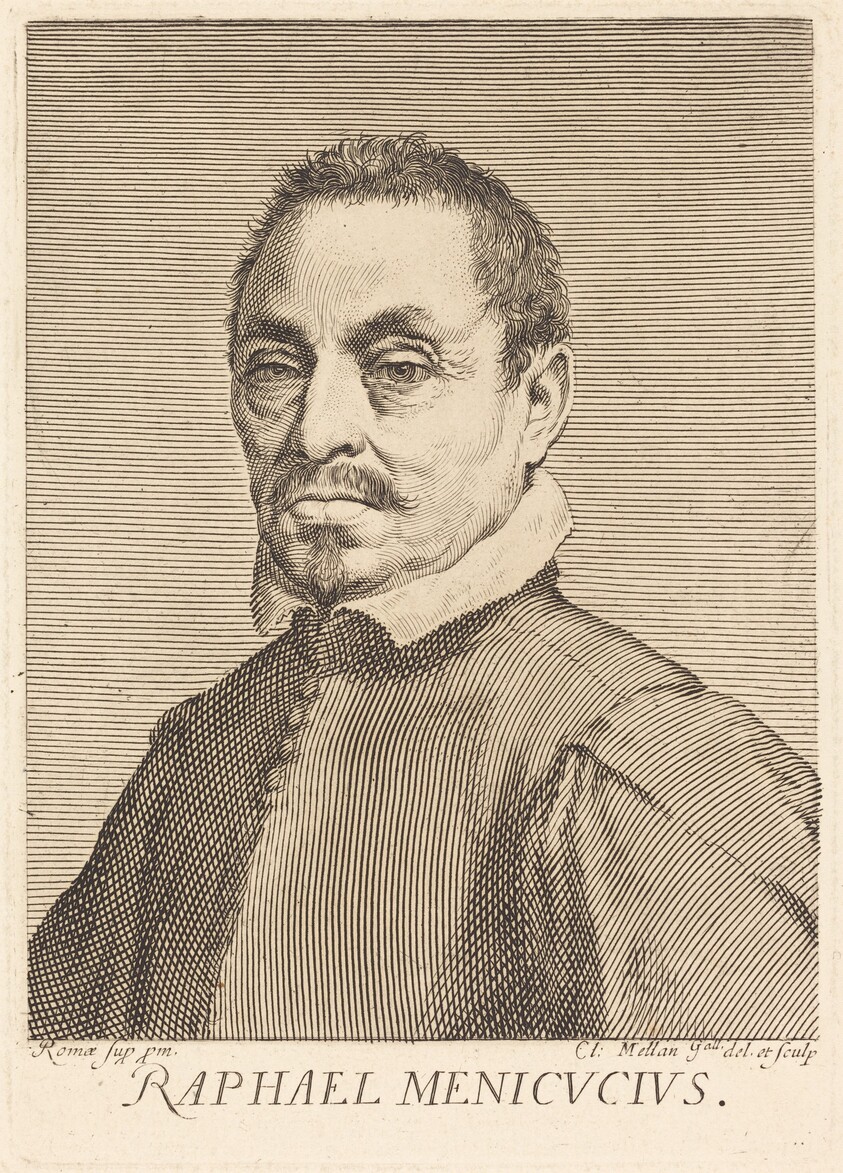
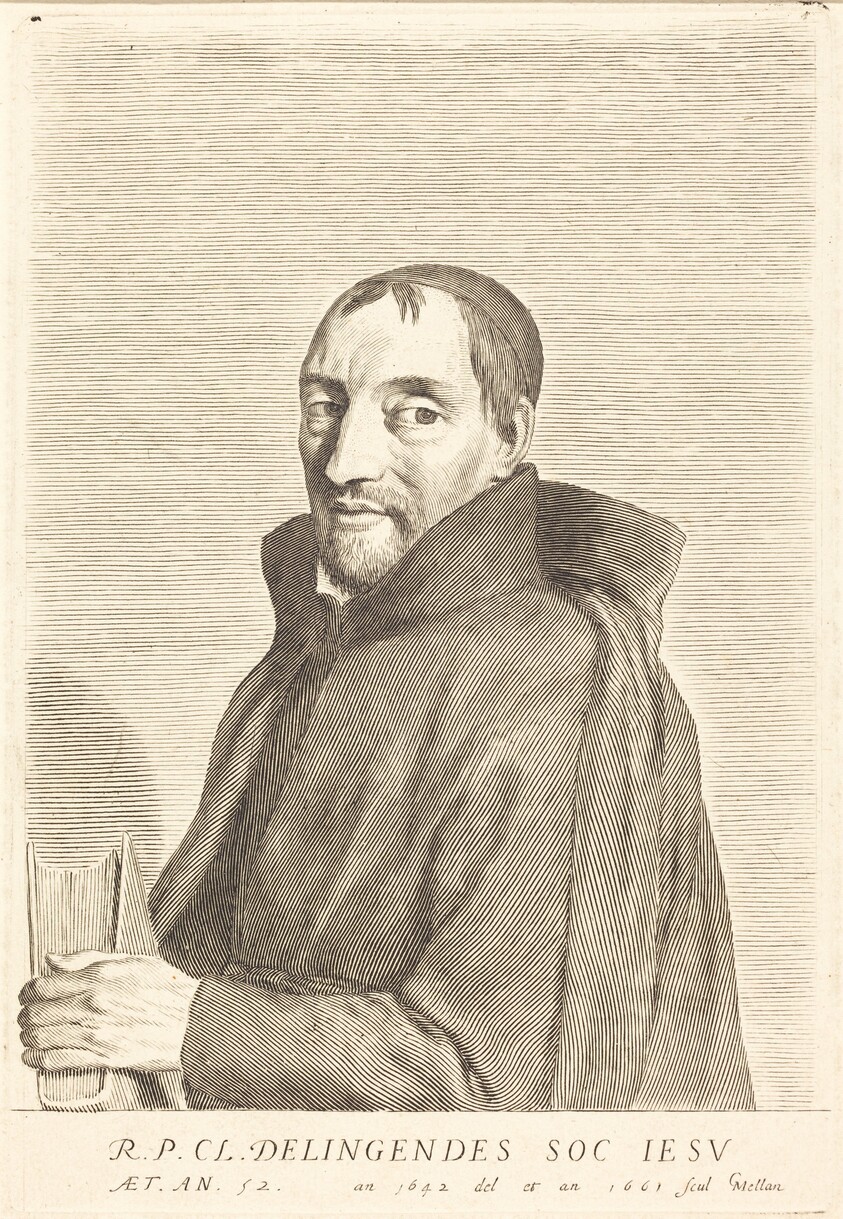
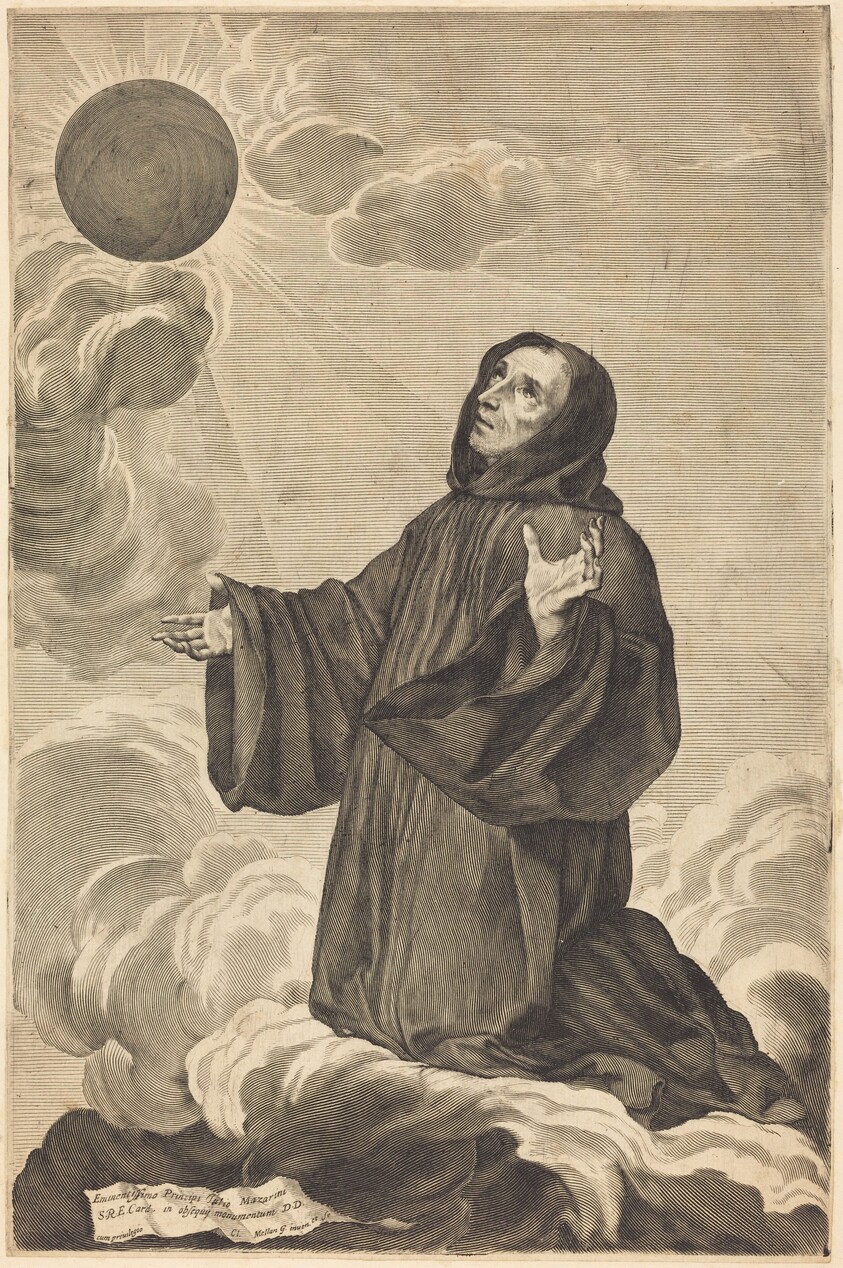
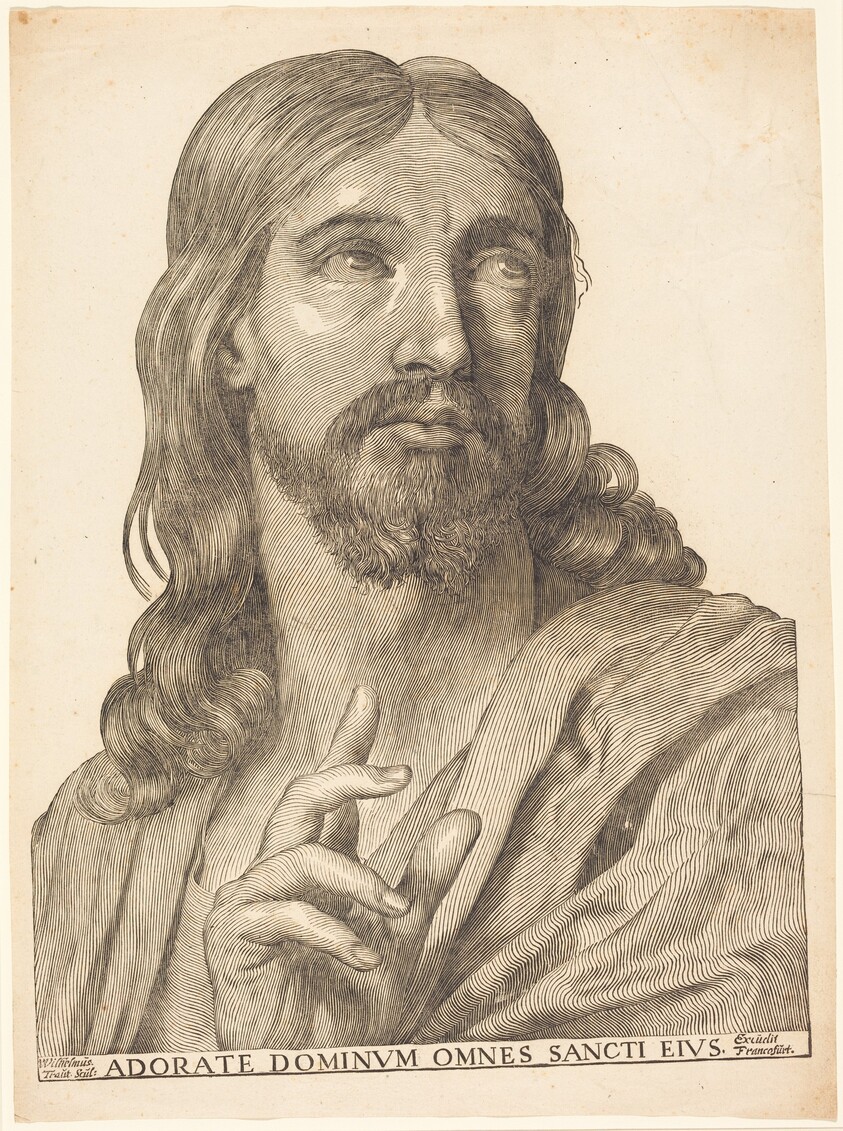
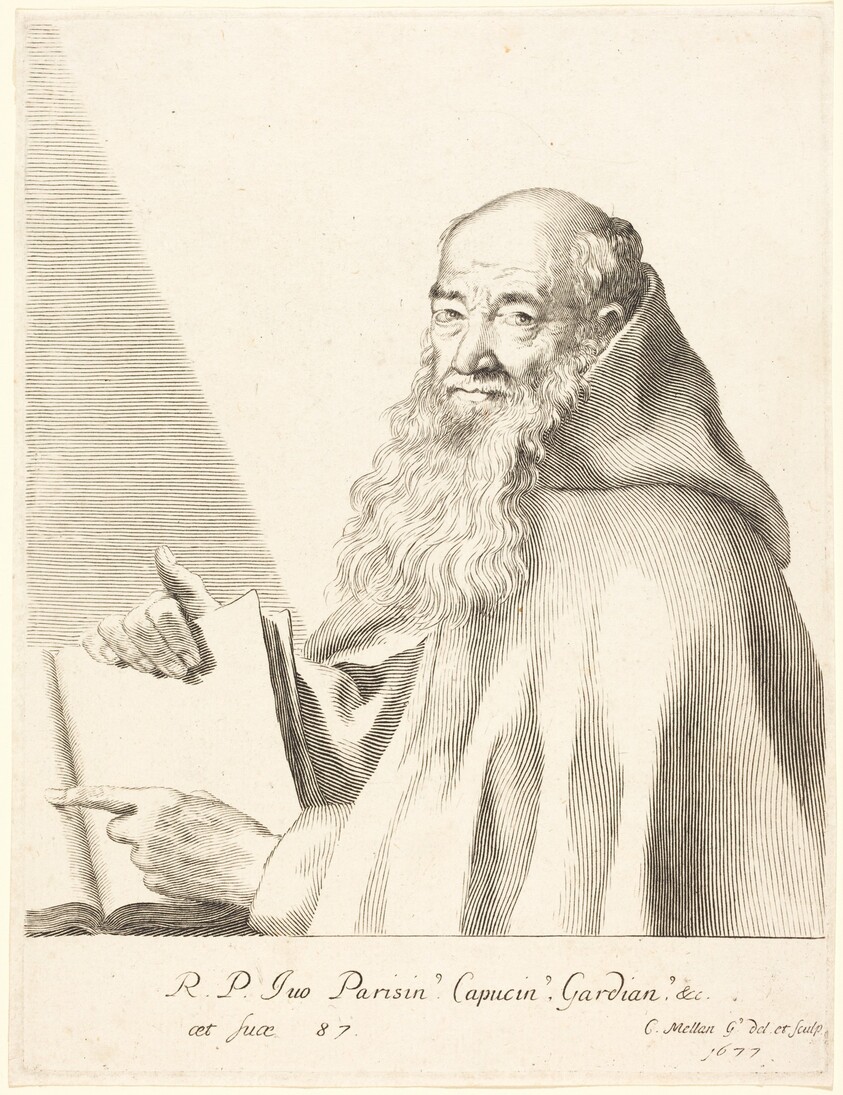
The French engraver Claude Mellan spent time in Rome, where he developed a unique engraving style that uses simplified linear patterns and swelled lines to create optical, almost abstract effects. He created Christ Carried to the Tomb later in his career, when he had fully developed his linear approach to engraving, using swelled lines alone, without the use of crosshatching. The subject of Christ’s burial procession was somewhat unusual among works of the period, and Mellan went further to highlight a lesser-known passage from the biblical book of Matthew in the foreground that describes the resurrection of saints after Christ’s death on the cross. This rather obscure subject matter aligned with Mellan’s emphasis, throughout his career, on presenting engravings that offered something unique and extraordinary to his audience of collectors.