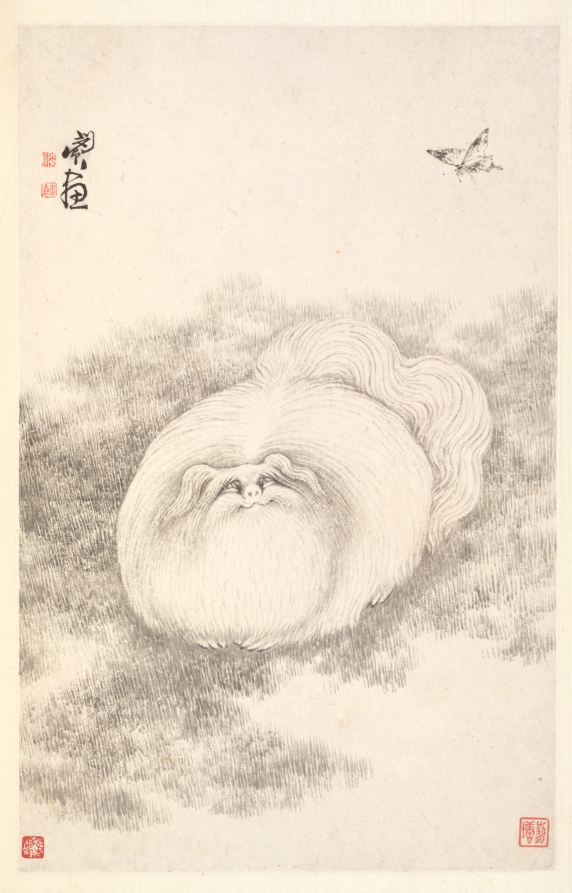
Cat and Butterfly
Min Zhen
1788
- Medium
- album leaf, ink on paper
- Dimensions
- Sheet: 29 x 18.4 cm (11 7/16 x 7 1/4 in.)
- Genre
- Paintings
- Museum
- Cleveland Museum of Art
Styles
Tags
China, Qing dynasty (1644-1911)
About
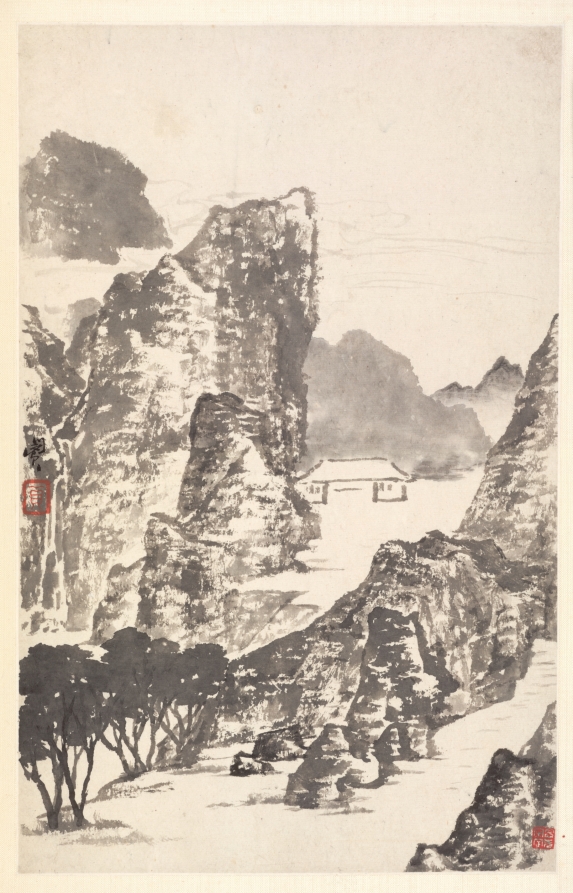
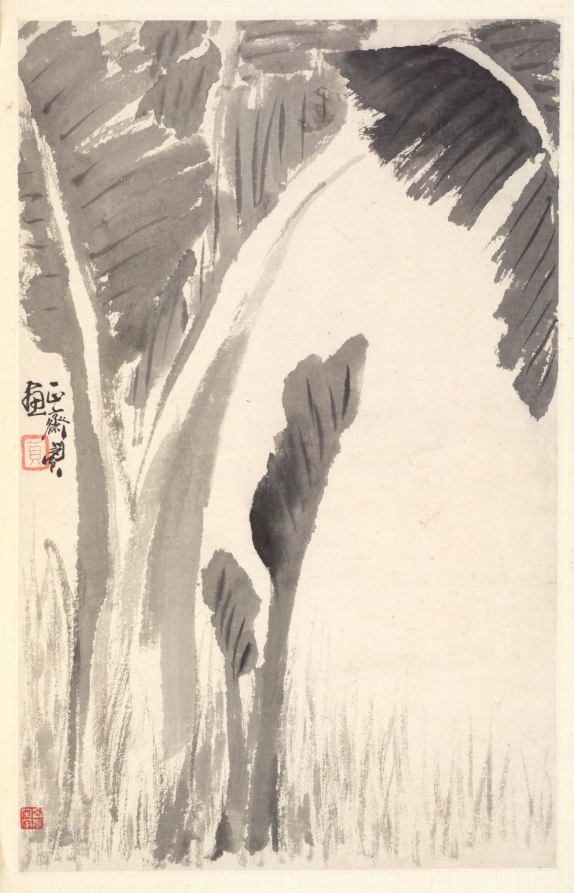
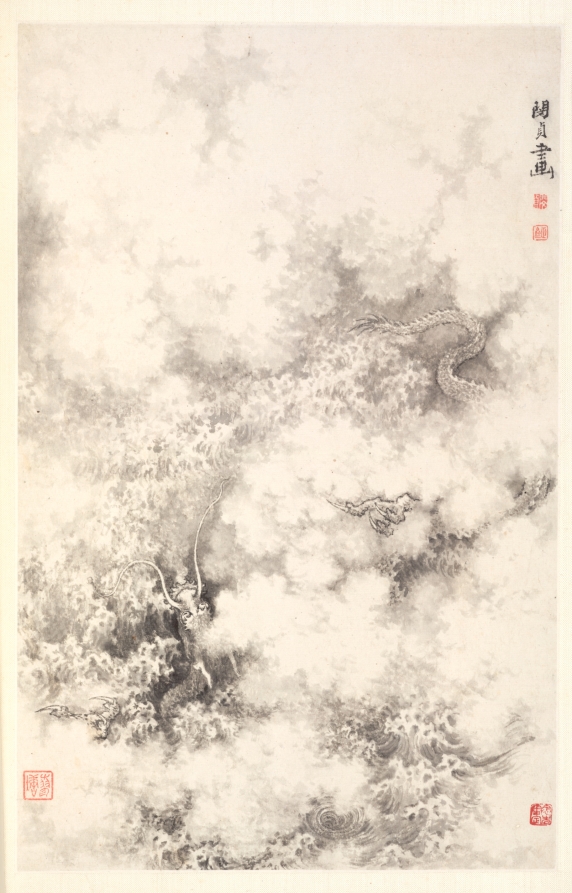
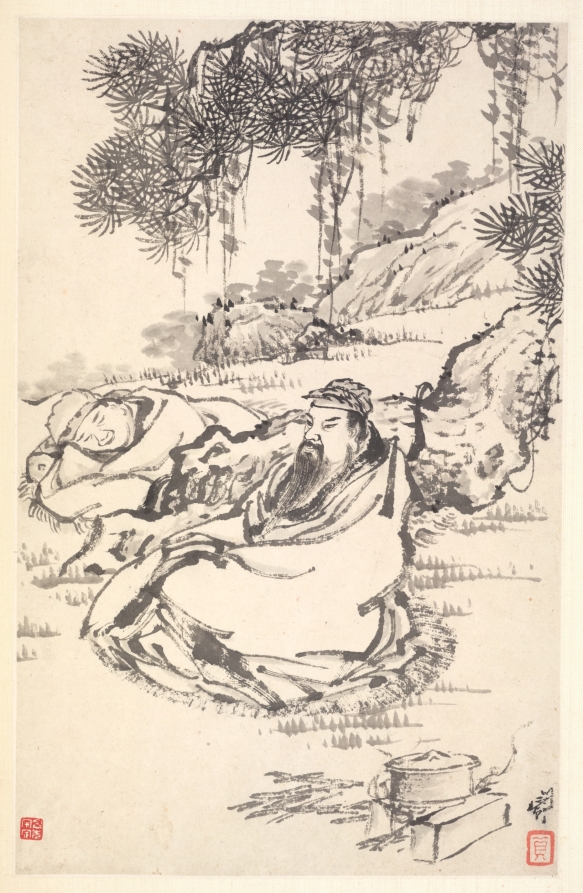
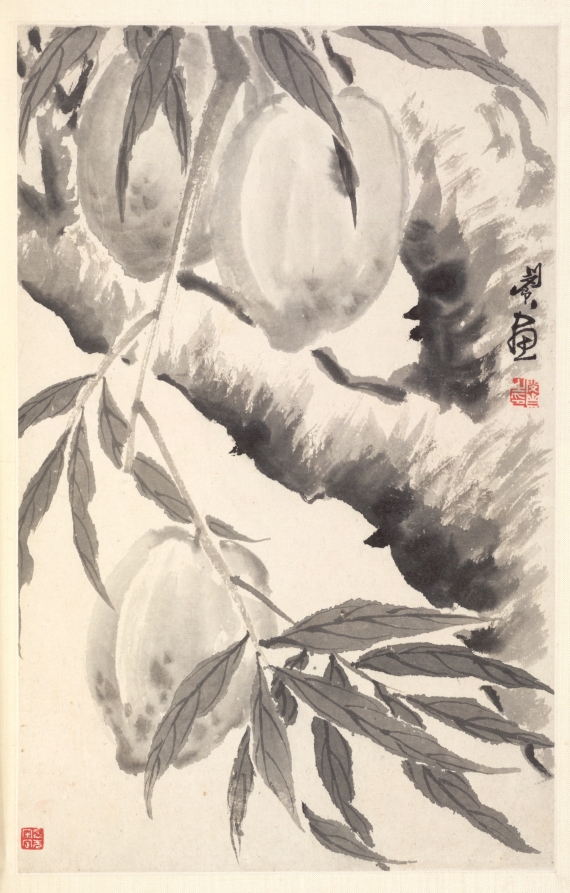
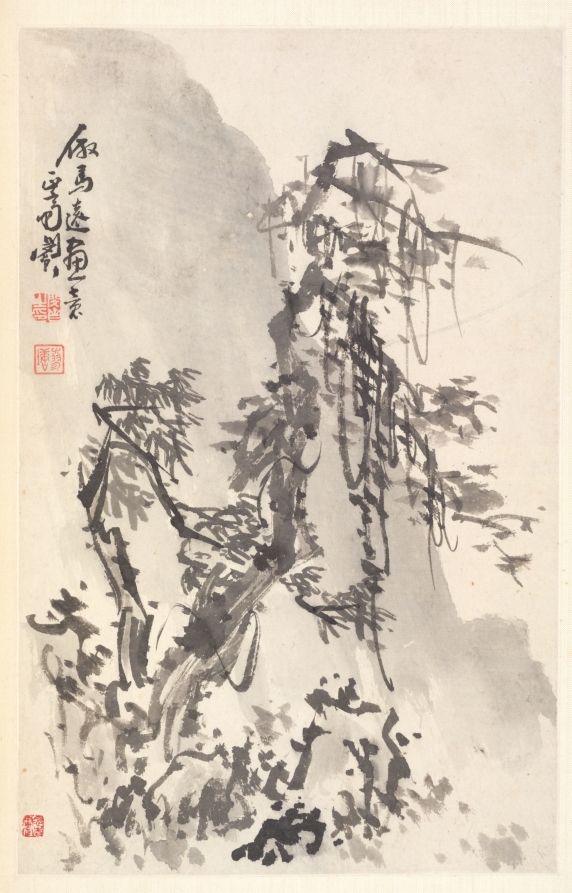
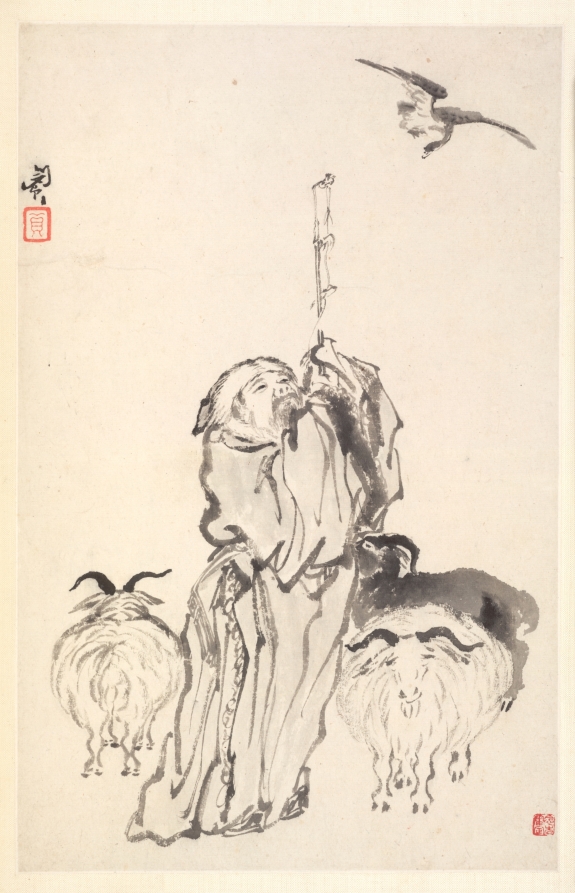
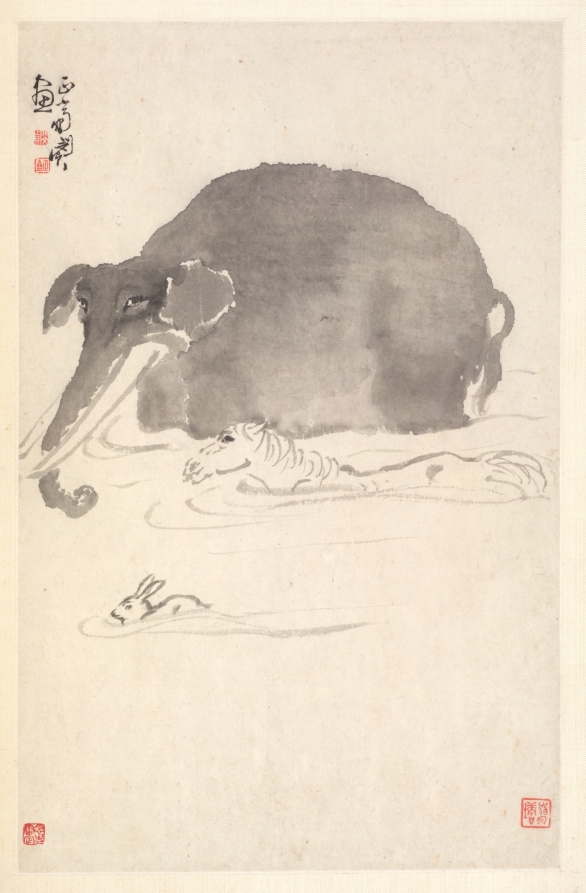
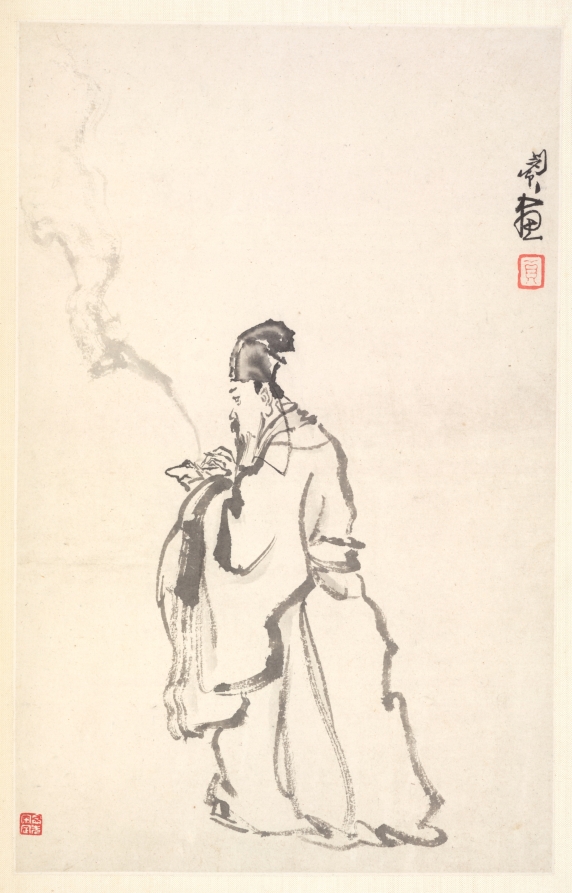
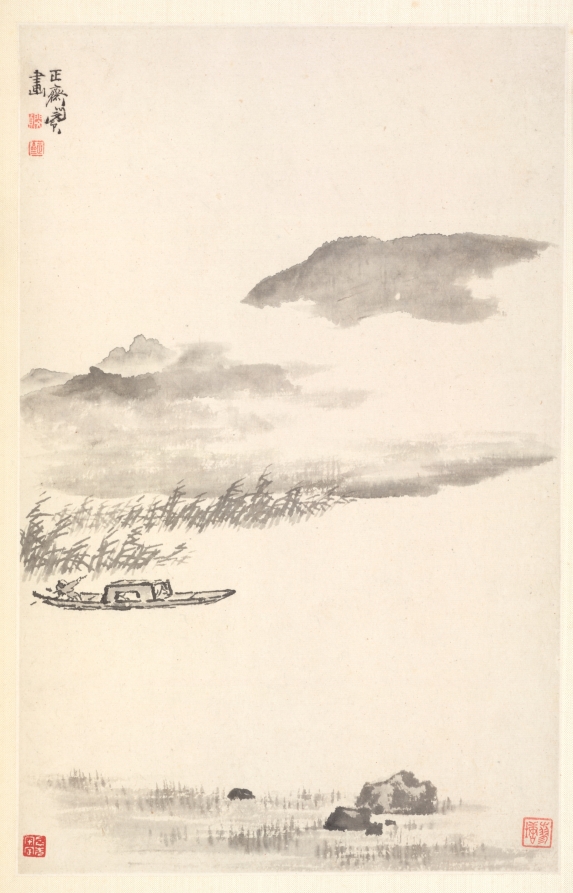
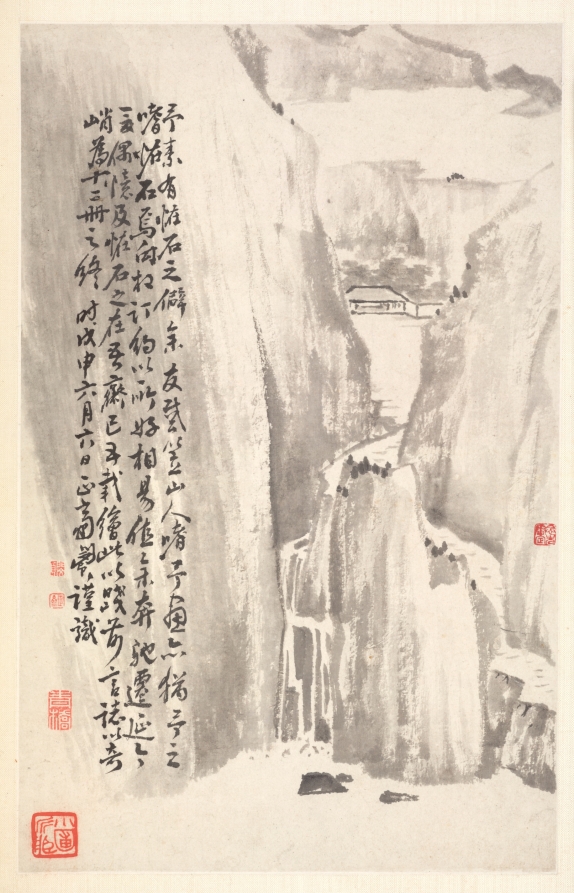
Min Zhen, who was orphaned at age 12 and developed an eccentric personality, was trained by Tang Yin (1682–1756), a writer, playwright, and superintendent of the imperial porcelain workshops in Jingdezhen. The connection to him may have enabled Min to stay in Beijing for a decade from around 1773. It is not clear whether he ever resided in Yangzhou, but his style is in many instances reminiscent of that of Yangzhou artist Huang Shen. The album was painted for his friend Dailili Shanren in exchange for a scholar’s stone. The paintings demonstrate the artist’s versatility and mature style in the last years of his life. While two leaves are rendered in unconventional compositions seen from above (Cat and Butterfly CMA 1985.71.5 [https://www.clevelandart.org/art/1985.71.5]) and below (Banana Plant CMA 1985.71.11 [https://www.clevelandart.org/art/1985.71.11]), they have a humorous touch. “Cat and butterfly” is a homophone for the Chinese characters “mao die,” meaning “octogenarian,” and express the wish for the recipient’s longevity. The banana plant stands for the world of literati but can also allude to Buddhism.