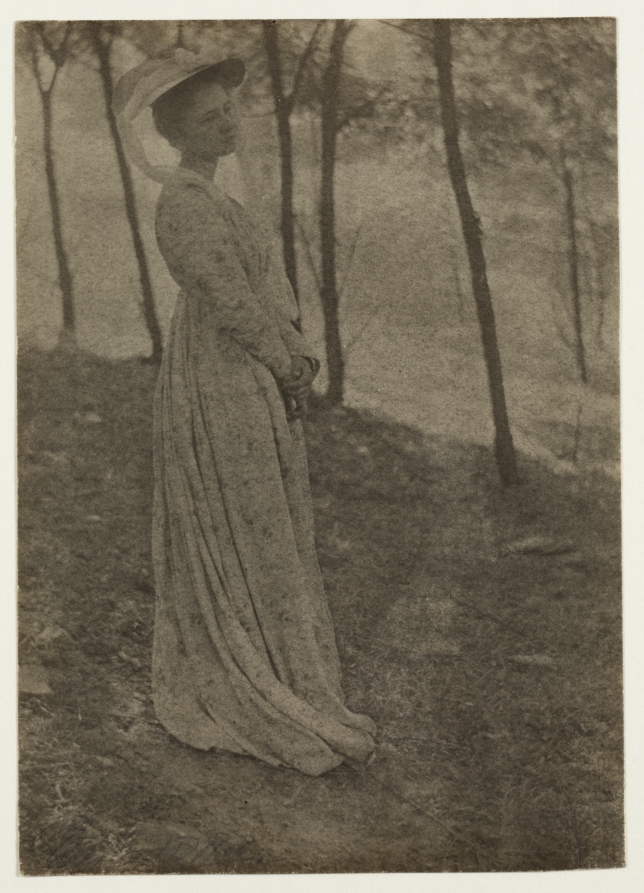
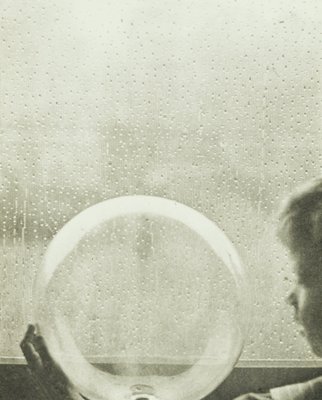
Julia Hall McCune
Clarence H. White
1892–1902
- Medium
- platinum print with pencil
- Dimensions
- Image: 20.6 x 14.6 cm (8 1/8 x 5 3/4 in.); Matted: 45.7 x 35.6 cm (18 x 14 in.); Framed: 30.5 x 35.6 cm (12 x 14 in.)
- Genre
- Photographs
- Museum
- Cleveland Museum of Art
Tags
America
About
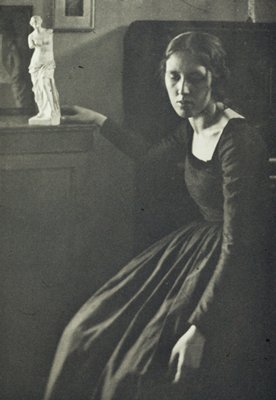
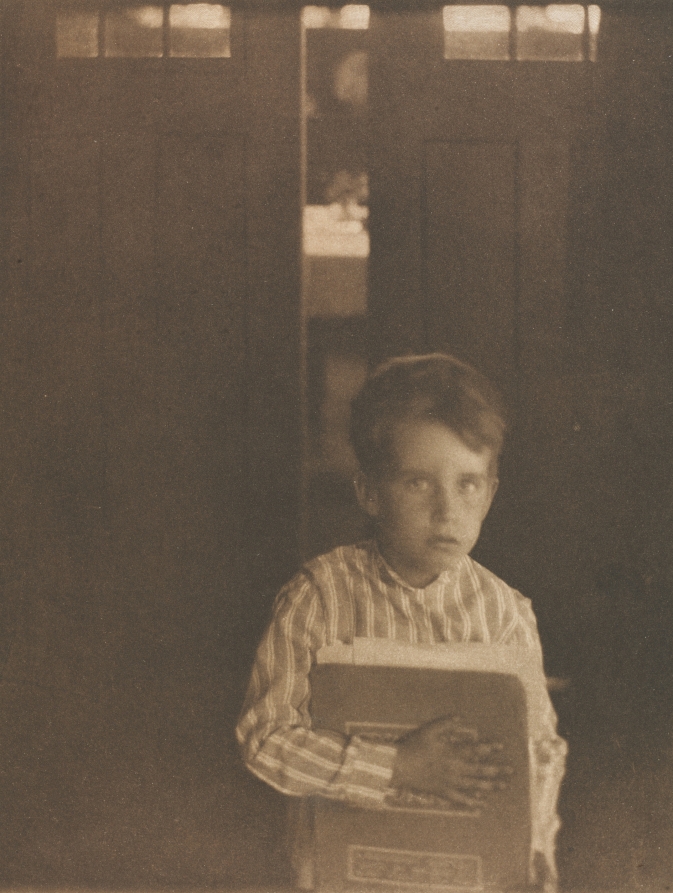
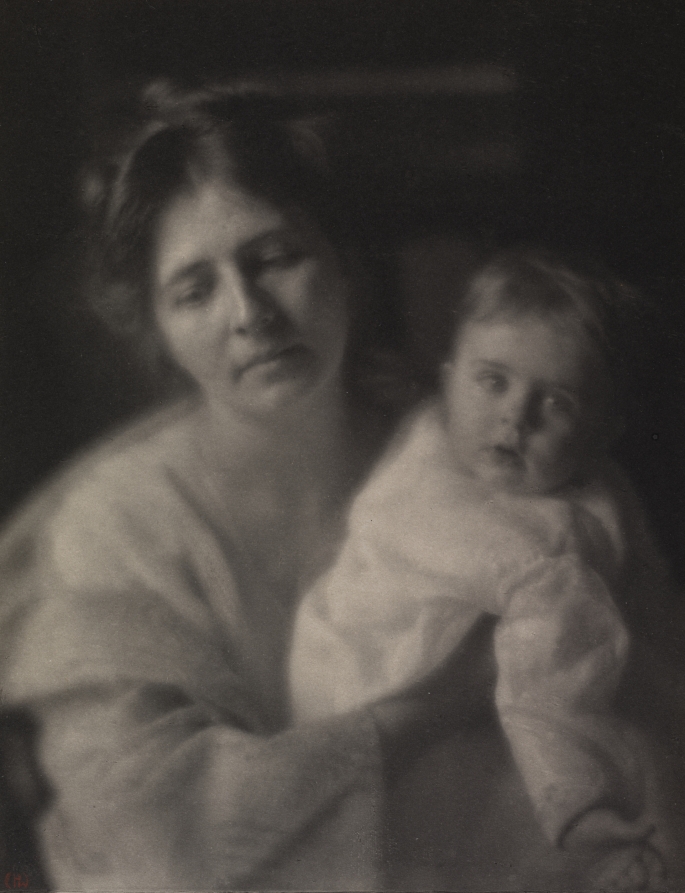
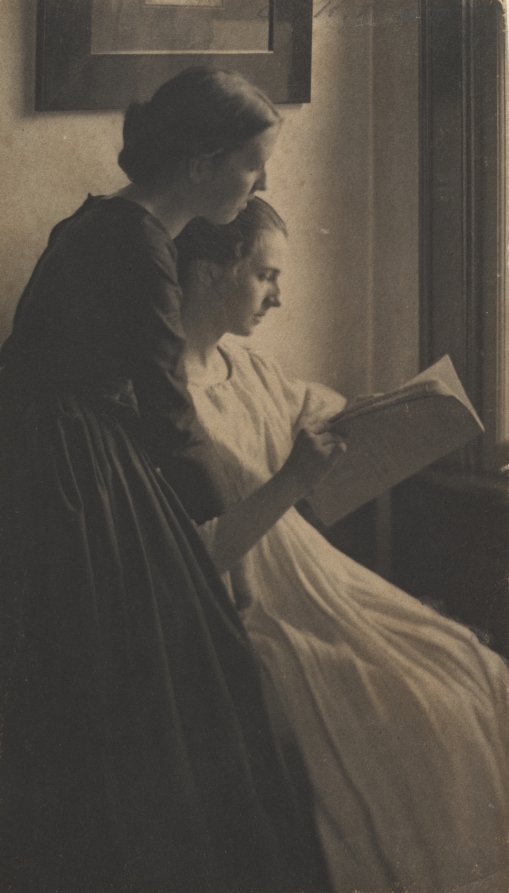
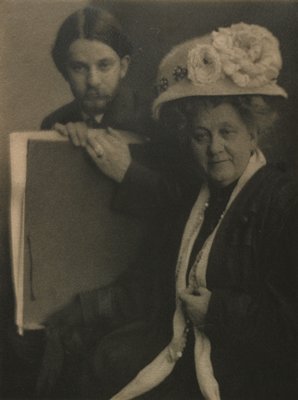
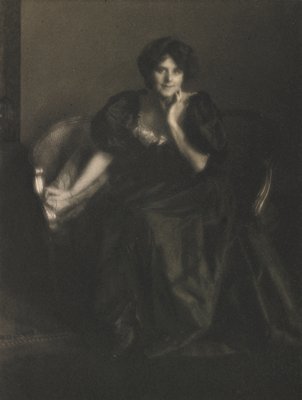
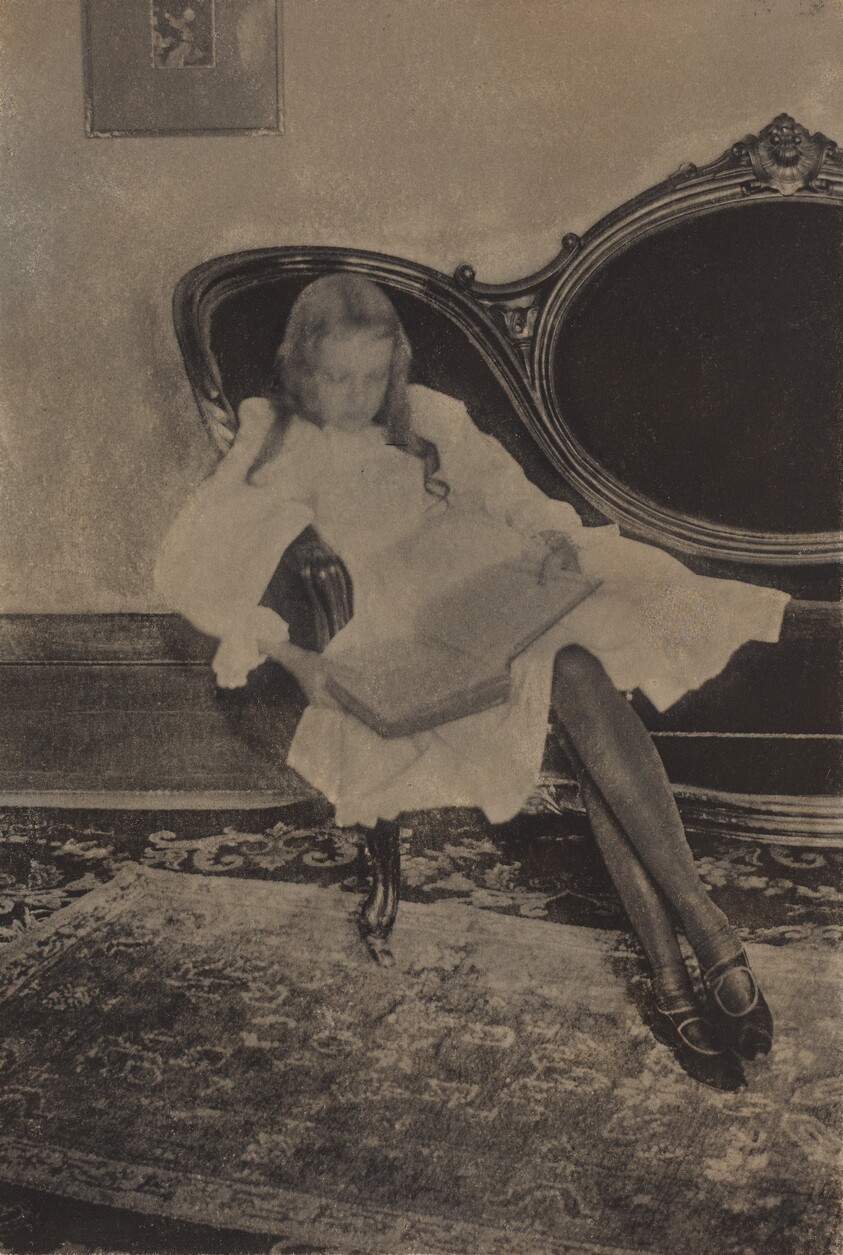
Clarence H. White experimented with an array of artistic media that blurred the lines between photography, drawing, and printmaking. Here are two examples of that experimentation: a platinum print on the left and a photogravure on the right. White was likely drawn to both processes for their broad tonal range and interaction of image and paper. To create platinum prints, a light-sensitive liquid emulsion is applied to and absorbed by the paper. The image forms within the paper’s fibers, resulting in a matte appearance. Because photogravures are printed like an etching, the image is formed with ink impressed onto the paper’s surface.
![[Young Woman in Pigtails with Shawl Around Her Shoulders]](https://media.getty.edu/iiif/image/96be495d-7de1-426d-bdf6-d13392f8aa23/full/843,/0/default.jpg)

![[Portrait of a Woman in Hat Holding a Wrap]](https://media.getty.edu/iiif/image/8af4aa87-c373-46c7-aa6c-89a39a08c5a1/full/843,/0/default.jpg)
![[Edge of the Woods -- Evening]](https://media.getty.edu/iiif/image/502f5c4b-944b-4381-88d4-3f693fa6cec3/full/843,/0/default.jpg)