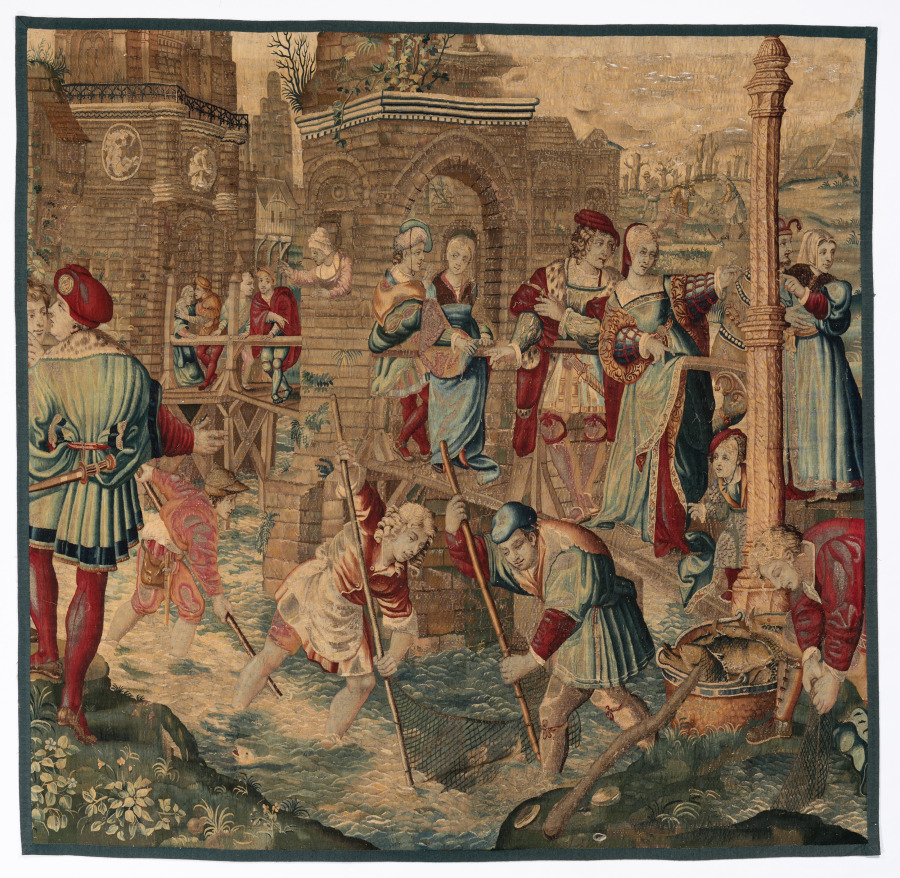
Four Seasons
Gobelins Manufactory
1530–1700
- Medium
- Wool, silk, and gold filé; tapestry weave
- Dimensions
- Average: 256.5 x 264.2 cm (101 x 104 in.)
- Genre
- Tapestry
- Museum
- Cleveland Museum of Art
Styles
Tags
france
About
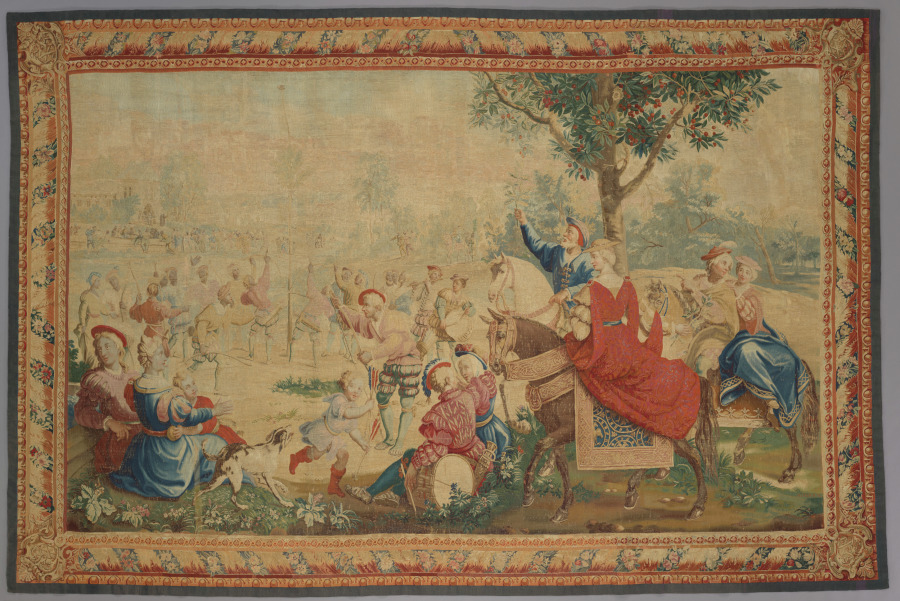
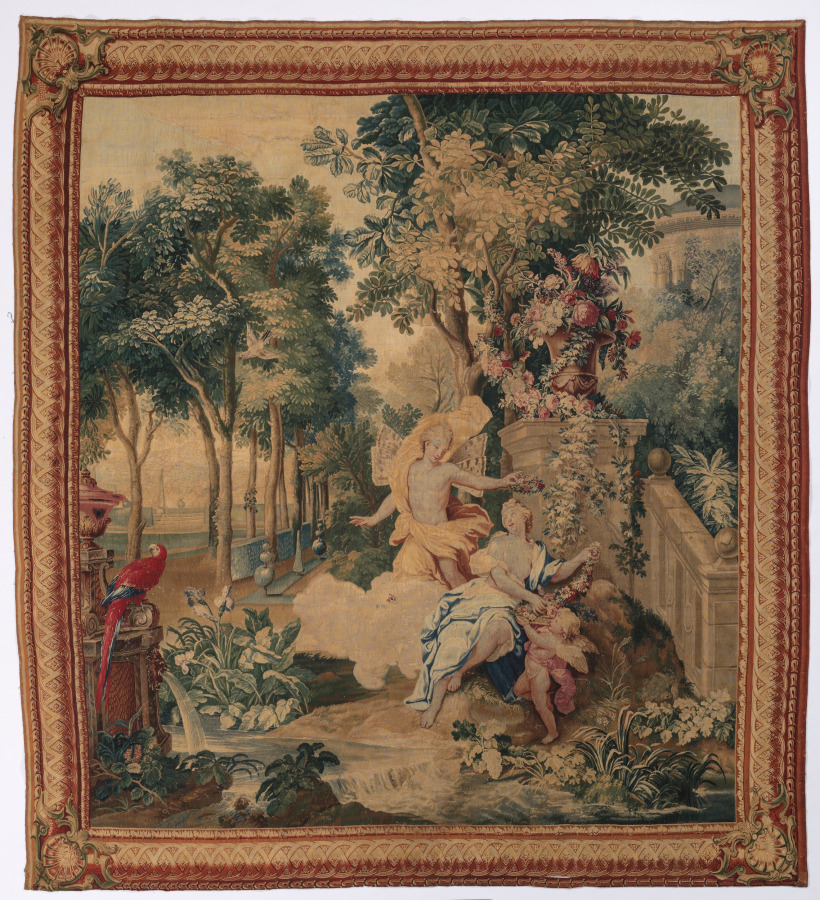
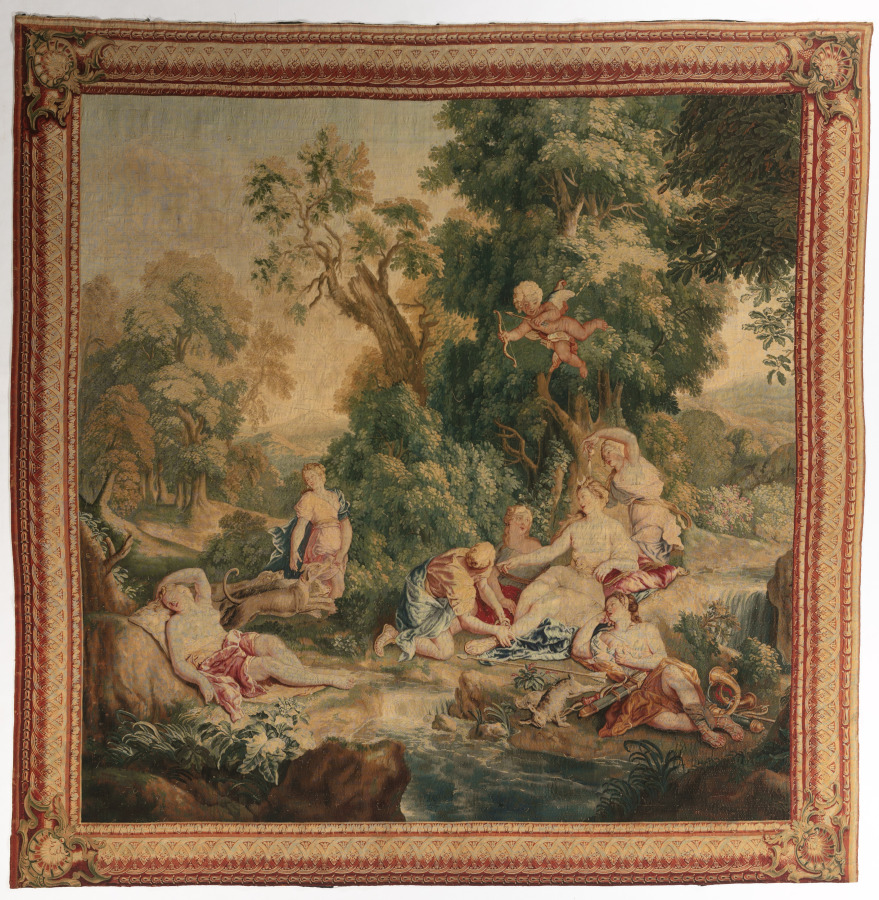
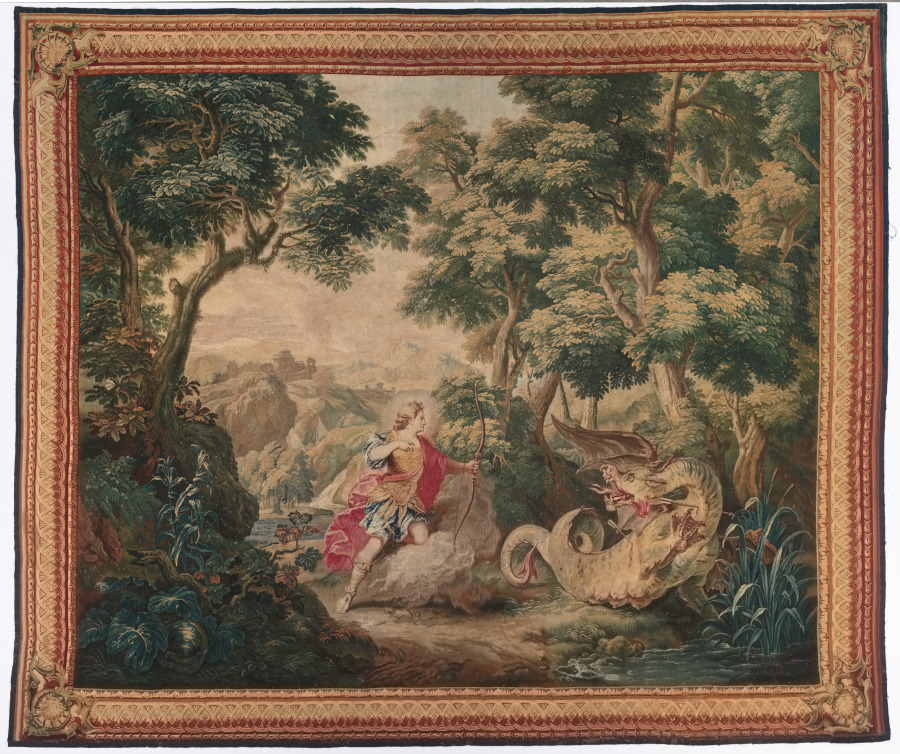
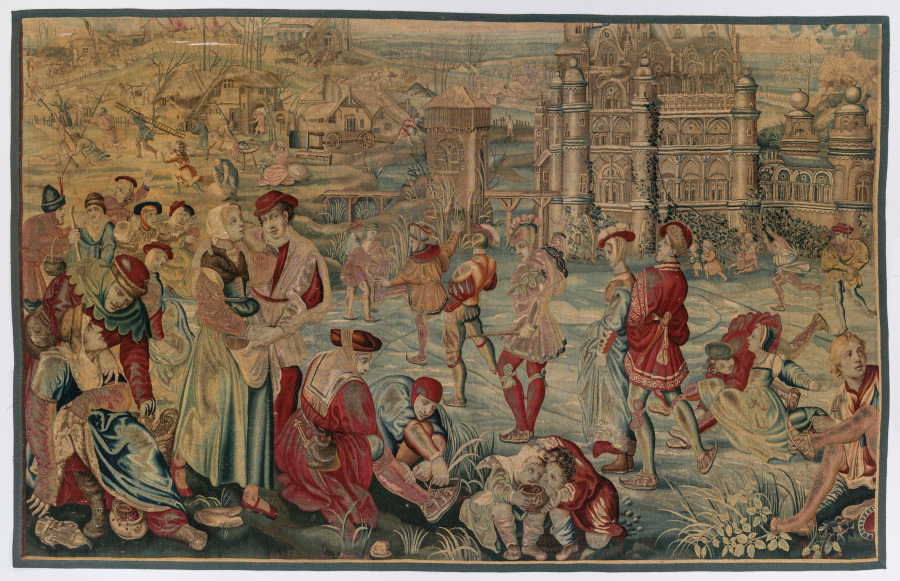
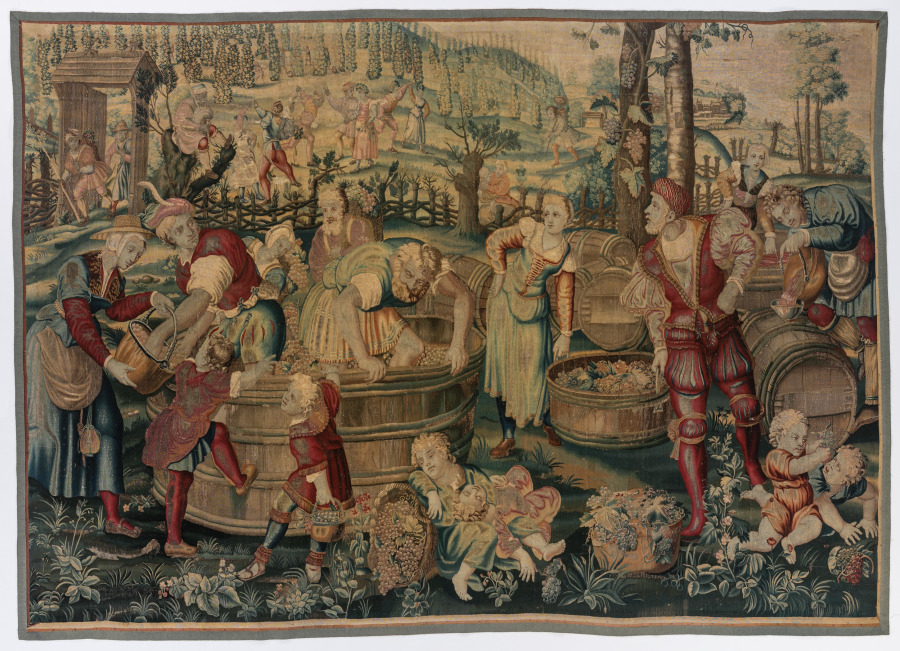
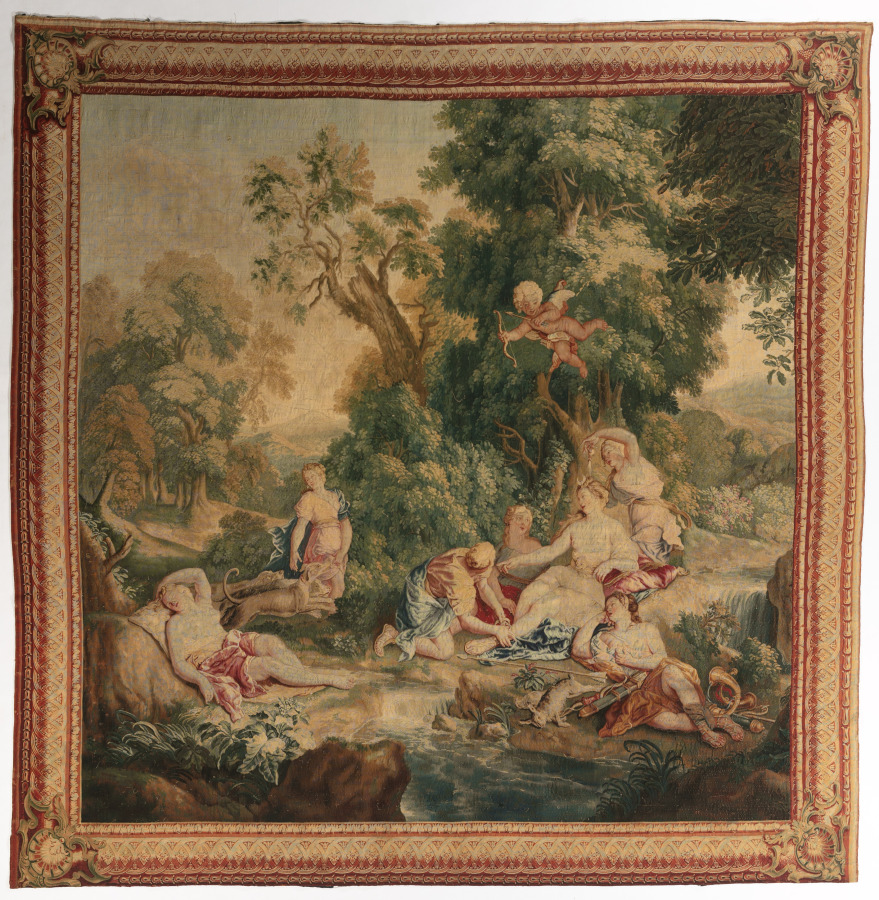
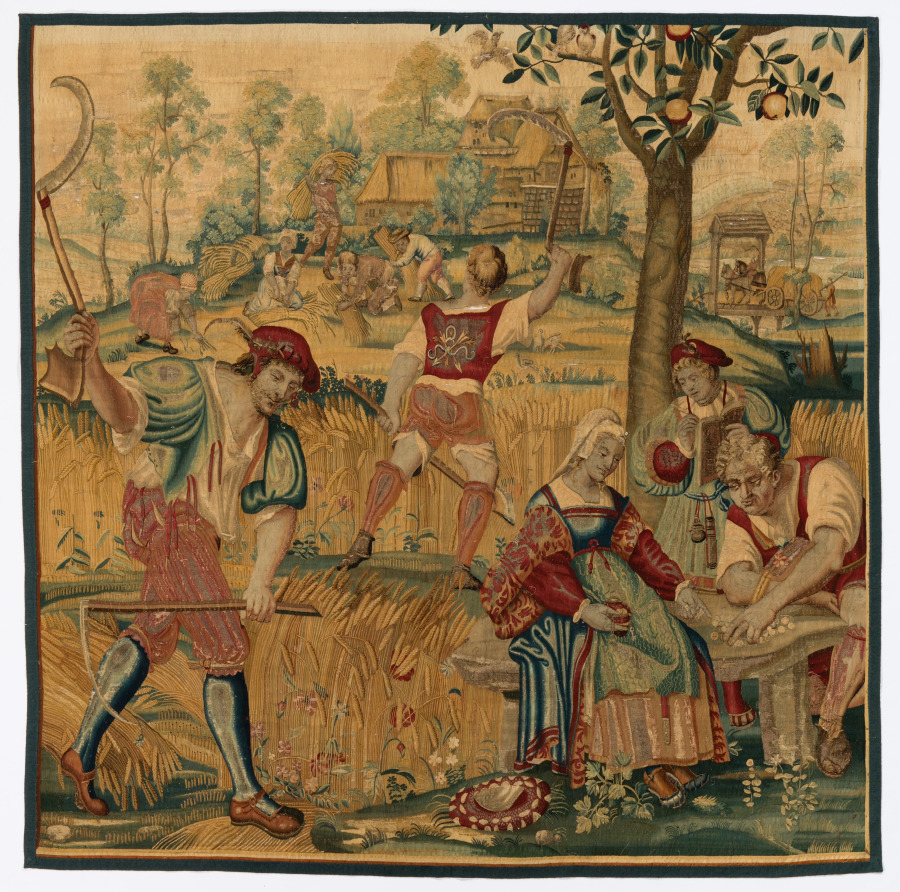
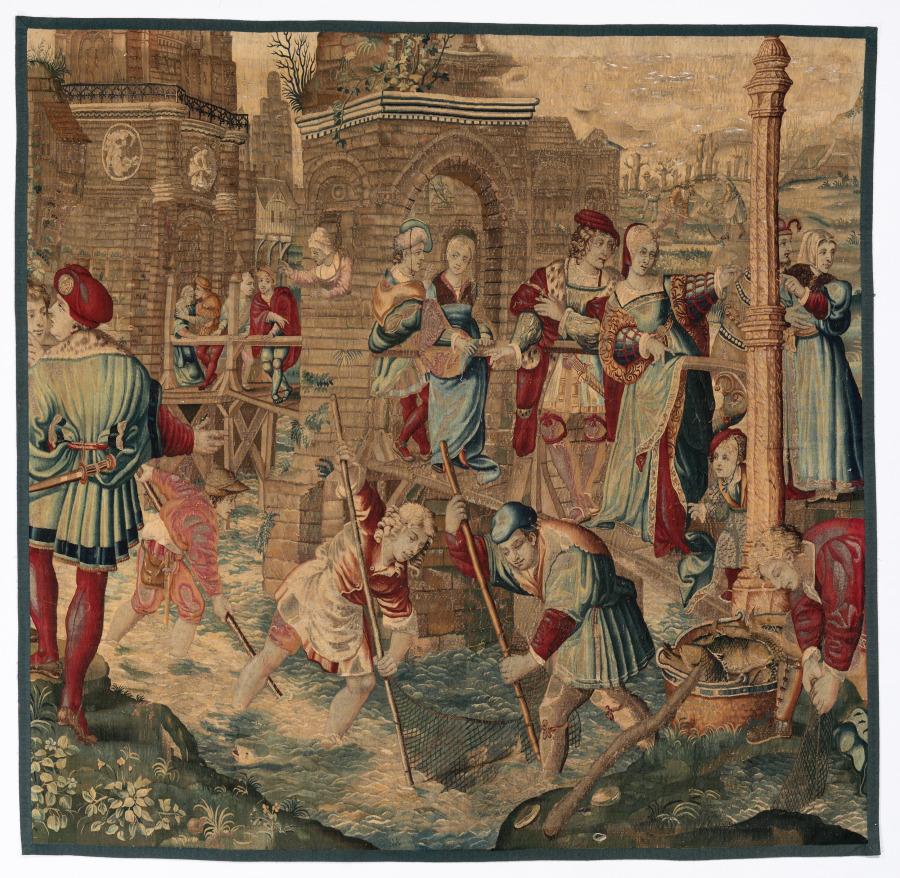
Each of these tapestries depict rustic activities appropriate to the season: fishing and gardening for spring, harvesting of grain in summer, wine making for autumn, and ice skating for winter. As tapestries fell out of vogue in the 1700s and 1800s many were burned so their metal threads could be harvested to mint new coins. Before coming to the Cleveland Museum of Art, these tapestries hung in the family home of Frank H. Ginn and Cornelia Root Ginn in Gates Mills, Ohio. Their children donated the tapestries to the museum in 1952.