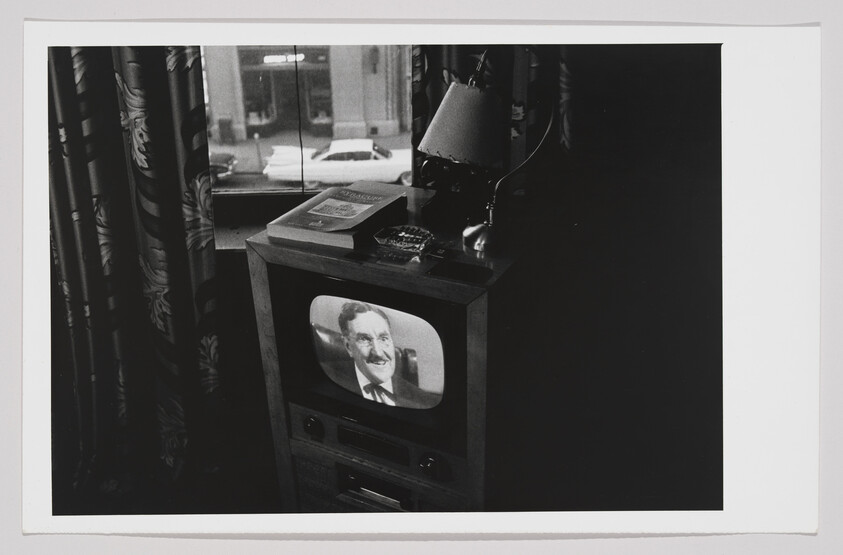
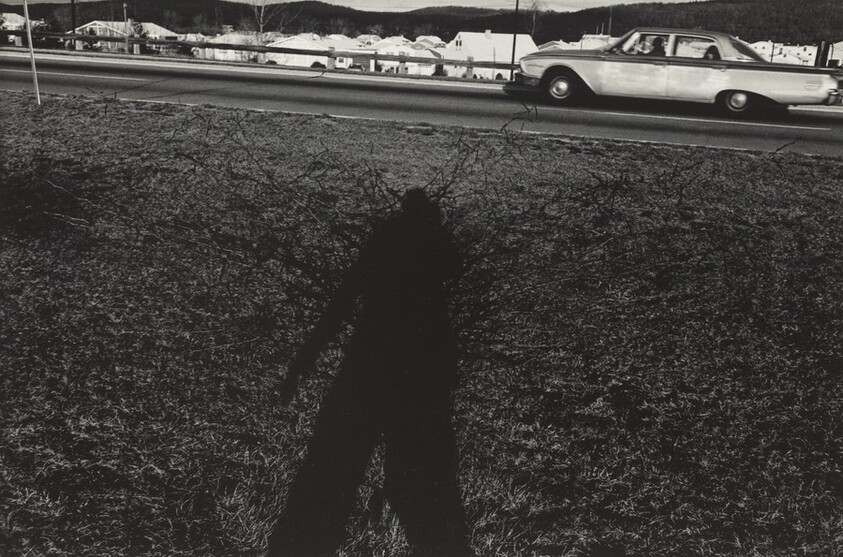
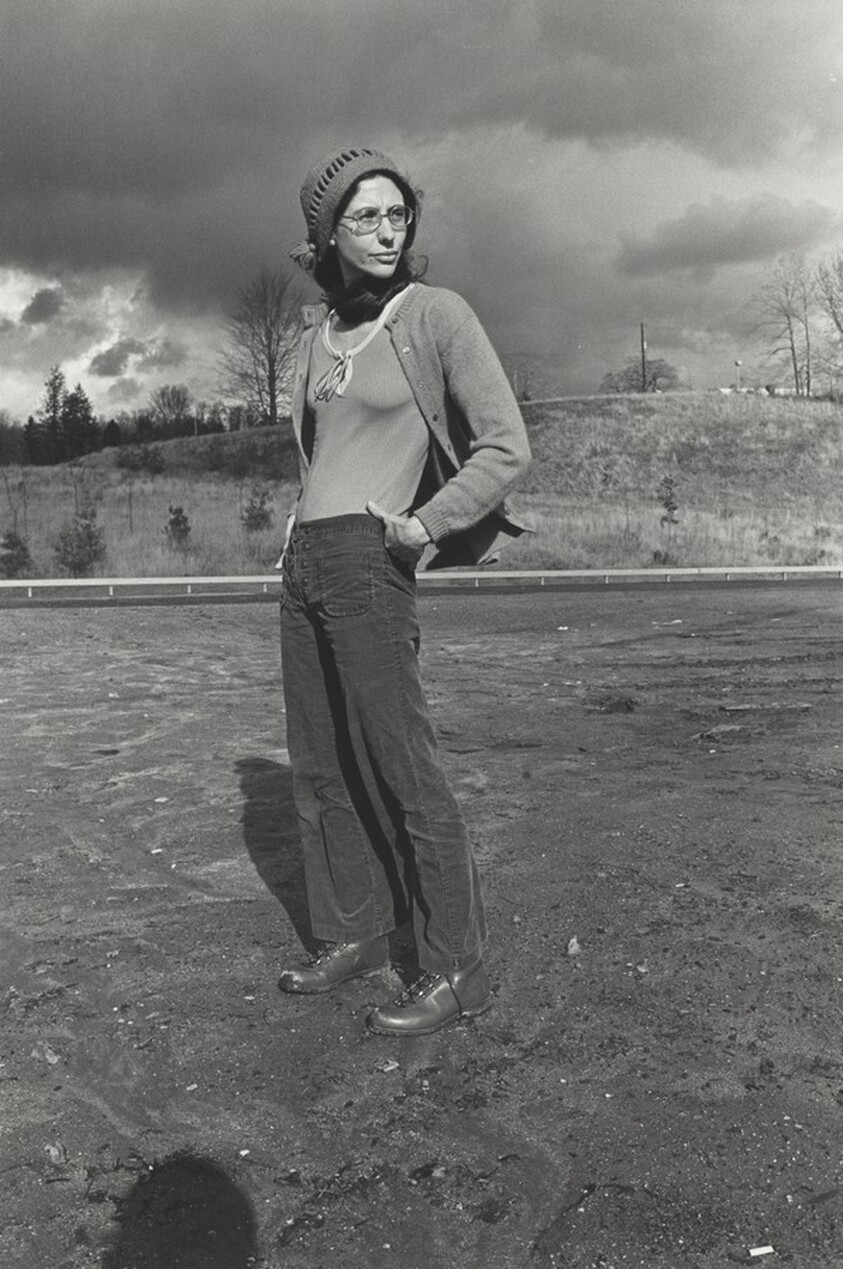
Galax, Virginia
Lee Friedlander
1962
- Medium
- Gelatin silver print
- Dimensions
- Image: 18.8 × 28.3 cm (7 7/16 × 11 3/16 in.); Paper: 28 × 35.3 cm (11 1/16 × 13 15/16 in.)
- Genre
- Photographs
- Museum
- Art Institute of Chicago
Tags
photographic techniquesphotographyphotographic processesblack-and-white photographyphotographphotographic paper
About
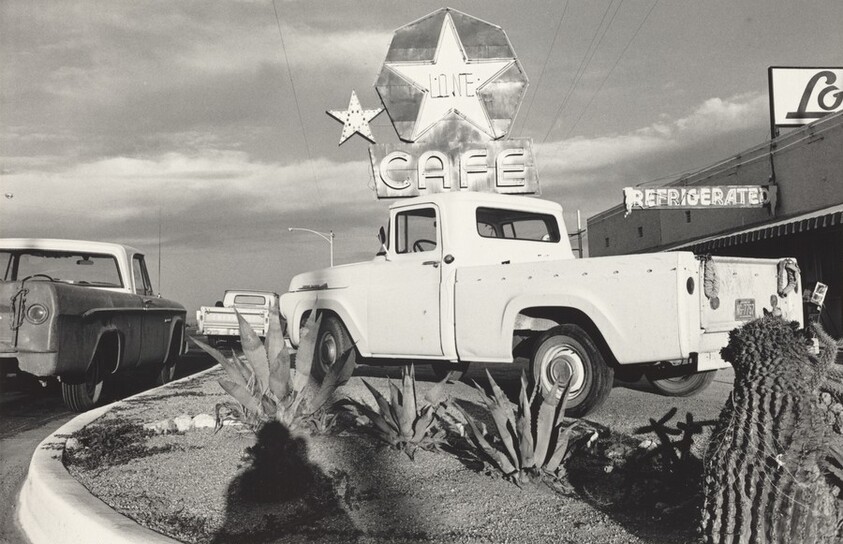
Lee Friedlander belongs to a generation of American documentary photographers in the 1950s and ’60s who sought not to enact social change, but rather to draw attention to the realities of contemporary society. For 50 years Friedlander has traveled the country’s cities and towns, documenting distinctly American idiosyncrasies. One group of photographs, sometimes referred to as the Little Screens, features bleak, interchangeable motel rooms glowing with televisions depicting happy, anonymous people. By the 1960s television was America’s most popular form of mass media. The palpable isolation in Friedlander’s series contrasts starkly with the widespread depictions of nuclear families at home, cheerfully gathered around their TV sets. Walker Evans, whose work was a source of inspiration for Friedlander, described these photographs as “witty, sparkling little poems of hate. . . . Taken out of context as they are here, that baby might be selling skin rash.”