Ruth Orkin
b. 1921 — d. 1985
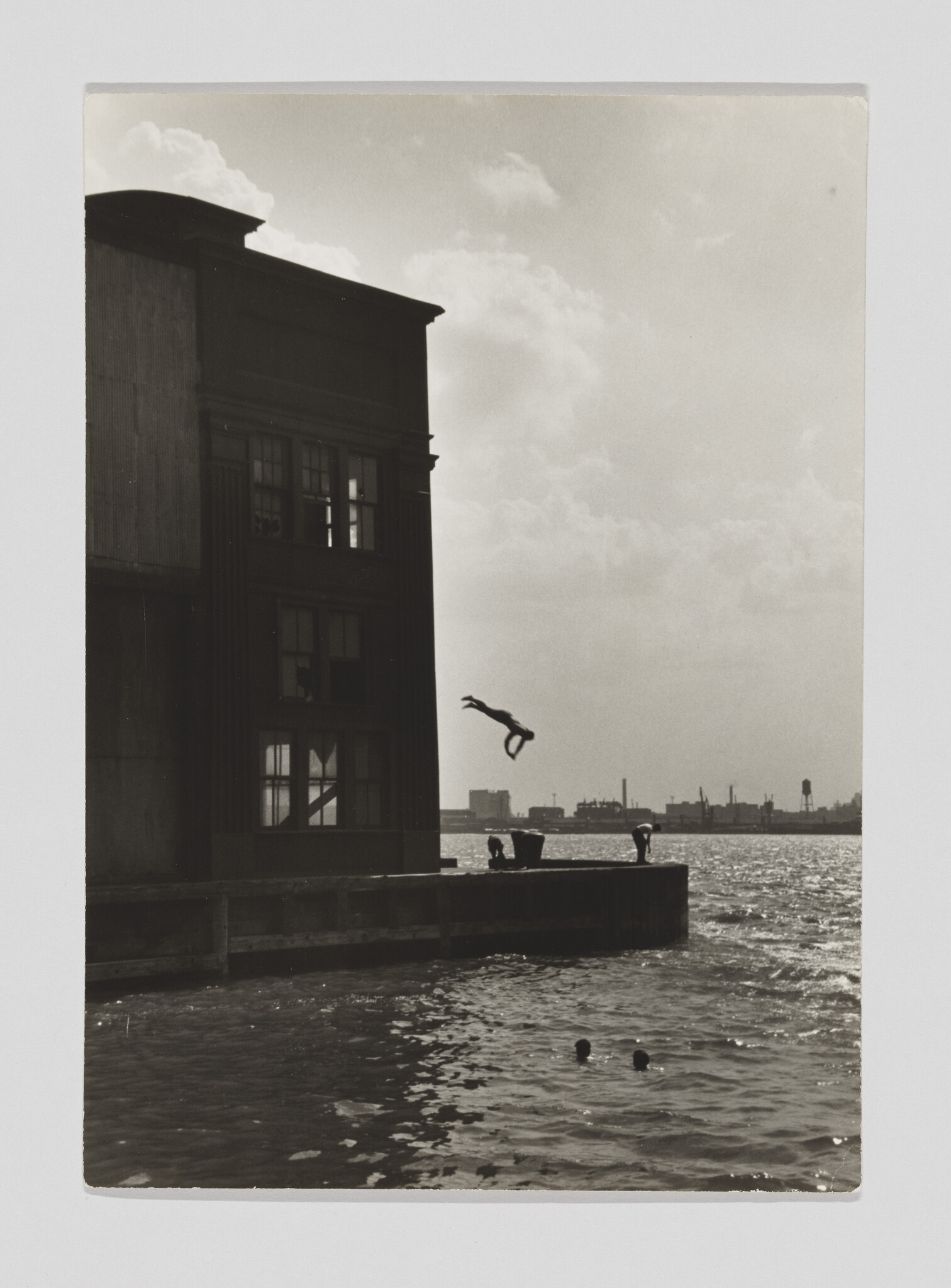
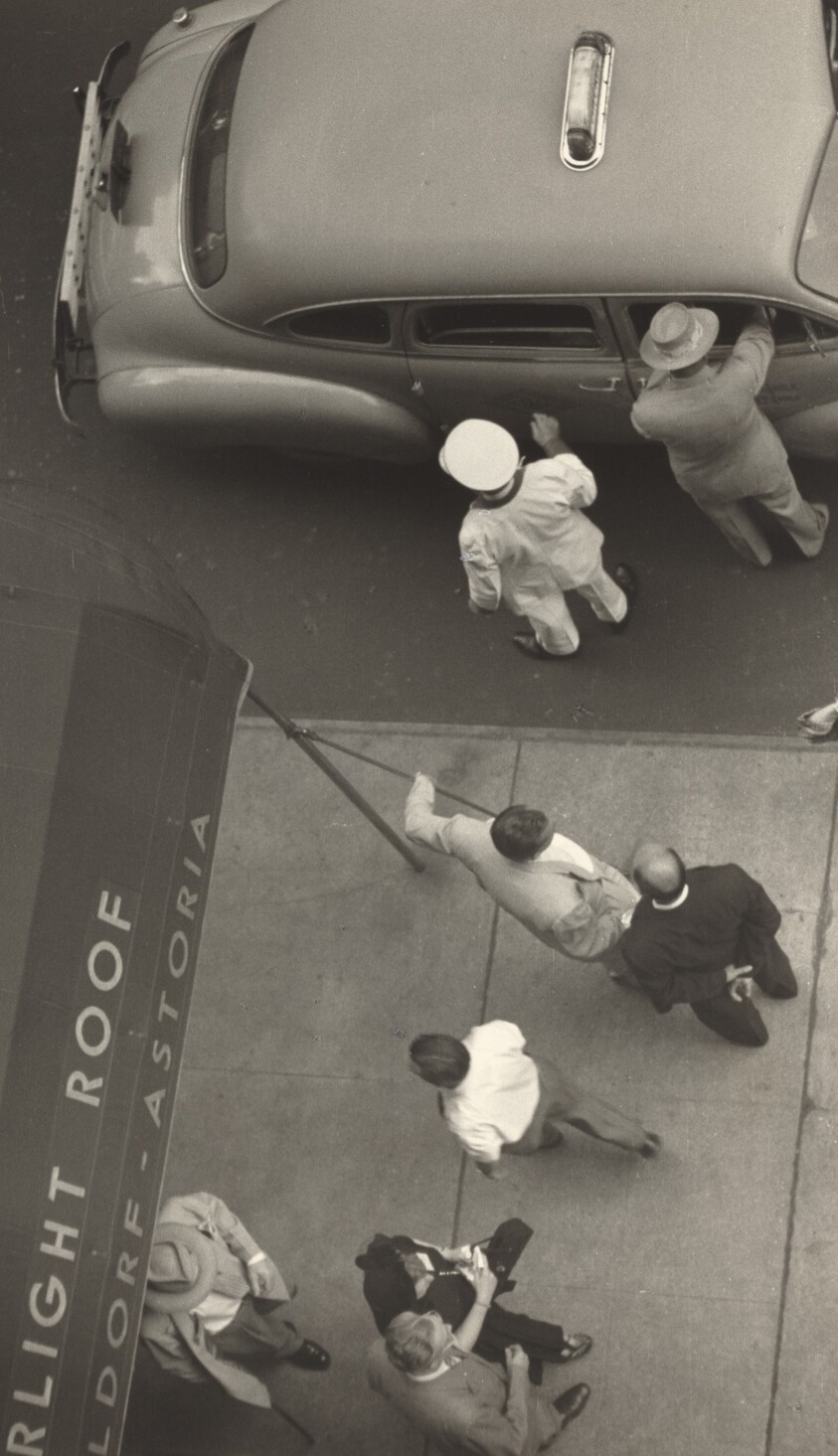
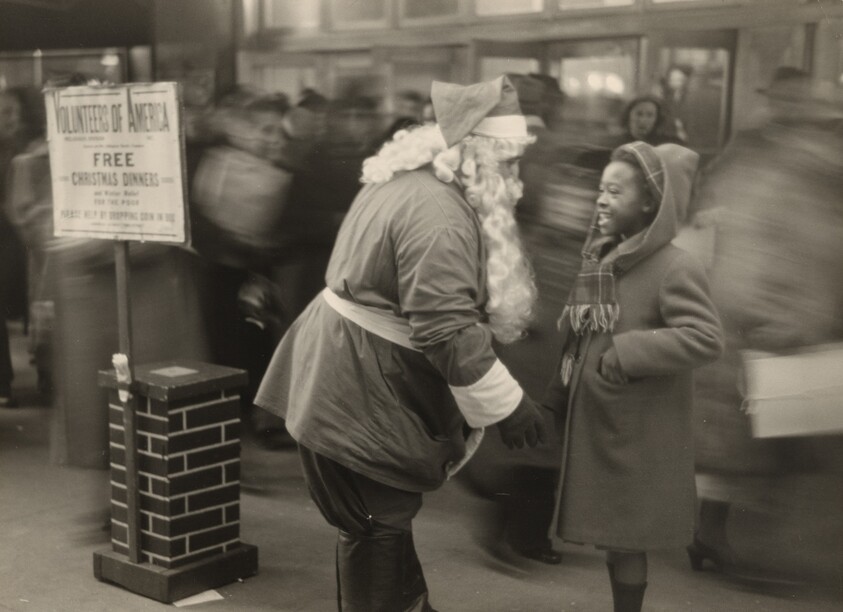
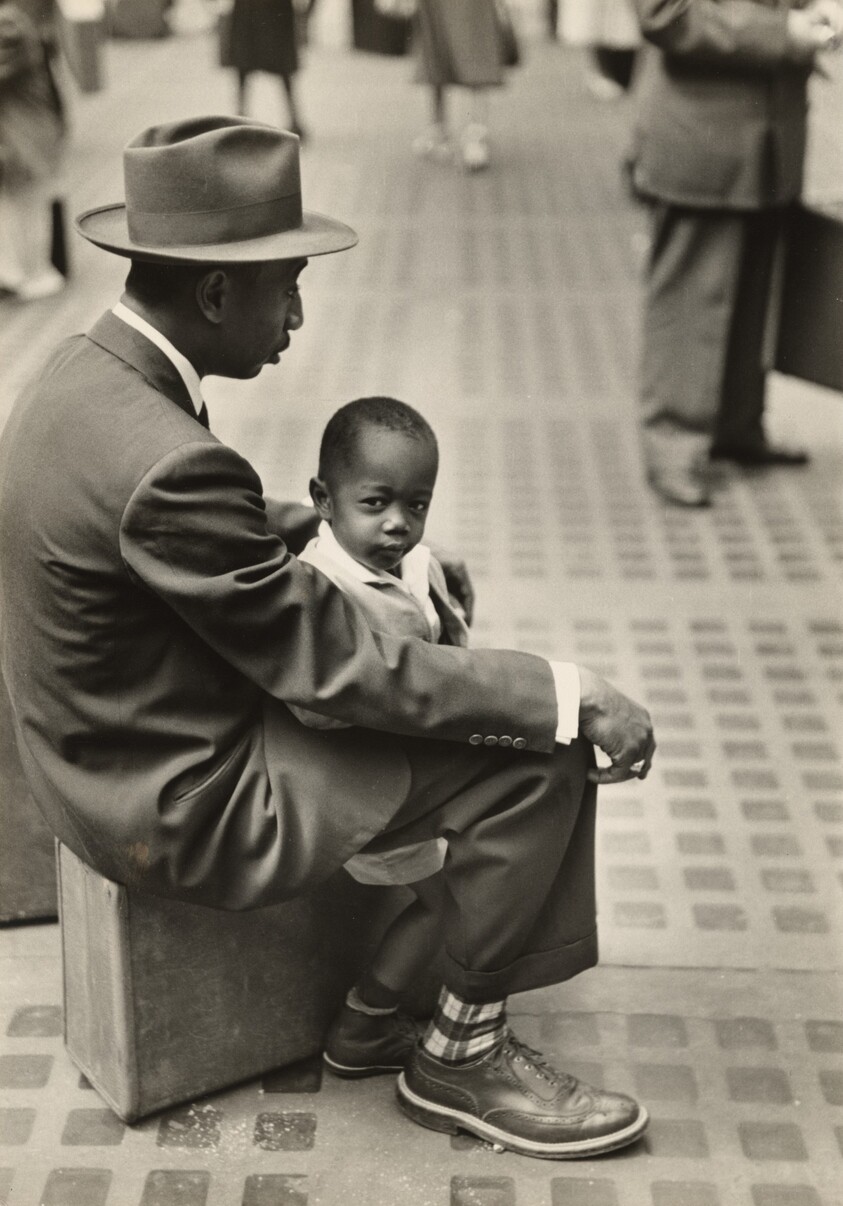
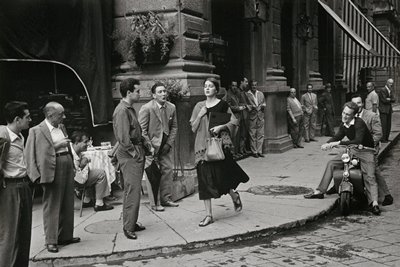
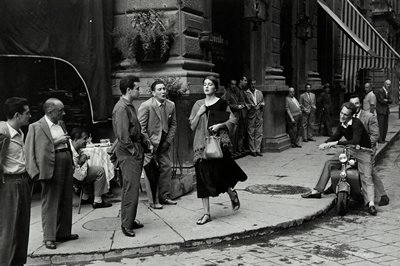
Ruth Orkin, a leading photojournalist in the mid-20th century, was inventive and adventurous. At age 17, she left her native Hollywood for New York City, traveling cross-country by bicycle and hitchhiking to see the New York World’s Fair. Orkin funded her trip in part by selling her travelogue to newspapers; she also took photographs to illustrate the story, including several pictures made in and around Chicago [https://www.artic.edu/artworks/214267/chicago-skyline]. In the 1940s, Orkin photographed regularly for major US magazines, including LIFE, where she became a staff photographer. It was on assignment for LIFE in 1951 that she created her most famous photograph—an image of an equally independent young woman named Nina Lee Craig traveling by herself in Italy. Soon after, Orkin and her husband Morris Engel [https://www.artic.edu/artists/111212/morris-engel] co-directed Little Fugitive (1953), a film about yet one more free-spirited young person escaping to Coney Island, but just for a summer afternoon. Coney Island was often the subject of Engel’s photographs [https://www.artic.edu/artworks/214019/coney-island-crowd-scene-with-screaming-boy-nyc]—and was also a favorite of the New York Photo League, a group of street photographers who concentrated on working-class subjects and urban daily life and with whom Orkin was close.
Timeline
Born 1921 — Died 1985
1930s

1940s