Odd Nerdrum
b. 1944
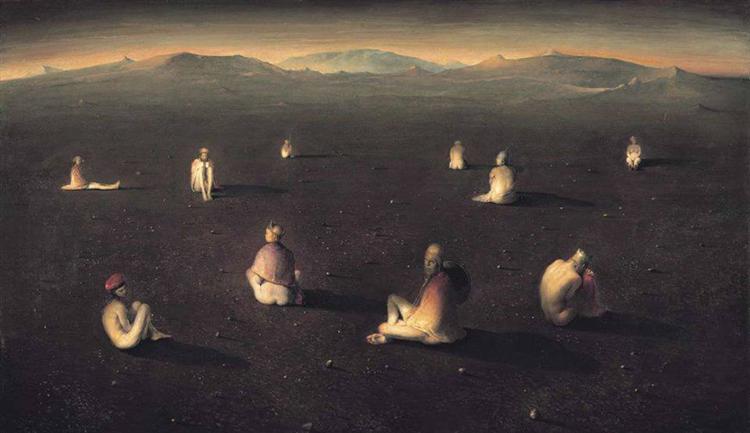
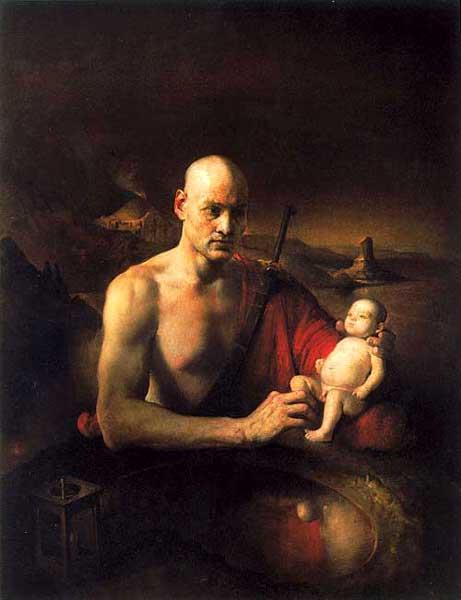
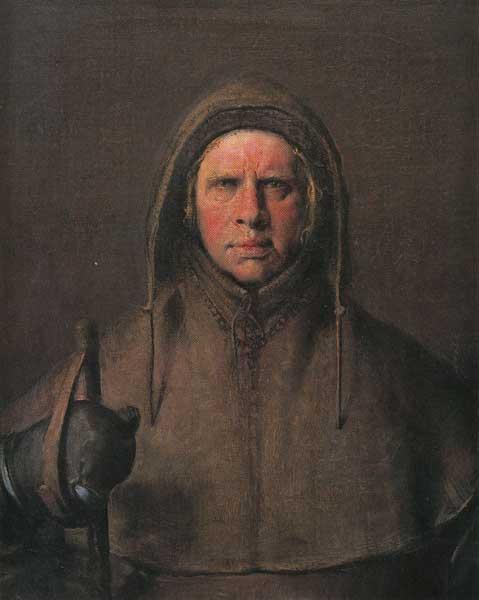
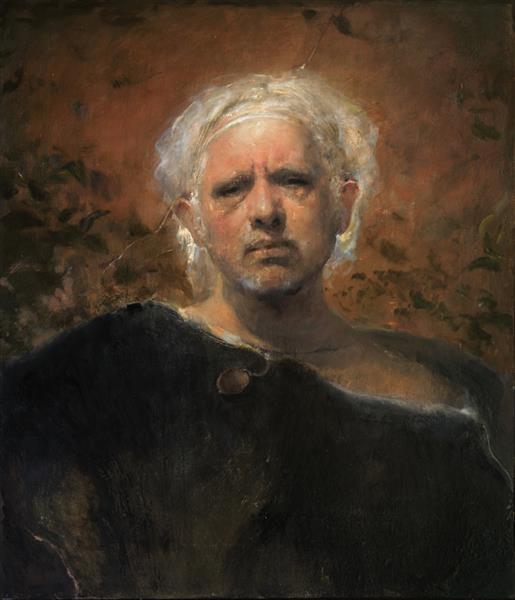
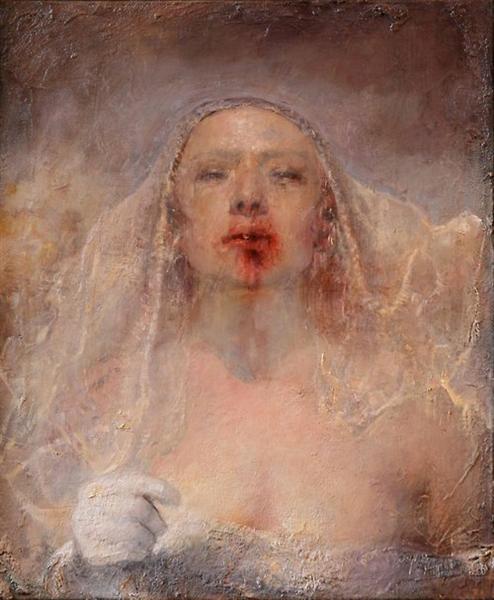
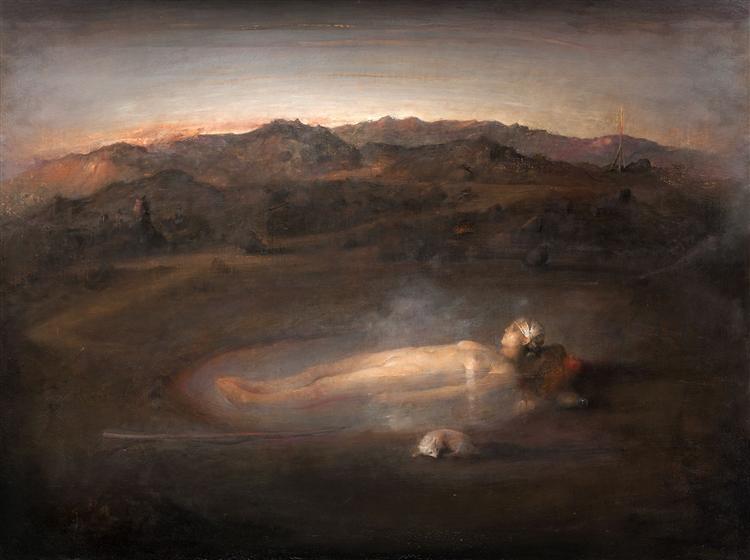
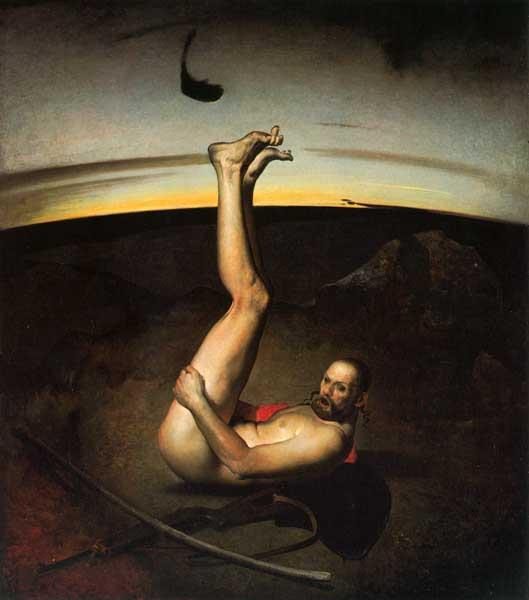
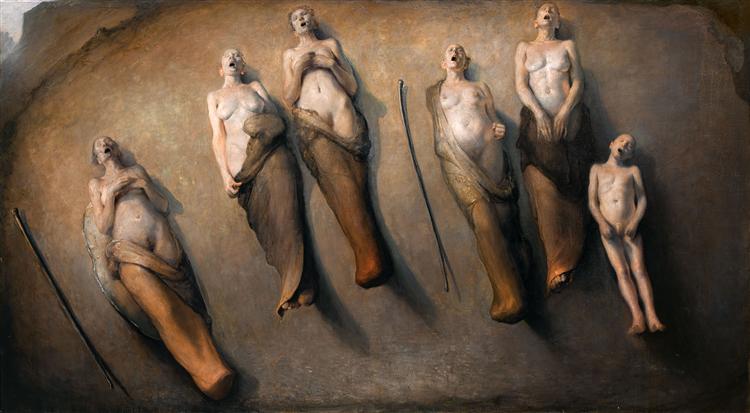
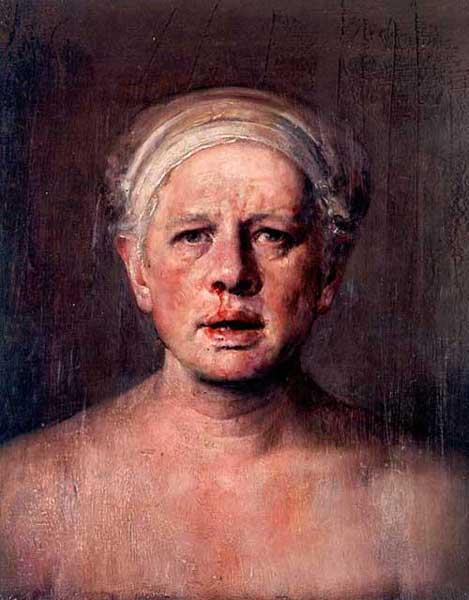
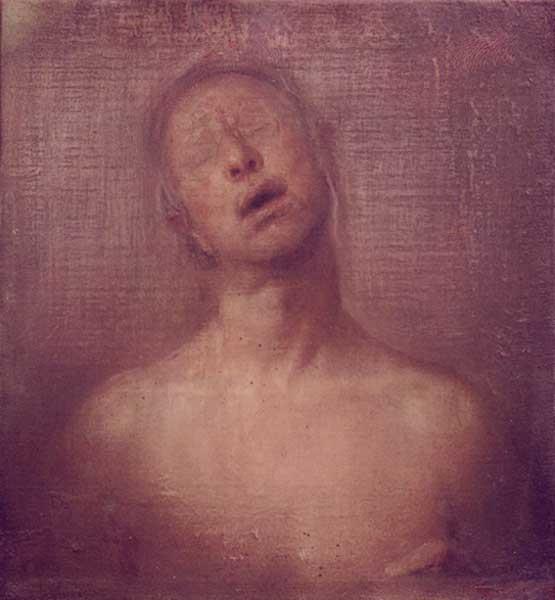
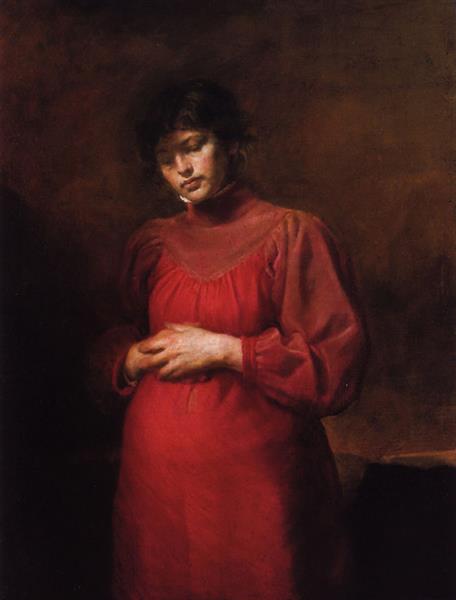
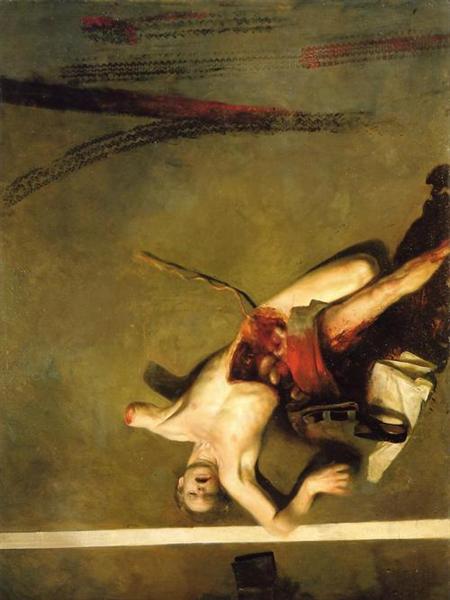
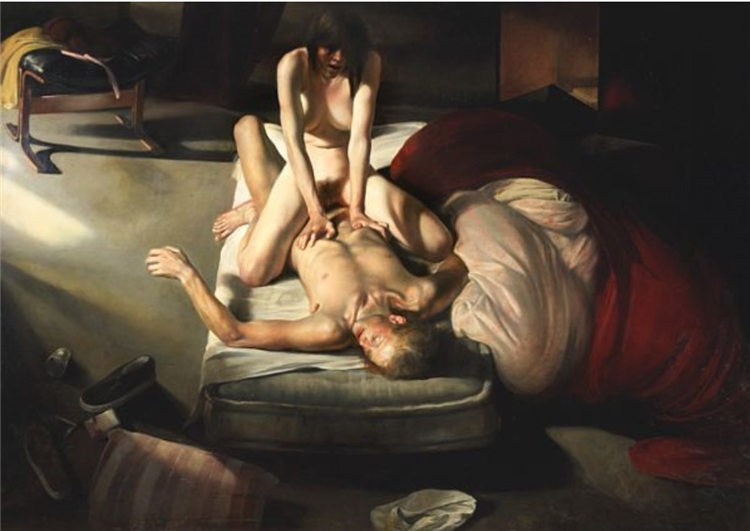
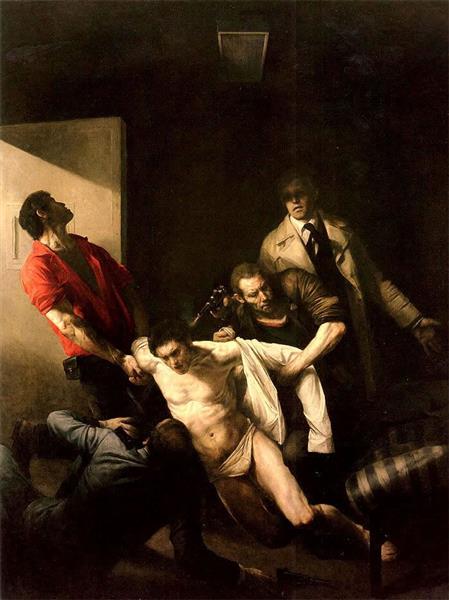
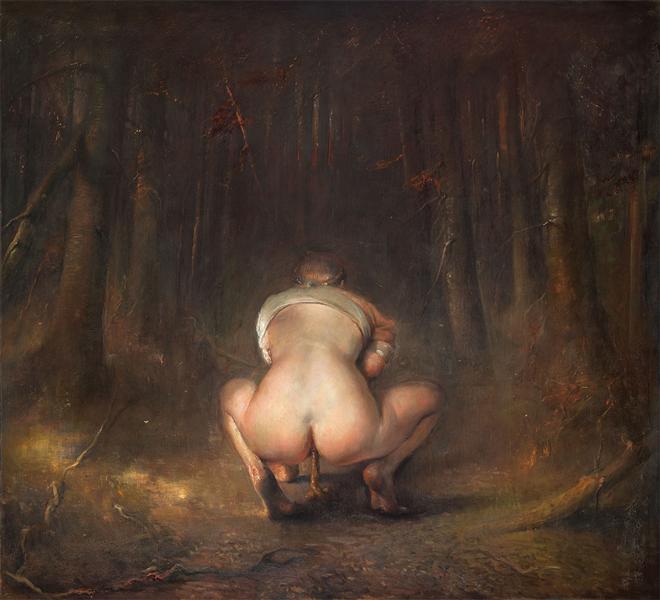
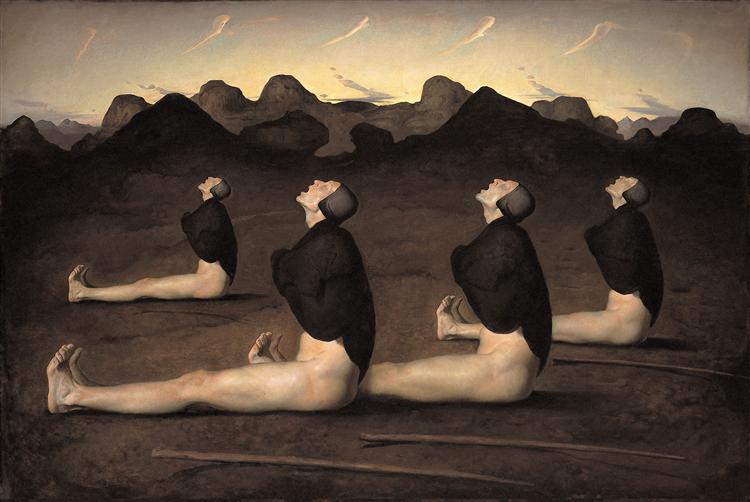
Odd Nerdrum, Norwegian figurative painter and founder of the [url href=https://www.wikiart.org/en/artists-by-art-movement/kitsch#!#resultType:masonry]Kitsch[/url] movement, has been a controversial figure in the world of contemporary art. Since the early phases of his career Nerdrum has positioned himself as an outsider. His interest in the tradition and craftsmanship of Old European Masters like [url href=https://www.wikiart.org/en/rembrandt]Rembrandt[/url] and [url href=https://www.wikiart.org/en/caravaggio]Caravaggio[/url] countered the dominant trends of [url href=https://www.wikiart.org/en/artists-by-art-movement/conceptual-art#!#resultType:masonry]Conceptual[/url] and [url href=https://www.wikiart.org/en/artists-by-art-movement/post-painterly-abstraction#!#resultType:masonry]Abstract[/url] art of the 1960s and 1970s. Odd Nerdrum was born in Sweden in 1944 to Norwegian parents, who returned to Norway after the end of World War II. Nerdrum began his artistic education at the [url href=https://www.wikiart.org/en/artists-by-art-institution/oslo-national-academy-of-the-arts-oslo-norway#!#resultType:masonry]Art Academy in Oslo[/url], but quickly became discontent with the academy because of the emphasis on modern art. Instead he focused his energy on teaching himself to paint in a [url href=https://www.wikiart.org/en/paintings-by-style/neo-baroque#!#resultType:masonry]Neo-Baroque[/url] style and learning the traditions of European painting. This put Nerdrum at odds with many of his instructors and pupils, causing him to feel isolated among his peers. Later, he studied at the [url href=https://www.wikiart.org/en/artists-by-art-institution/kunstakademie-dusseldorf-dusseldorf-germany#!#resultType:masonry]Arts Academy of Düsseldorf[/url] under leading German conceptual and performance artist [url href=https://www.wikiart.org/en/joseph-beuys]Joseph Beuys[/url]. At the beginning of his career, Nerdrum dealt with contemporary social issues, like the sexual revolution in [url href=https://www.wikiart.org/en/odd-nerdrum/liberation-1974][i]Liberation[/i][/url] (1974) and poverty in [url href=https://www.wikiart.org/en/odd-nerdrum/morning][i]Morning[/i][/url] (1972). His most famous painting from the period is [url href=https://www.wikiart.org/en/odd-nerdrum/the-murder-of-andreas-baader-1978][i]The Murder of Andreas Baader[/i][/url] (1977-1978), which dealt with the death of Andreas Baader, one of the founders of the Baader-Meinhof group, a far left militant organization. During the early the 1980s, Nerdrum changed direction artistically, especially in terms of subject matter. According to scholars, the first sign of this change is the painting [url href=https://www.wikiart.org/en/odd-nerdrum/twilight][i]Twilight[/i][/url] (1981), which portrays a young woman defecating in a forest clearing. The painting signified the change of subject matter: Nerdrum started to turn away from issues of modern society and concentrated instead on portraying the primal human experience. In subsequent paintings, such as [url href=https://www.wikiart.org/en/odd-nerdrum/iron-law-1984][i]Iron Law[/i][/url] (1983-1984) and [url href=https://www.wikiart.org/en/odd-nerdrum/the-ultimate-sight-1985][i]The Ultimate Sight[/i][/url] (1985), Nerdrum developed a new world that described an archetypal existence. His figures are most often situated in apocalyptic environments – mainly severe landscapes that were influenced by his studies of the Icelandic landscapes. Nerdrum’s artistic sensibility is closest to the painting of Baroque painters, Old Masters like Rembrandt and Caravaggio. In his art, Nerdrum calls for a return to the tradition and craftsmanship of European painting. At the opening of his 1998 retrospective at the Astrup Fearnley Museum in Oslo, Nerdrum declared he was not an artist, but a kitsch painter. He later presented his manifesto [i]On Kitsch[/i], which outlined his aesthetics principles. For Nerdrum, kitsch is an artistic device that through narrative and sentiment portrays the human experience, and in the postmodern context it can be a form of avant-garde expression. In a way, Nerdrum’s embrace of kitsch affirms his critique of contemporary art. Nerdrum also acts as a teacher and mentor in a project named [i]The Nerdrum School[/i]. There, he works to advance the teaching of traditional painting methods, like mixing and grinding pigments, stretching out canvases and using life models.
Timeline
Born 1944





.jpg!Large.jpg)