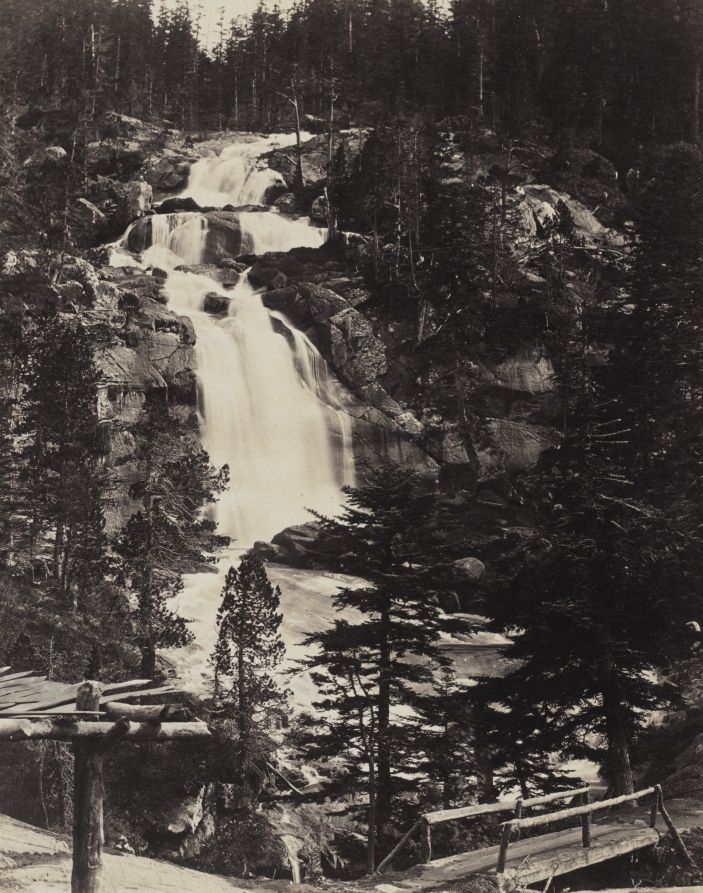
Louis-Alphonse Davanne (French, 1824–1912)
b. 1824 — d. 1912
Louis-Alphonse Davanne French, 1824-1912 Born in Paris, Louis-Alphonse Davanne was a chemist and an important innovator in photographic processes. Beginning in 1852, he spent much of the next 50 years experimenting with methods that led to more permanent photographic printing. He also invented several new types of cameras and photographic equipment. A founding member of the Société française de photographie, Davanne served on its board and as vice president, chairman, and honorary president, receiving its Prix du Duc de Luynes in 1859 for his collaborative work with Aimé Girard (1830-98). Together they researched the permanence of photographic positives, publishing their results in 1864. Davanne produced photographs in a number of media. His work, including views of France, Germany, Italy, Spain, and North Africa, was frequently shown throughout Europe. In addition to teaching at the École Ponts et Chausées and the Sorbonne, Davanne wrote extensively, including a 1904 article on the protection of photographic works and their assimilation as works of art. T.W.F.