Konstantinos Parthenis
b. 1878 — d. 1967
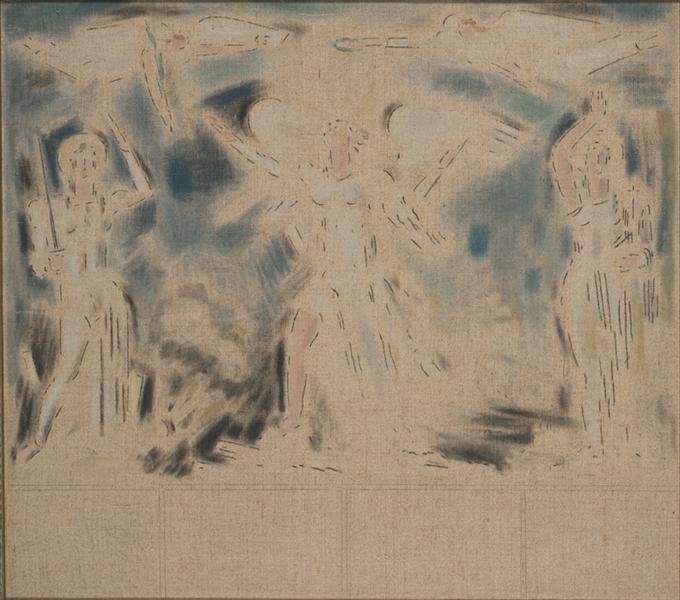
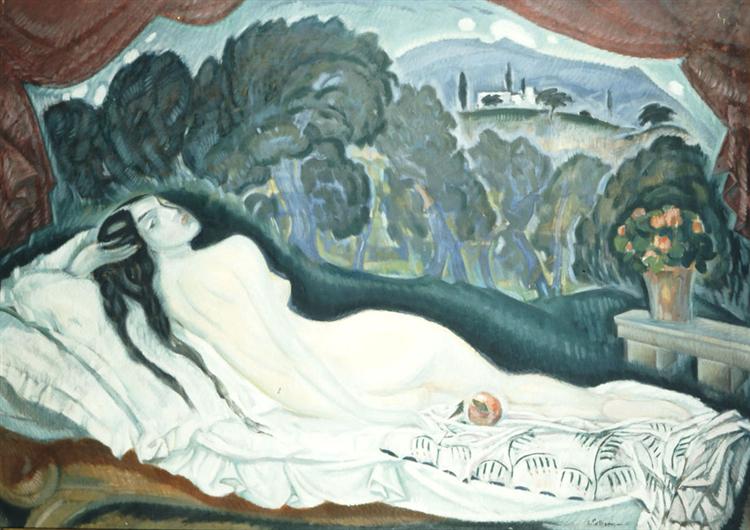
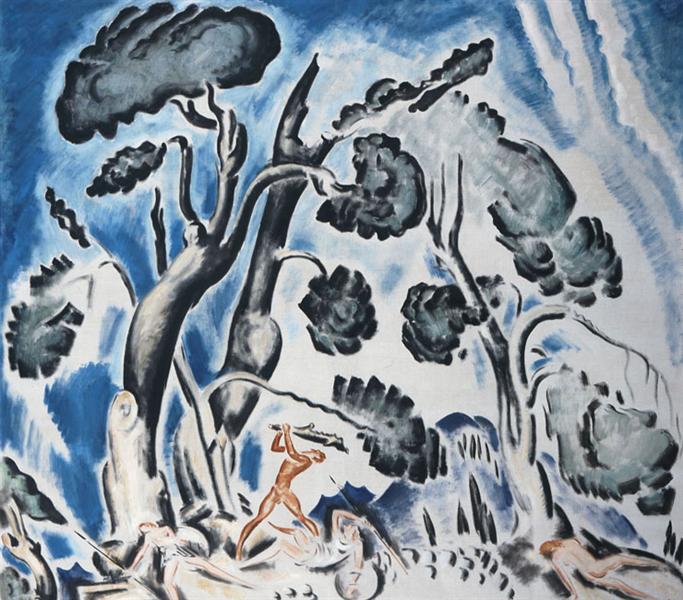
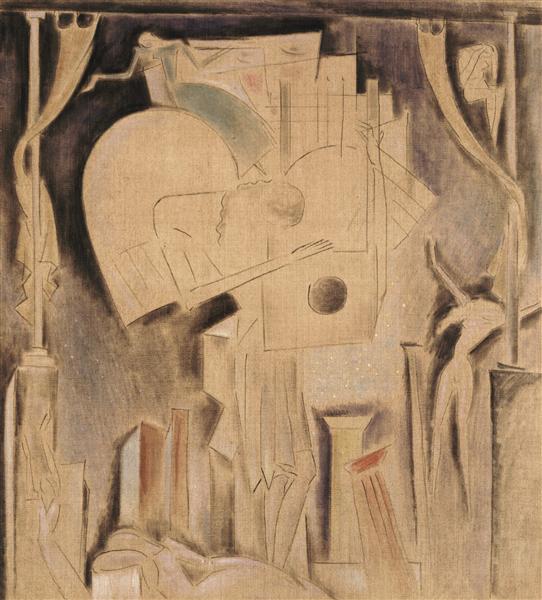
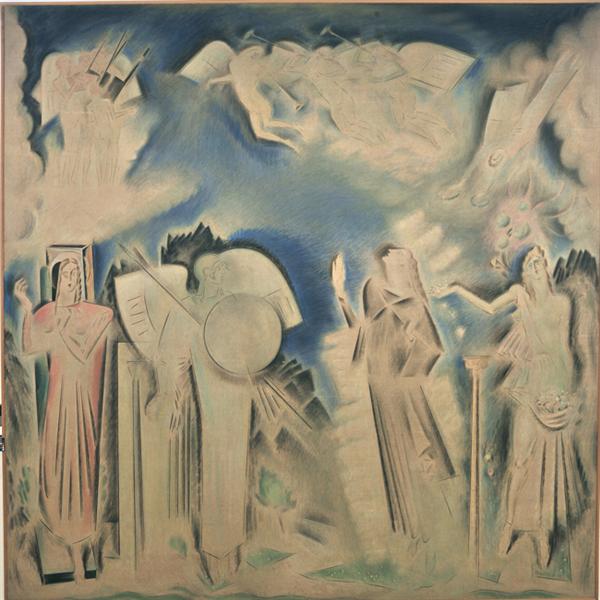
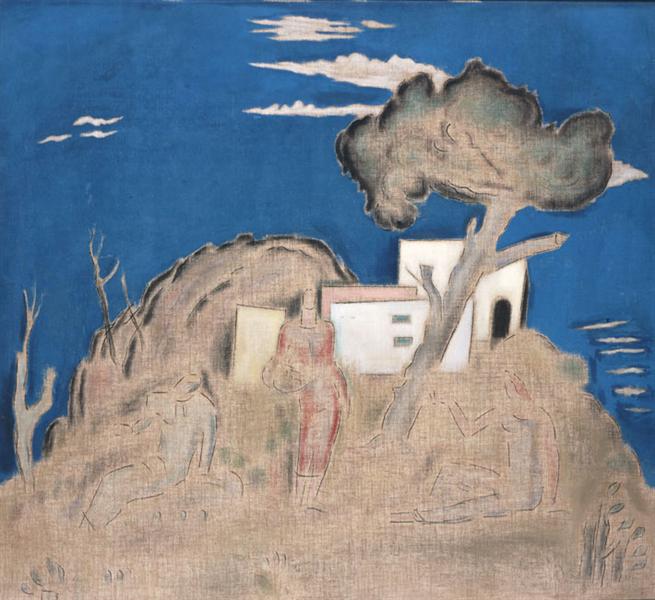
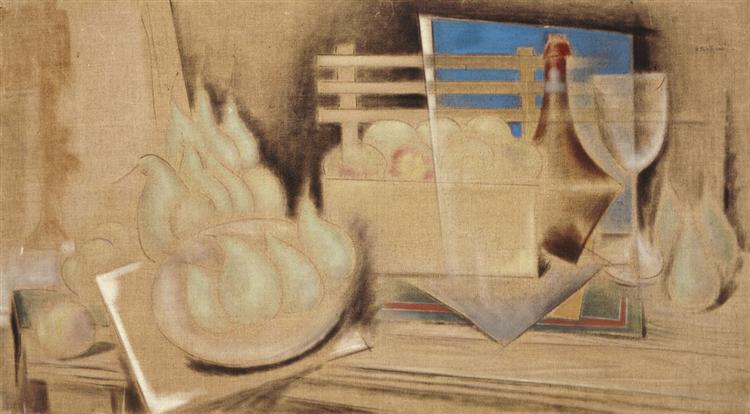
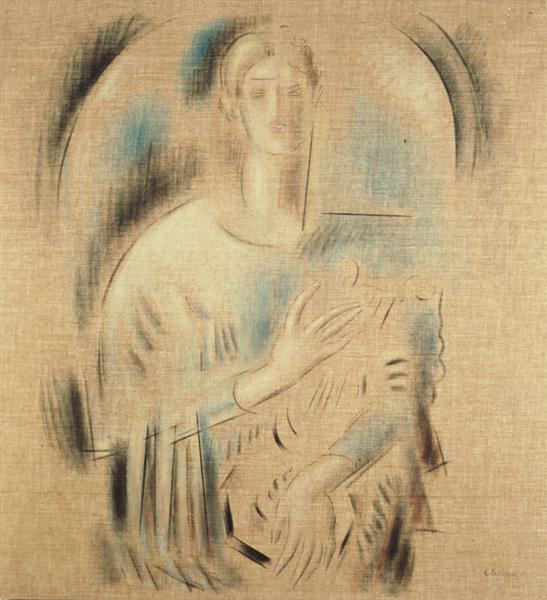
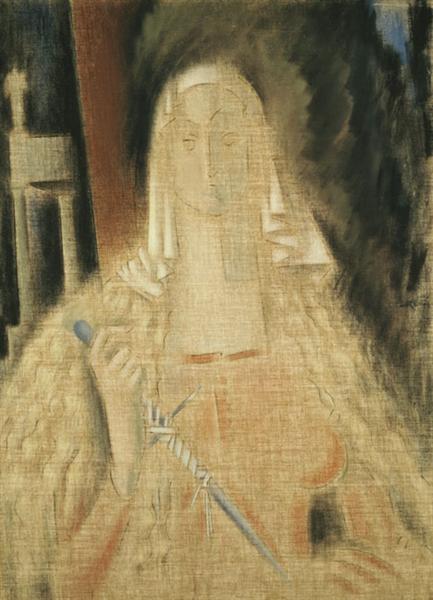
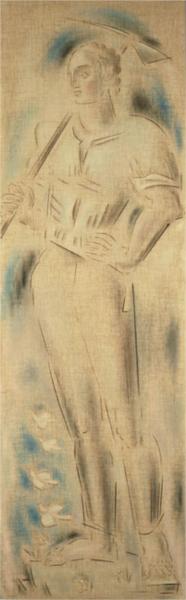
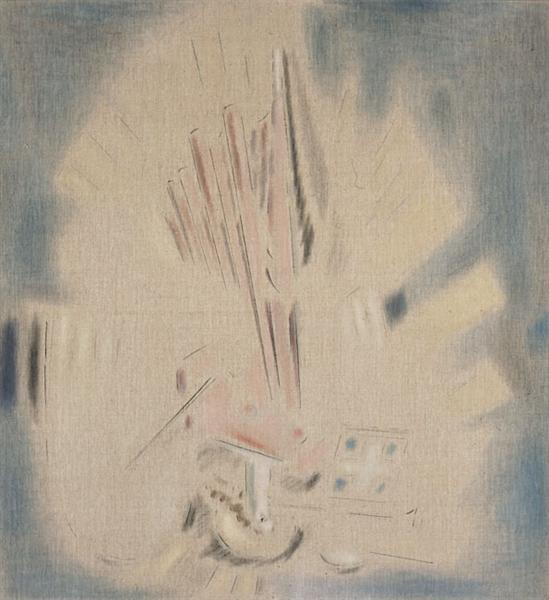
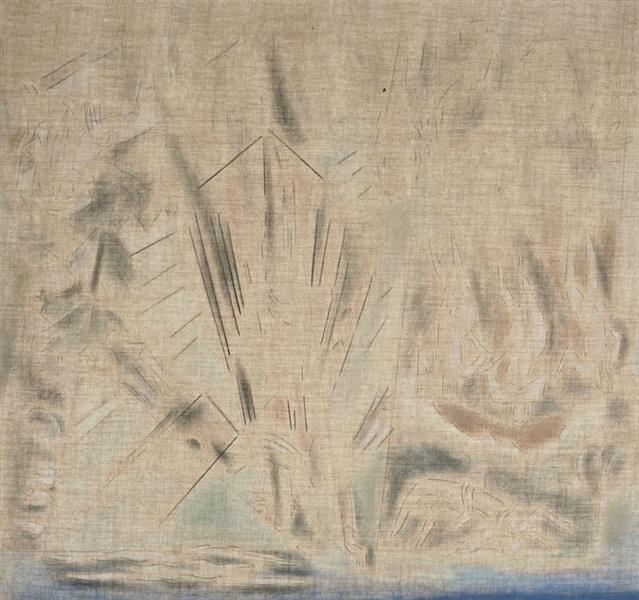
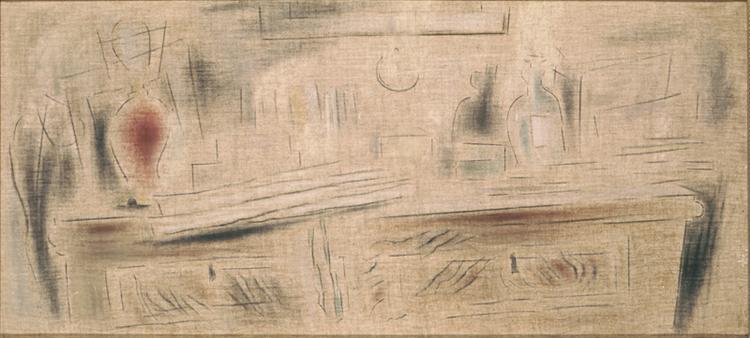
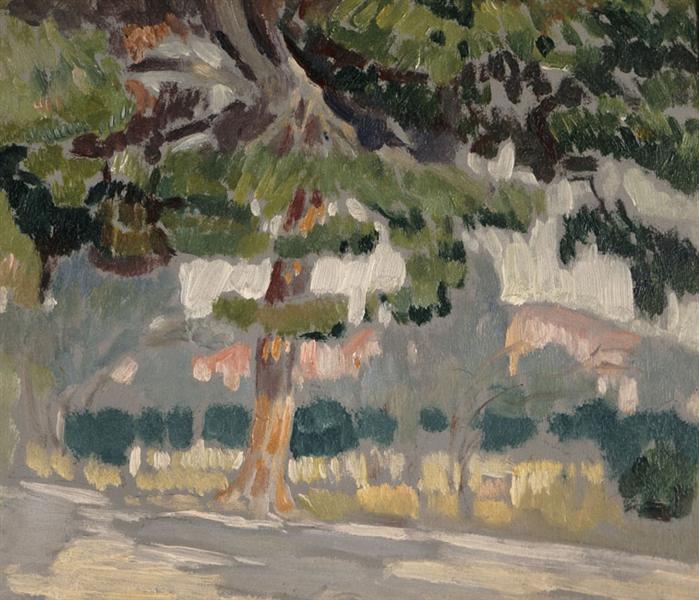
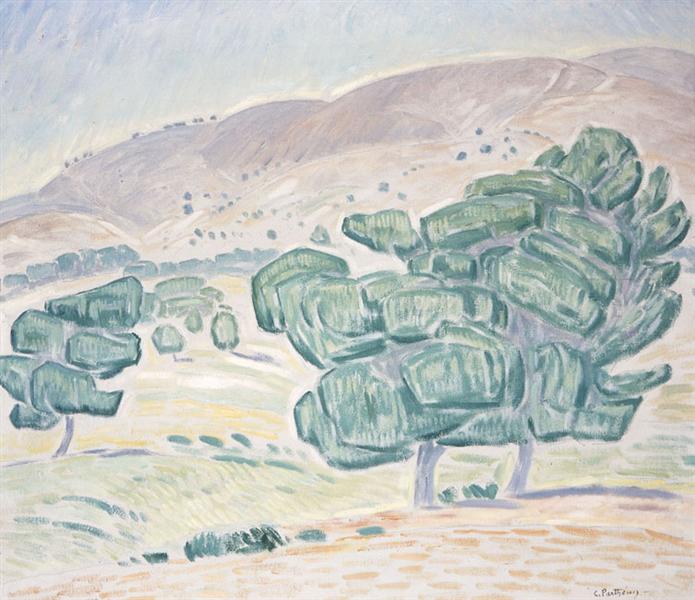
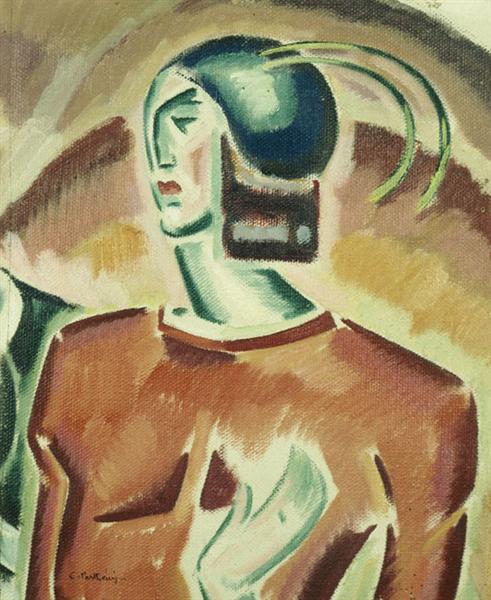
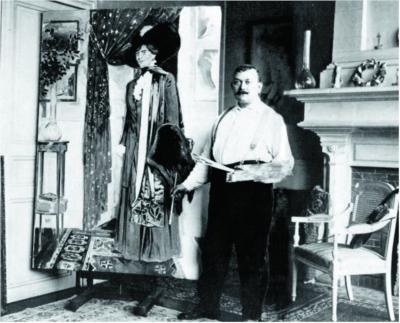
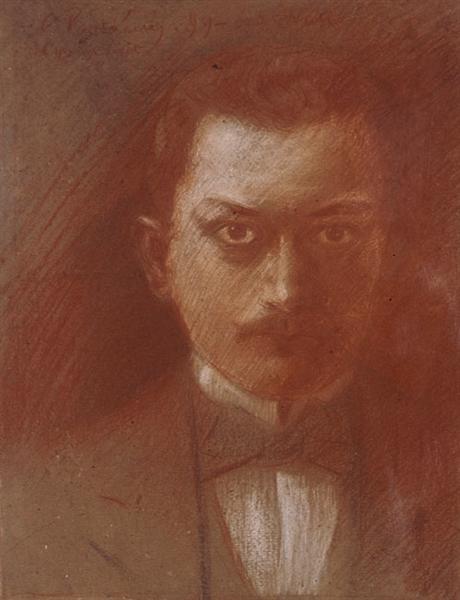
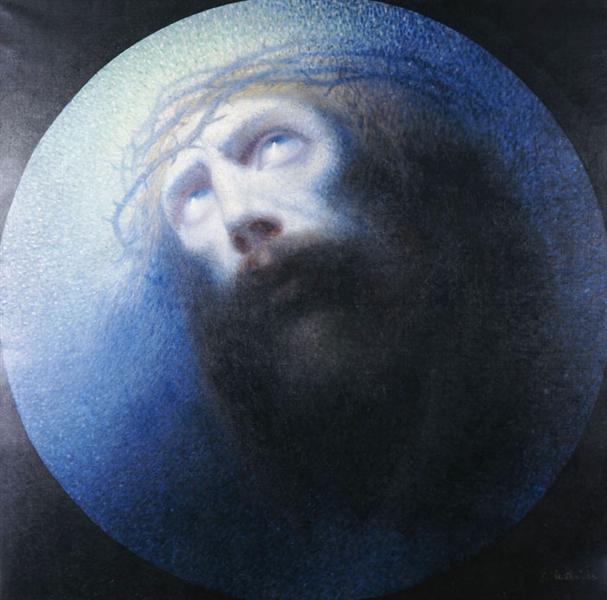
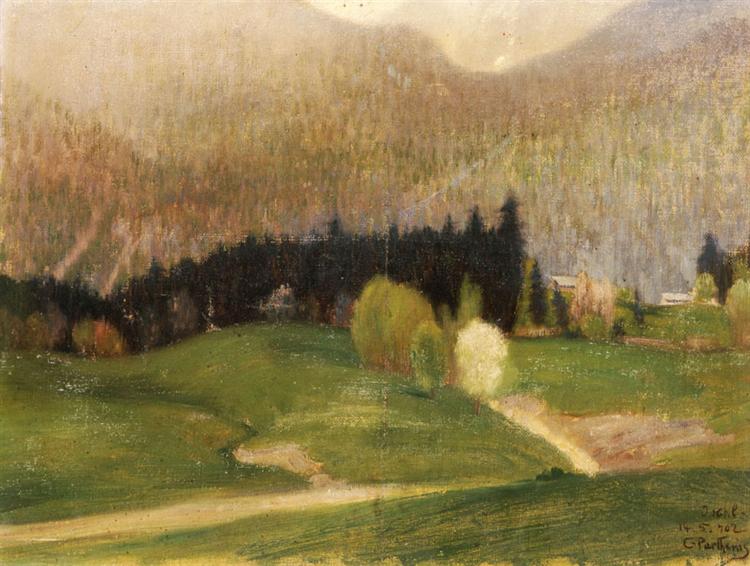
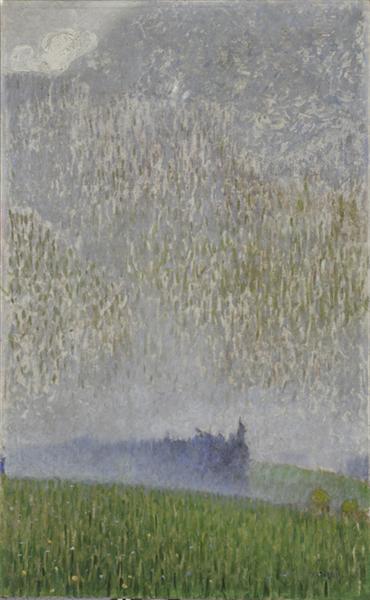
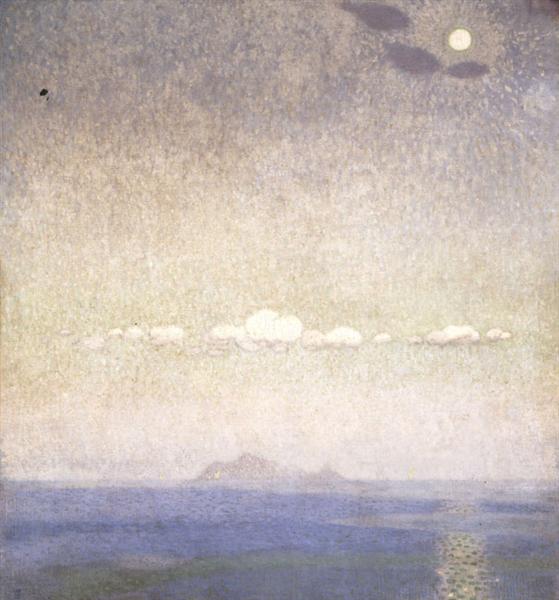
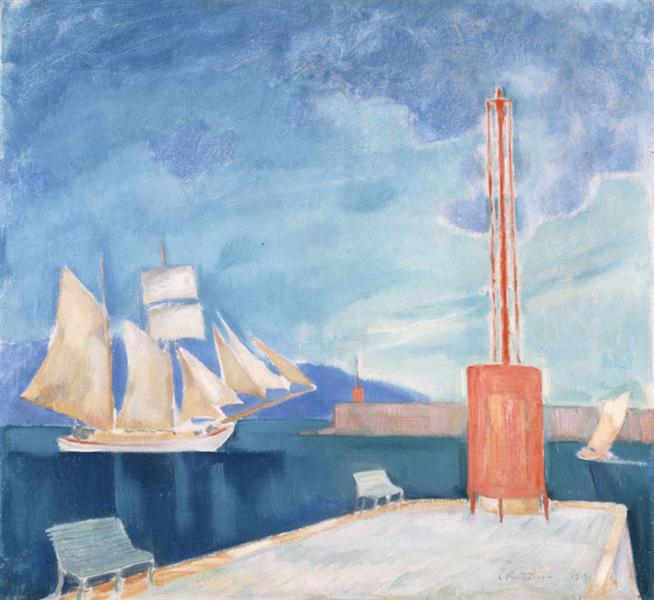
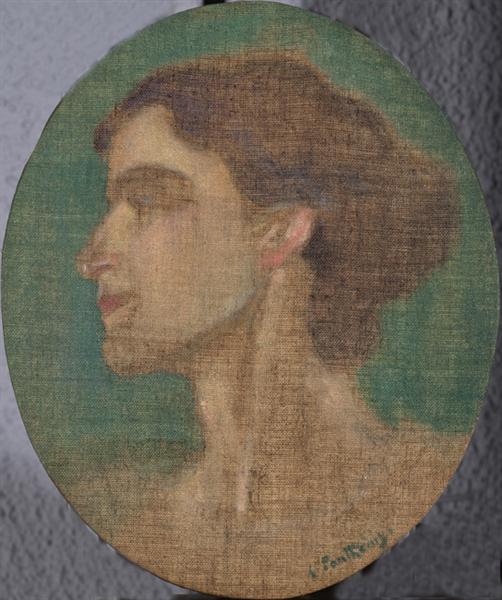
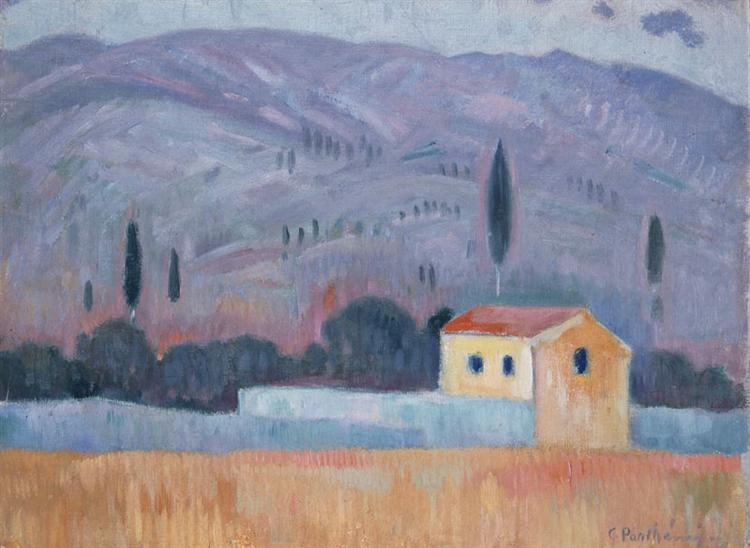
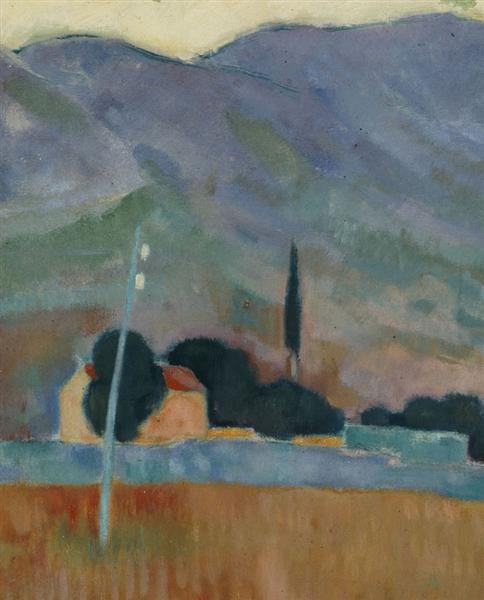
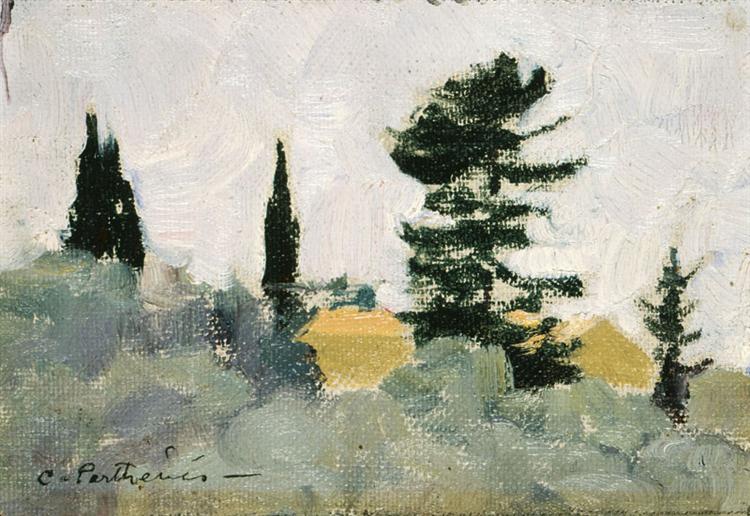
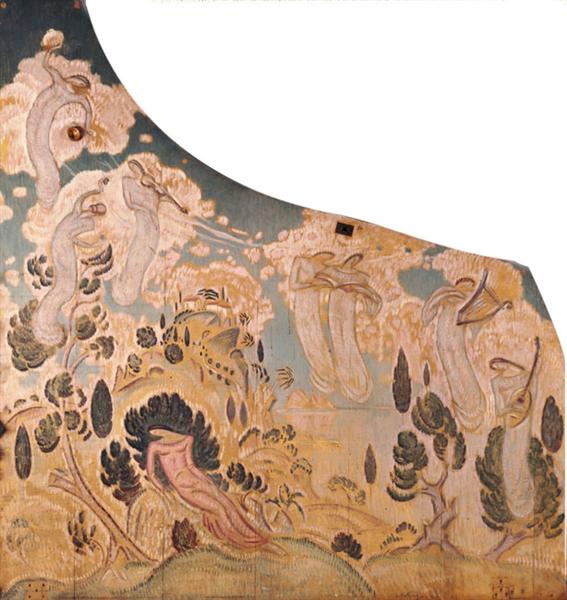
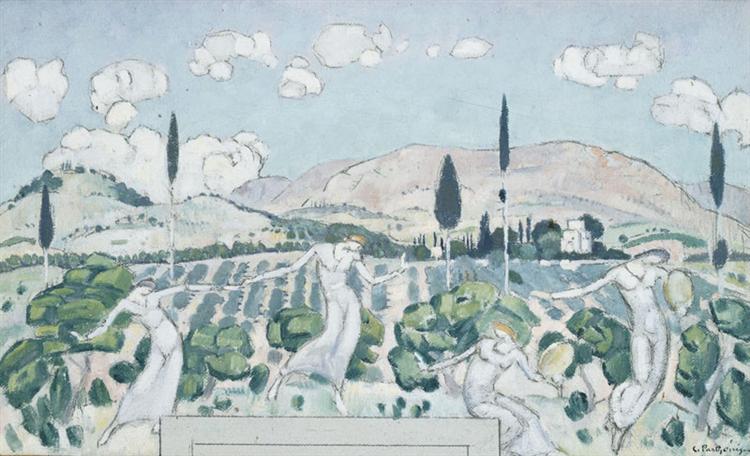
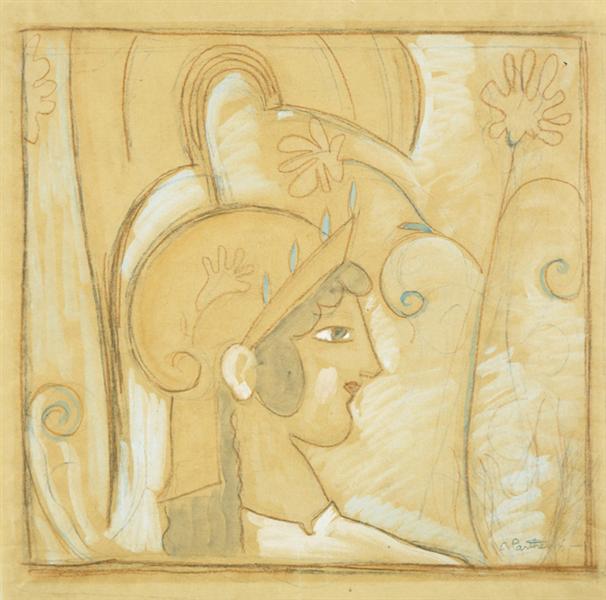
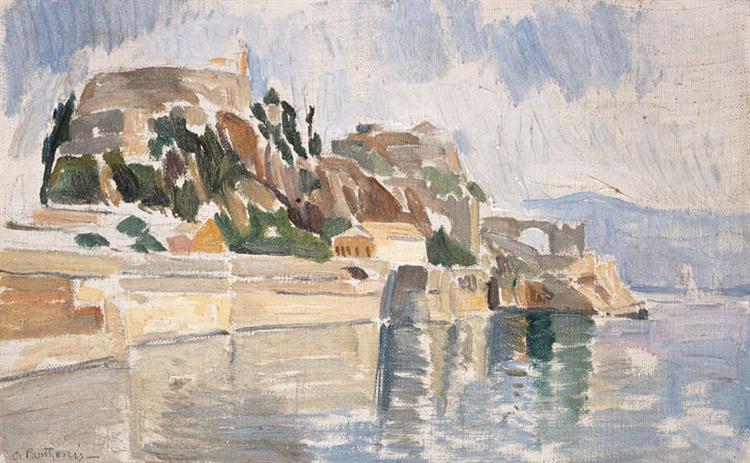
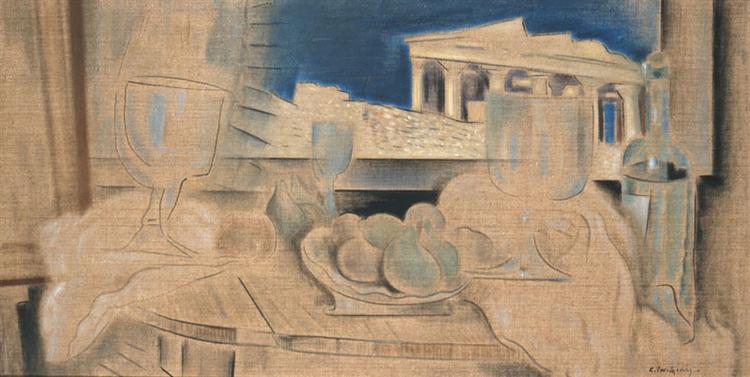
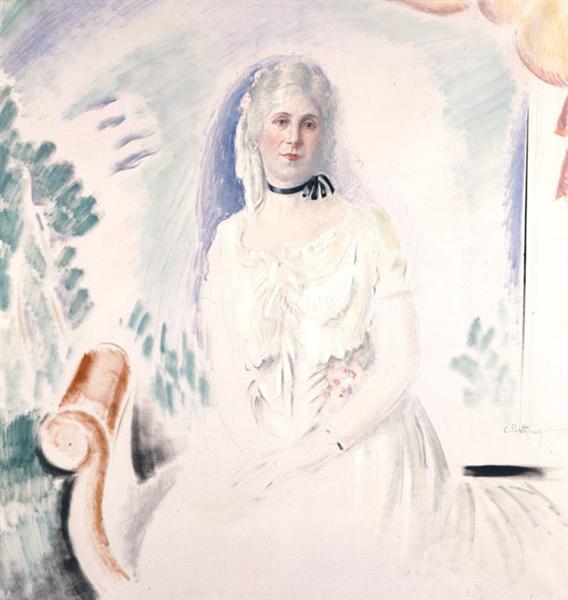
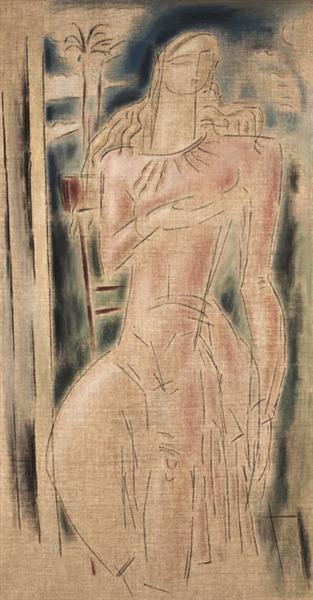
Konstantinos Parthenis represents the heroic phase of Greek modernism, which managed to break with the artistic establishment of Munich. The cosmopolitan background of this Alexandrian painter (Italy, Vienna, Paris) may well account for his idiosyncratic eclecticism. Nevertheless he succeeded in incorporating these various influences into his own unparalleled style marked by idealism, a certain “musicality” and rhythm, and the spiritual sublimation of his pictorial matter. His paintings executed in Vienna and in Greece during his first sojourn (1903-1907) reveal his strong attraction towards the Sezession, the Viennese version of Symbolism and Art Nouveau, and particularly Gustav Klimt: the development of the surface composition, the high horizon without a sky, the decorative schematization, the pointillisme, and the cold colours dominate these pictures. After his contact with Parisian avant-garde (1909-1911) and his return to Greece, Parthenis interpreted the Greek light through brighter colours, influenced by post impressionist painters and the fauves. The French symbolists, both the older, like Puvis de Chavannes, and the younger, like the Nabis, and in particular Maurice Denis, appear to have marked not only the morphology, but also the thematic choices of his work, as shown in the religious compositions and the idealistic allegories, which are prominent in the artist’s creations of the thirties. The Byzantine hagiographers and Domenicos Theotokopoulos (El Greco) may now be added to Parthenis’ masters, within the ideological horizon of the Generation of the Thirties. In his works of this period we can trace the impact of Cubism. Parthenis’ mature paintings present us with an ideal vision of Greece, its myths and history; in this the Olympian deities, the Byzantine saints and the heroes of the Greek War of Independence live together in harmony. His ideal figures are suspended in a type of transcendental space where time has been abolished and the remains of the visible world have turned into platonic archetypes, with the help of an impalpable technique. The pigments have lost their material quality, turning into a purely spiritual projection. Parthenis’ mature works recall supernatural acts featuring divine epiphanies.
Timeline
Born 1878 — Died 1967
1890s
1930s


1950s