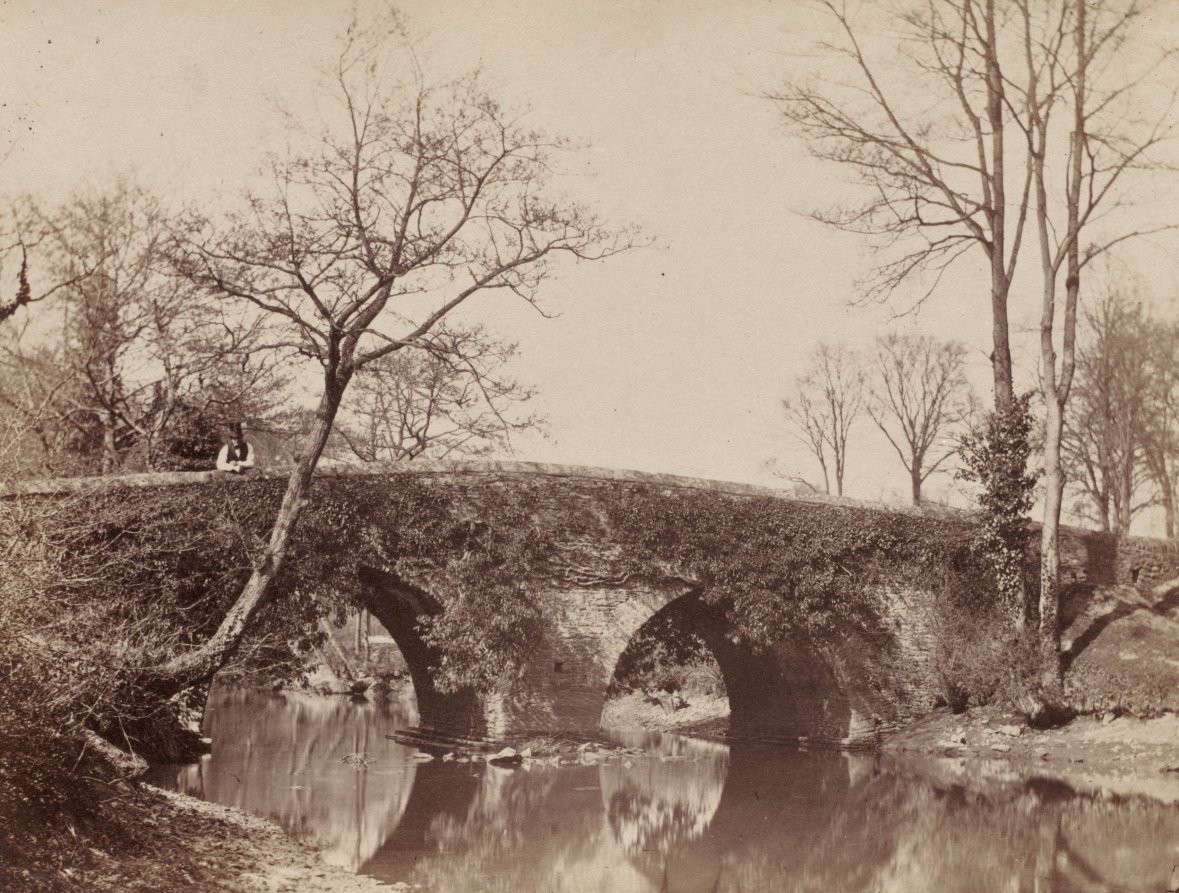
John Dillwyn Llewelyn (British, 1810–1882)
b. 1810 — d. 1882
John Dillwyn Llewelyn British, b. Wales, 1810-1882 Born in Swansea as John Dillwyn, Llewelyn took the surname of his maternal grandfather when he came of age and began to manage the family's estate. He was presumably introduced to photography through his wife, Emma Talbot, a cousin of William Henry Fox Talbot. The son of a member of Parliament, Llewelyn was a Fellow of the Royal Society and the Linnaean Society of London, as well as a member of the Photographic Exchange Club and the Amateur Photographic Association. The family's estate, Penllergare, in Glamorganshire, South Wales, was already alive with Victorian pursuits such as astronomy, botany, and art, and became a key center of important amateur photography work in Britain. The Llewelyns' circle included a host of excellent amateurs, including their daughter Thereza, her husband, Nevil Story-Maskelyne, James Knight, the Reverend Calvert Richard Jones, Jr., and Philip Henry Delamotte. Llewelyn himself developed a distinctive, low-key, almost domestic style, and is also known for inventing the oxymel process, a "dry" collodion method that extended the field life of wet plate negatives. T.W.F.