Henri Matisse
Le Cateau-Cambrésis, France · b. 1869 — d. 1954
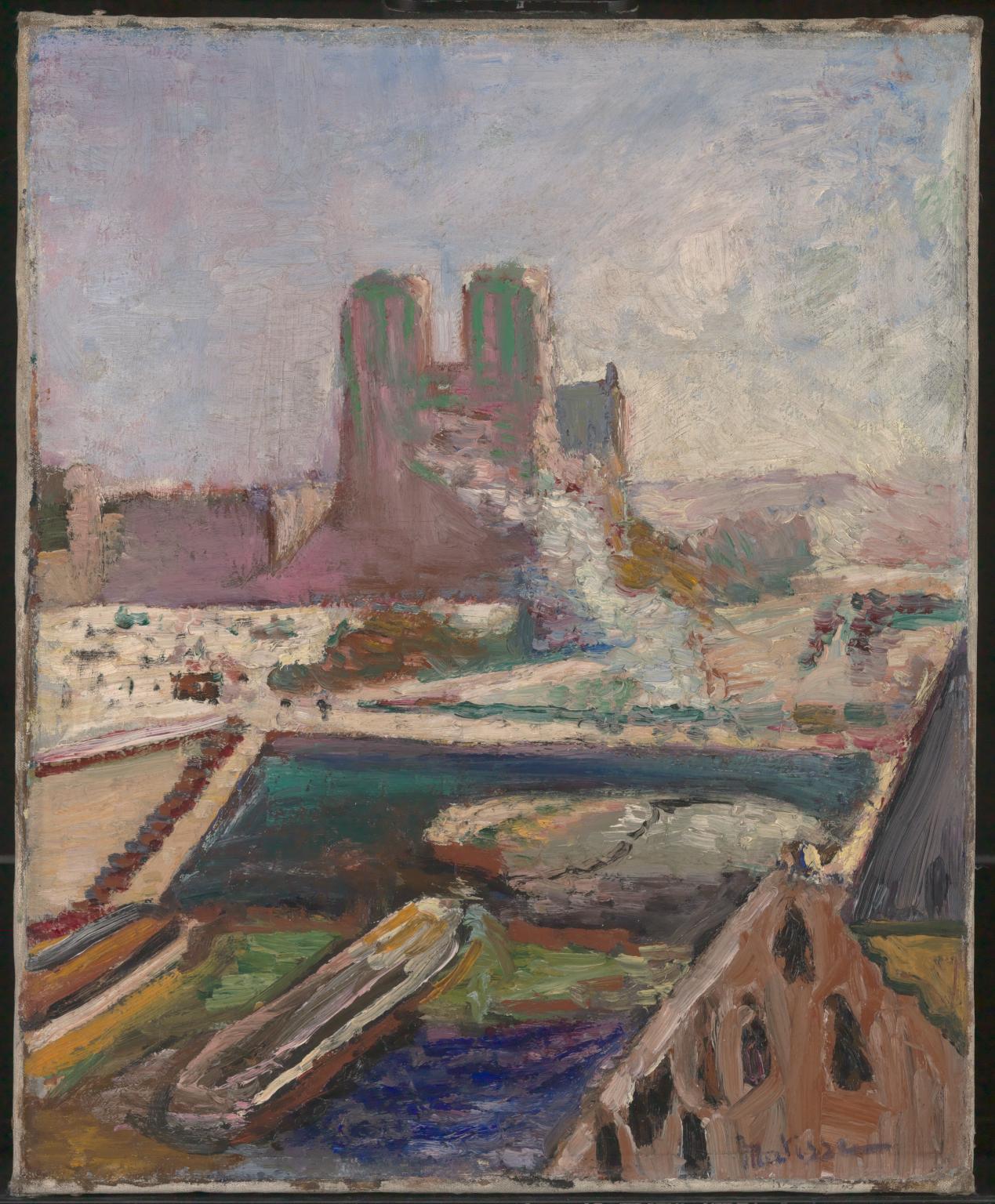
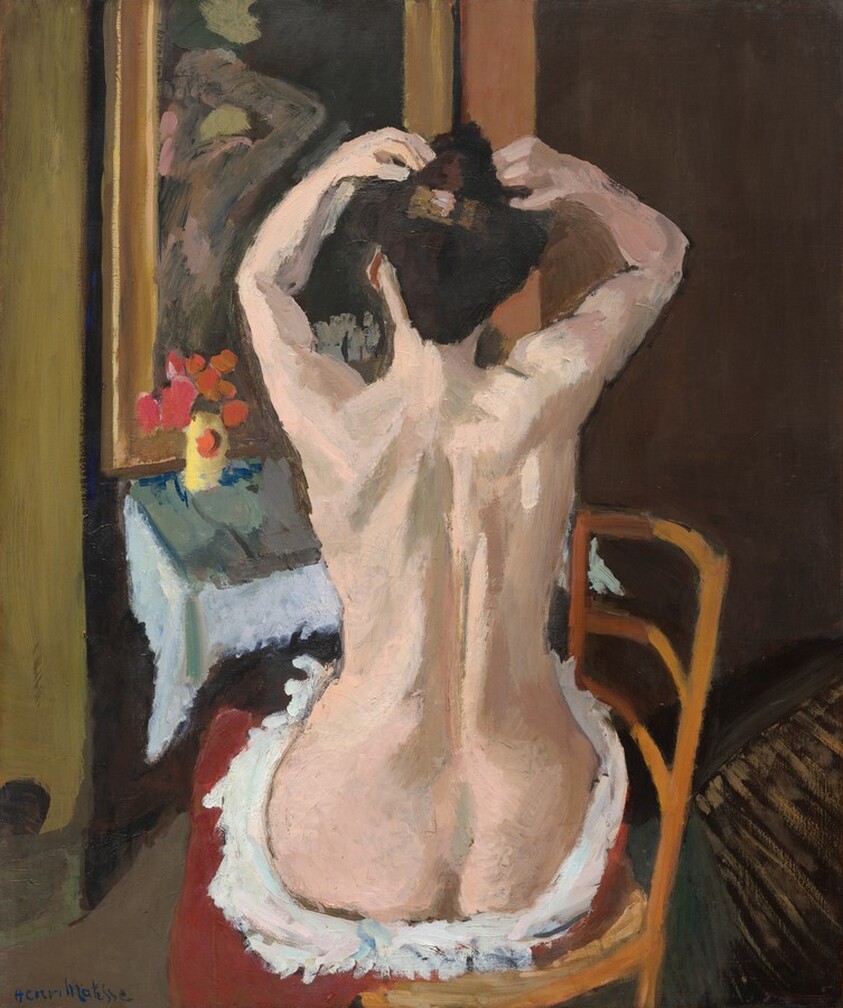
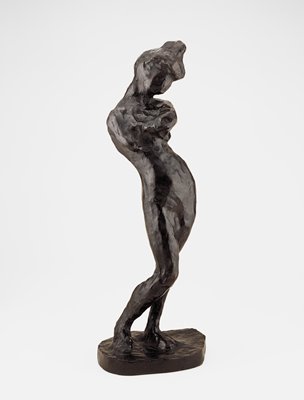
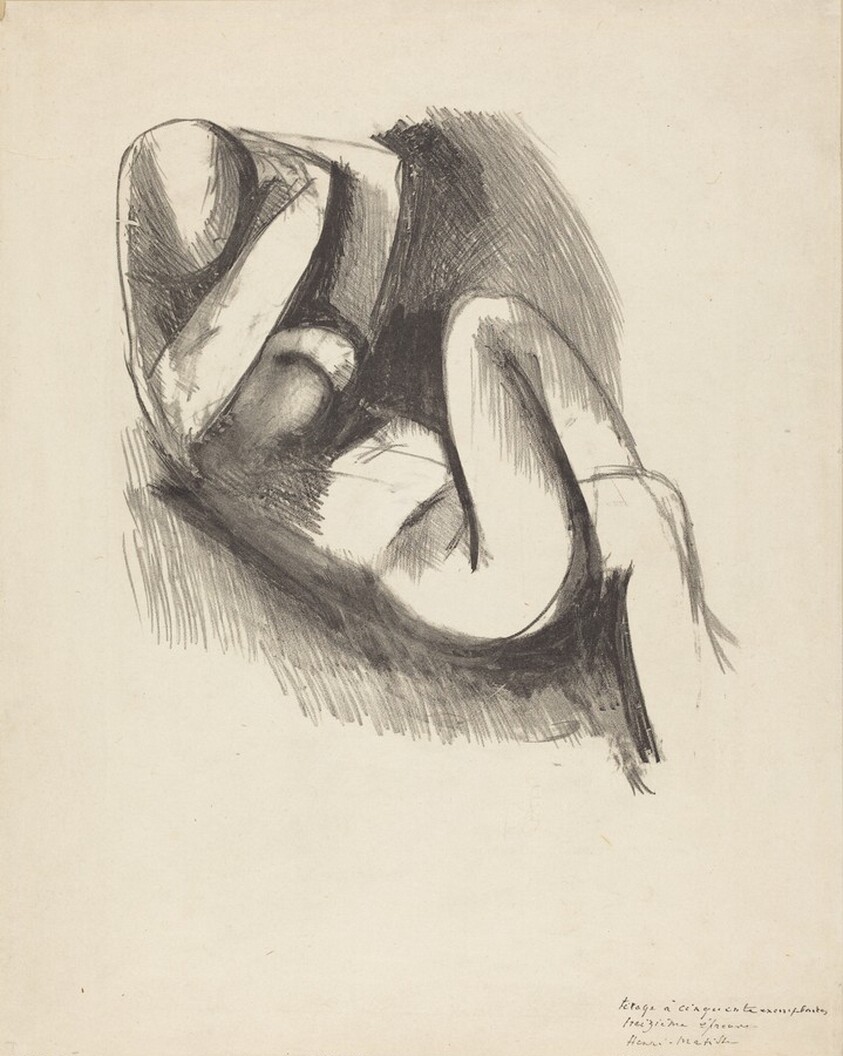
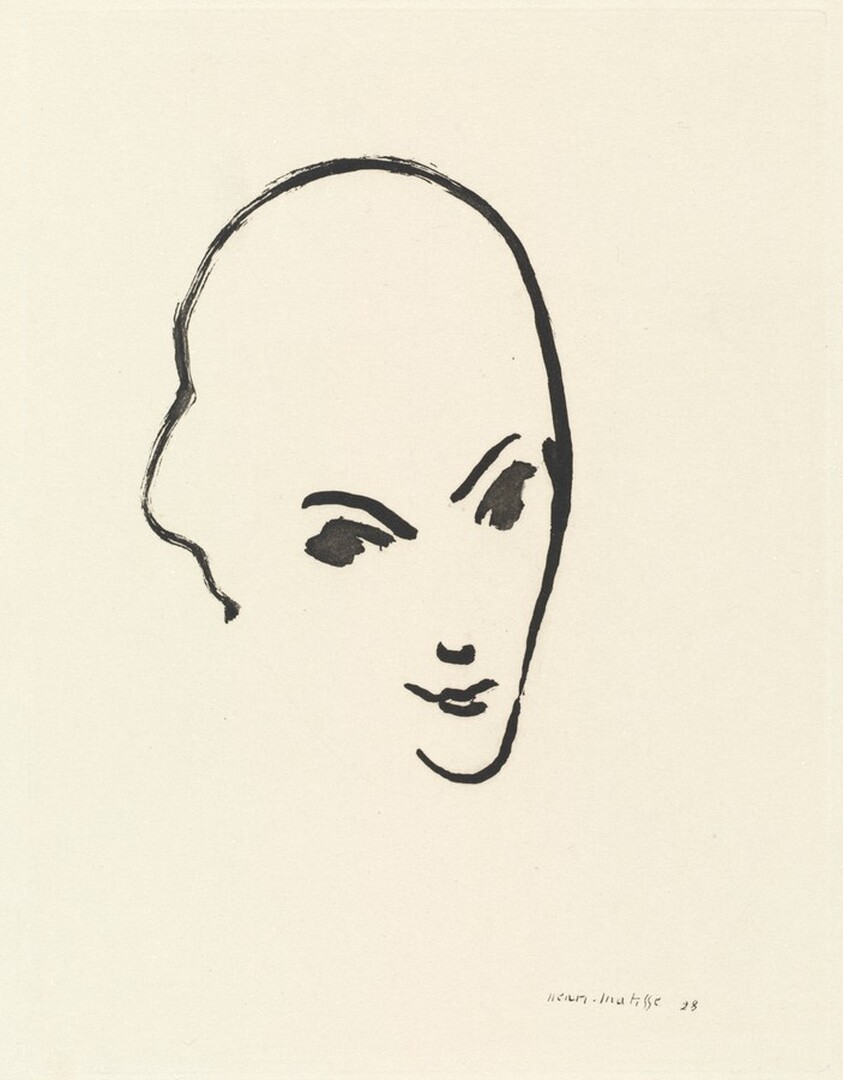
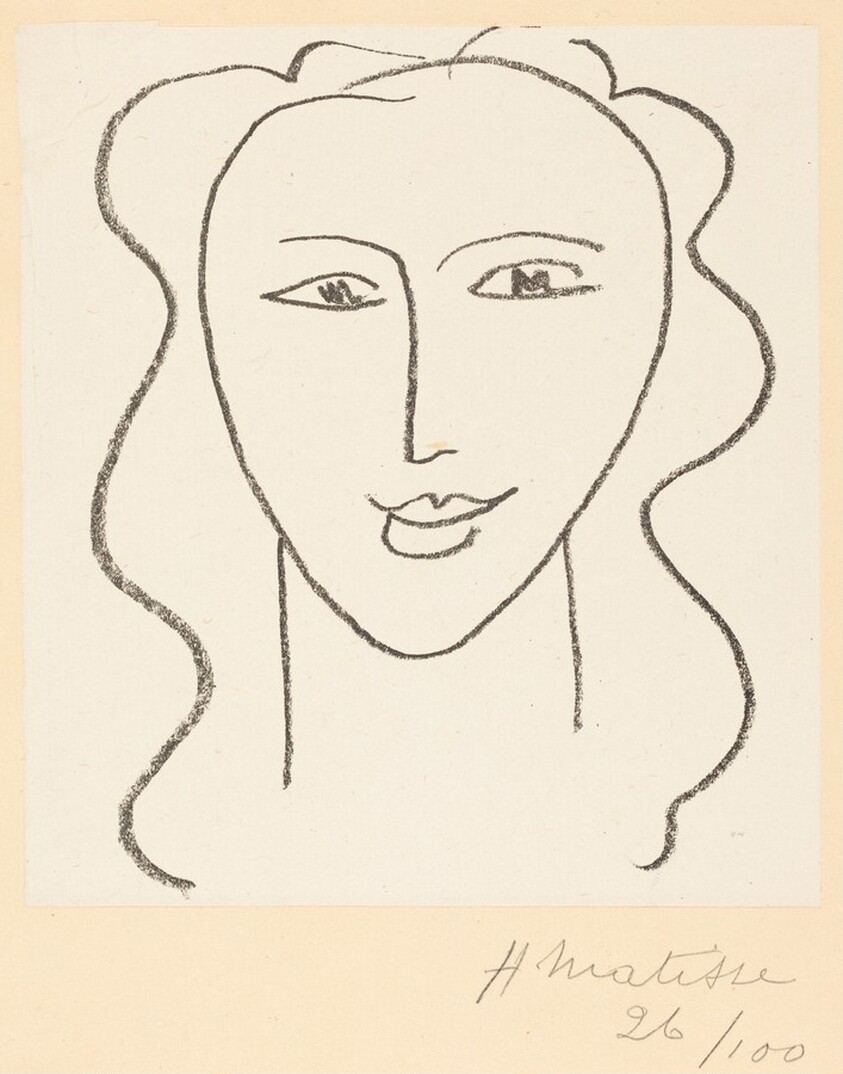
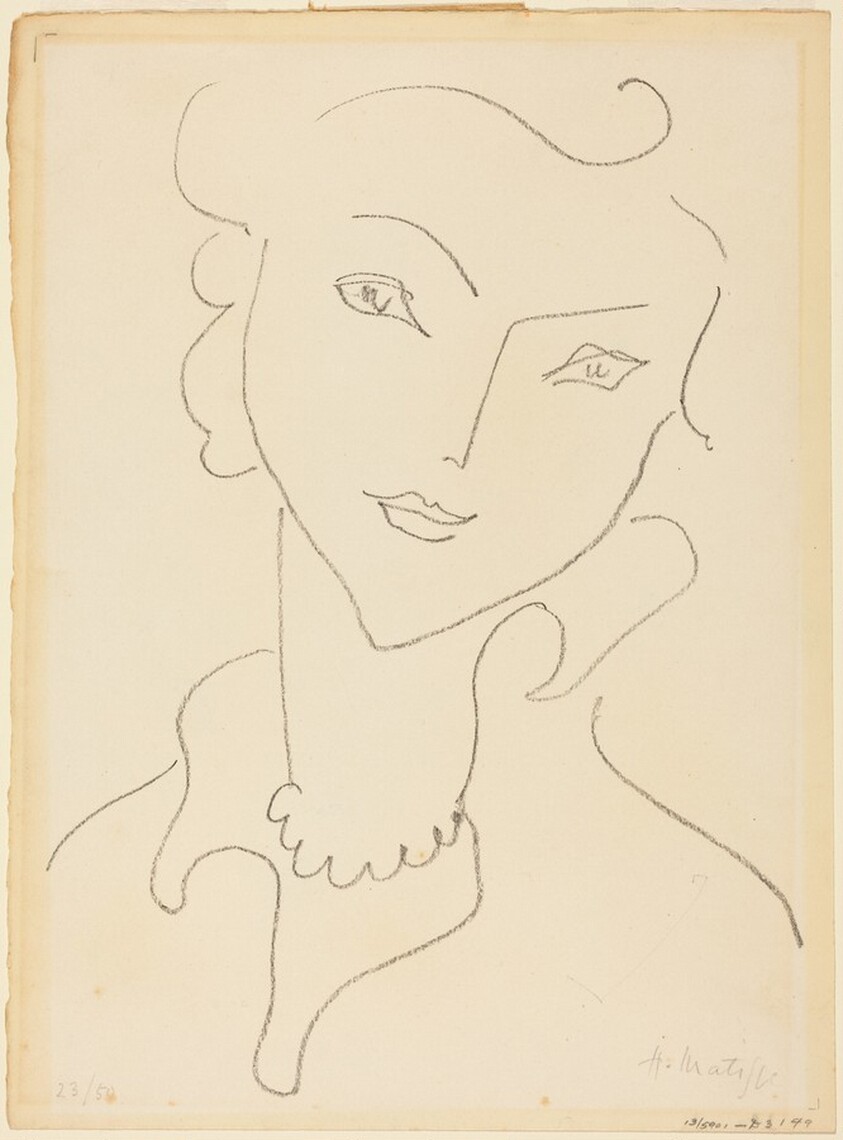
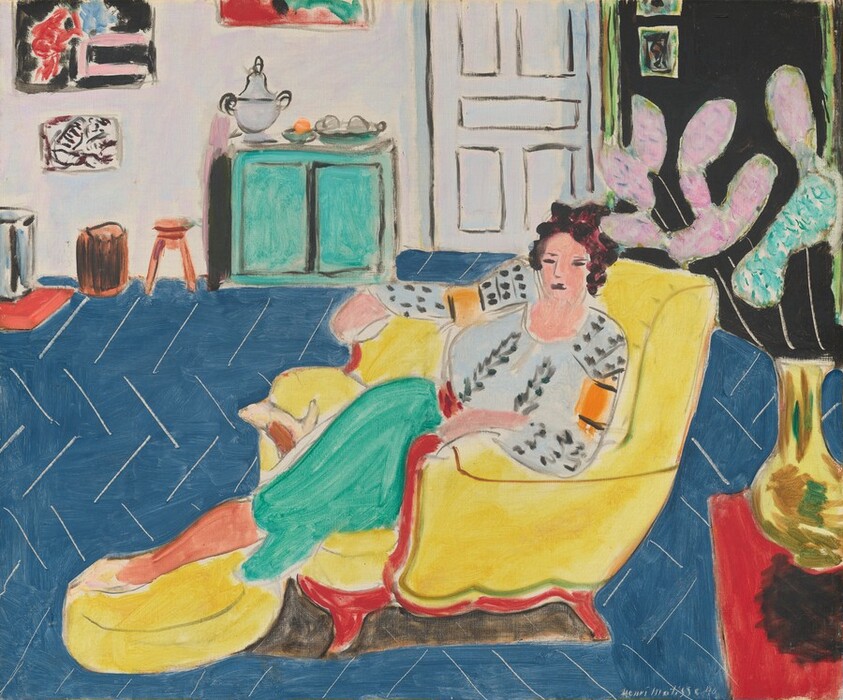
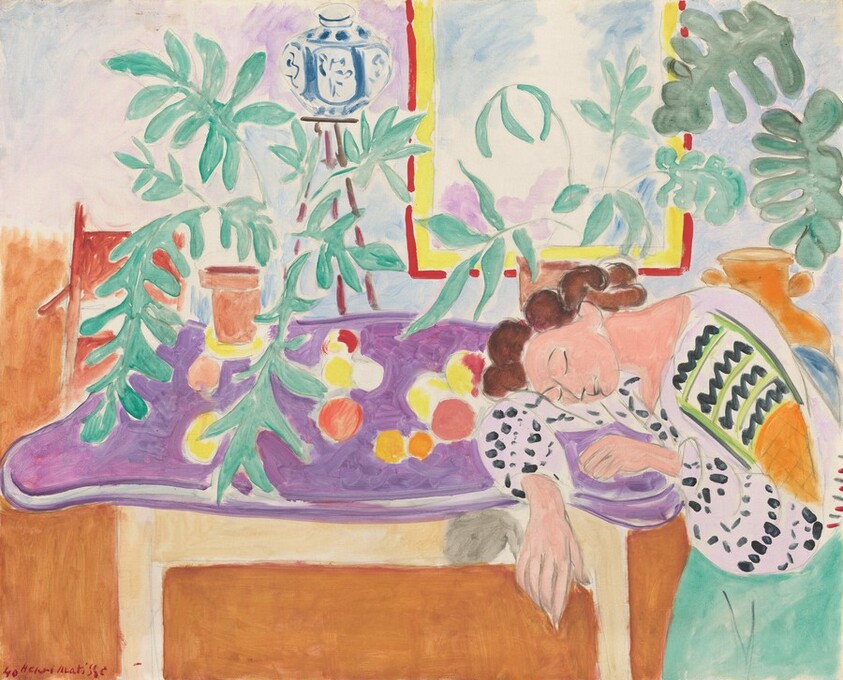
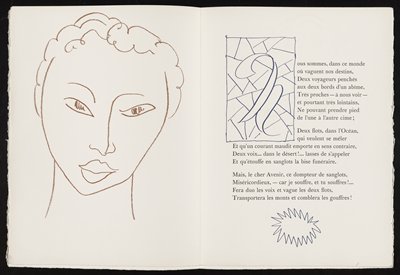
Henri Matisse (1869–1954) was a pioneering figure in 20th-century art, whose bold innovations using color and form as structural, almost sculptural elements, redefined the visual language of modern painting, drawing, and sculpture. Born in northern France to a family of weavers, Matisse inherited an affinity for craft, color, and pattern that informed his artistic approach. While he initially studied law, he abandoned it at age 20 to pursue art in Paris. Building on the innovations of Post-Impressionists like Paul Cezanne [https://www.artic.edu/artists/40482/paul-cezanne], Paul Gauguin [https://www.artic.edu/artists/34611/paul-gauguin], and Vincent van Gogh [https://www.artic.edu/artists/40610/vincent-van-gogh], Matisse created paintings characterized by vivid hues and loose, expressive brushwork. In response, critics pejoratively referred to Matisse and his like-minded peers as the “Fauves” or “wild beasts.” This departure from traditional representation laid the foundation for five decades of experimentation. As Matisse wrote in his 1908 essay “Notes of Painter”: “Expression, for me, does not reside in passions glowing in a human face or manifested by violent movement. The entire arrangement of my picture is expressive.” Throughout his career, Matisse was profoundly informed by travel—from Southern Europe to North Africa and the isles of France. In 1917, he first visited the southern French city of Nice and began his celebrated series of Nice interiors. These works, filled with sensuous color, patterned textiles, and Mediterranean light, marked a shift toward a more stylized and decorative means of representation as exemplified by Interior at Nice [https://www.artic.edu/artworks/2816/interior-at-nice] (1919 or 1920). In the decades between the two World Wars, Matisse worked across painting, drawing, and sculpture. His sculptural work often distilled the human figure to its essential shapes, emphasizing fluidity and balance over realistic detail, as seen in the bronze sculpture Seated Nude [https://www.artic.edu/artworks/7124/seated-nude] (1922–29, cast 1951). After World War II, health issues limited his mobility, leading to a transformative shift in his practice. From bed or a wheelchair, he pioneered his cut-paper technique, creating the vibrant Jazz series, published as an artist book in 1947, and later the monumental cut-outs. In a career marked by ceaseless innovation, Matisse considered his monumental painting Bathers by a River [https://www.artic.edu/artworks/79307/bathers-by-a-river] (1909–10, 1913, and 1916–17), in the Art Institute’s collection, one of the five most pivotal works of his career. The Art Institute is proud to have been one of the first American museums to present Matisse’s work to audiences in the US with the 1913 Armory Show [https://www.artic.edu/exhibitions/4568/international-exhibition-of-modern-art-the-armory-show] and have long dedicated exhibitions [https://www.artic.edu/search/exhibitions?q=%22Matisse%22] to the pioneering artist, including most recently Matisse: Radical Invention, 1913–1917 [https://www.artic.edu/exhibitions/860/matisse-radical-invention-1913-1917] as well as the upcoming Matisse’s Jazz: Rhythms in Color.
Timeline
Born 1869 — Died 1954


1900s


1910s


1920s



1930s

1940s
1950s
1980s