Hans Memling
b. 1430 — d. 1494
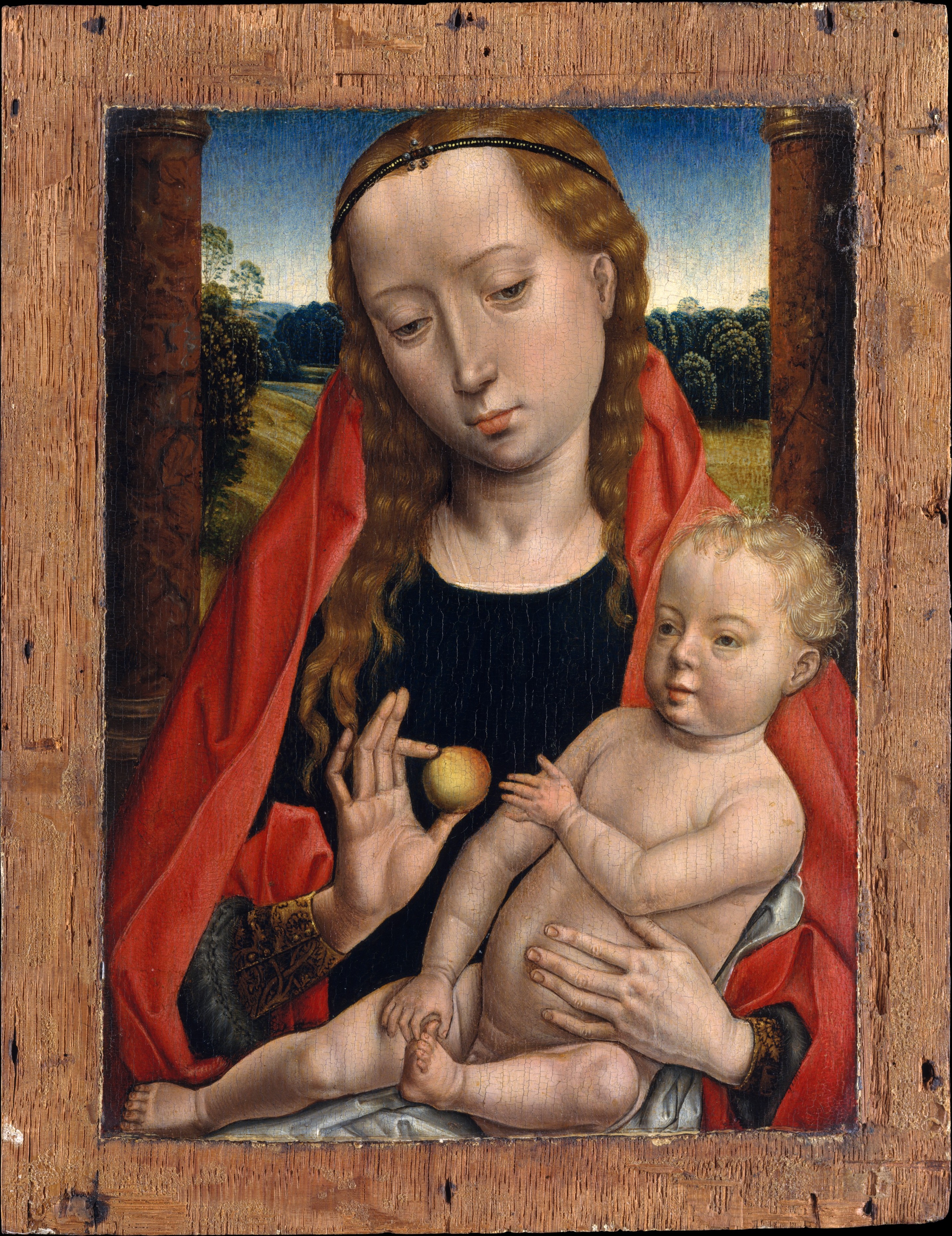
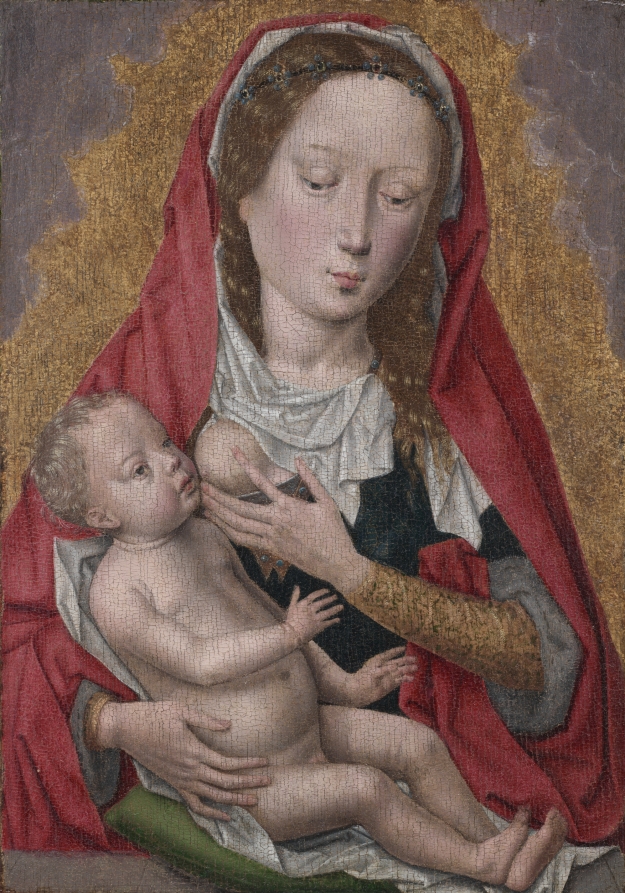
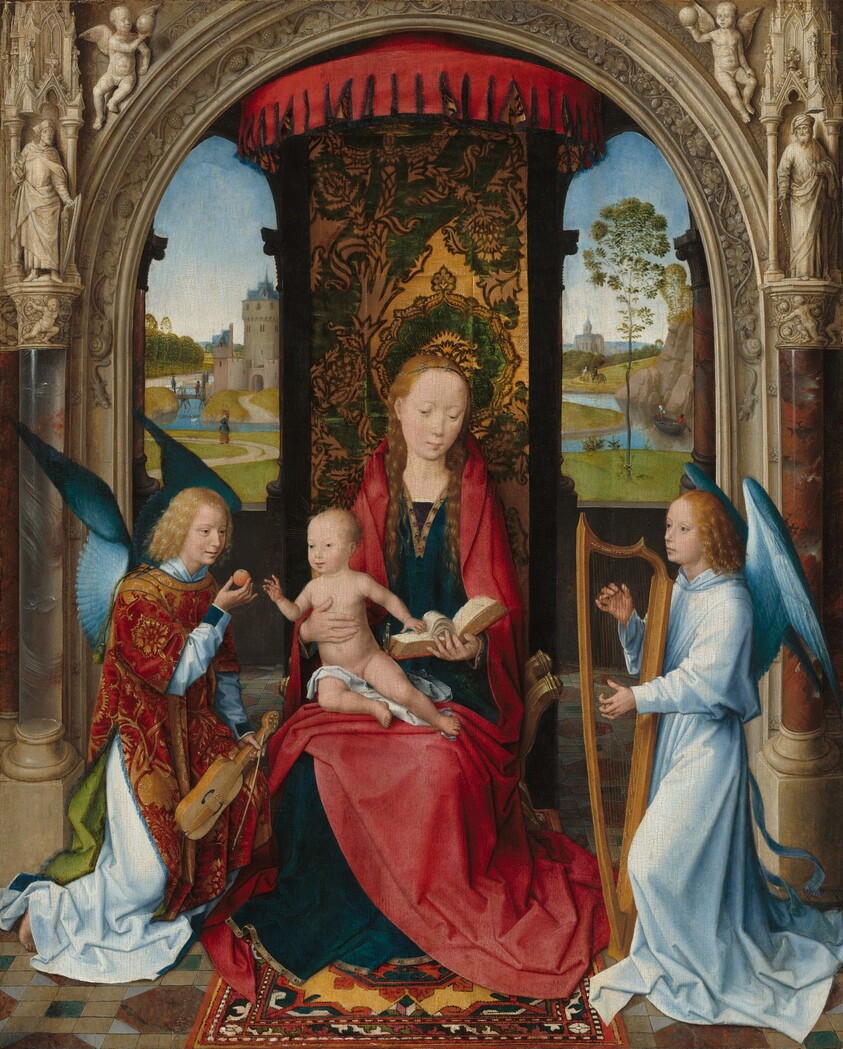
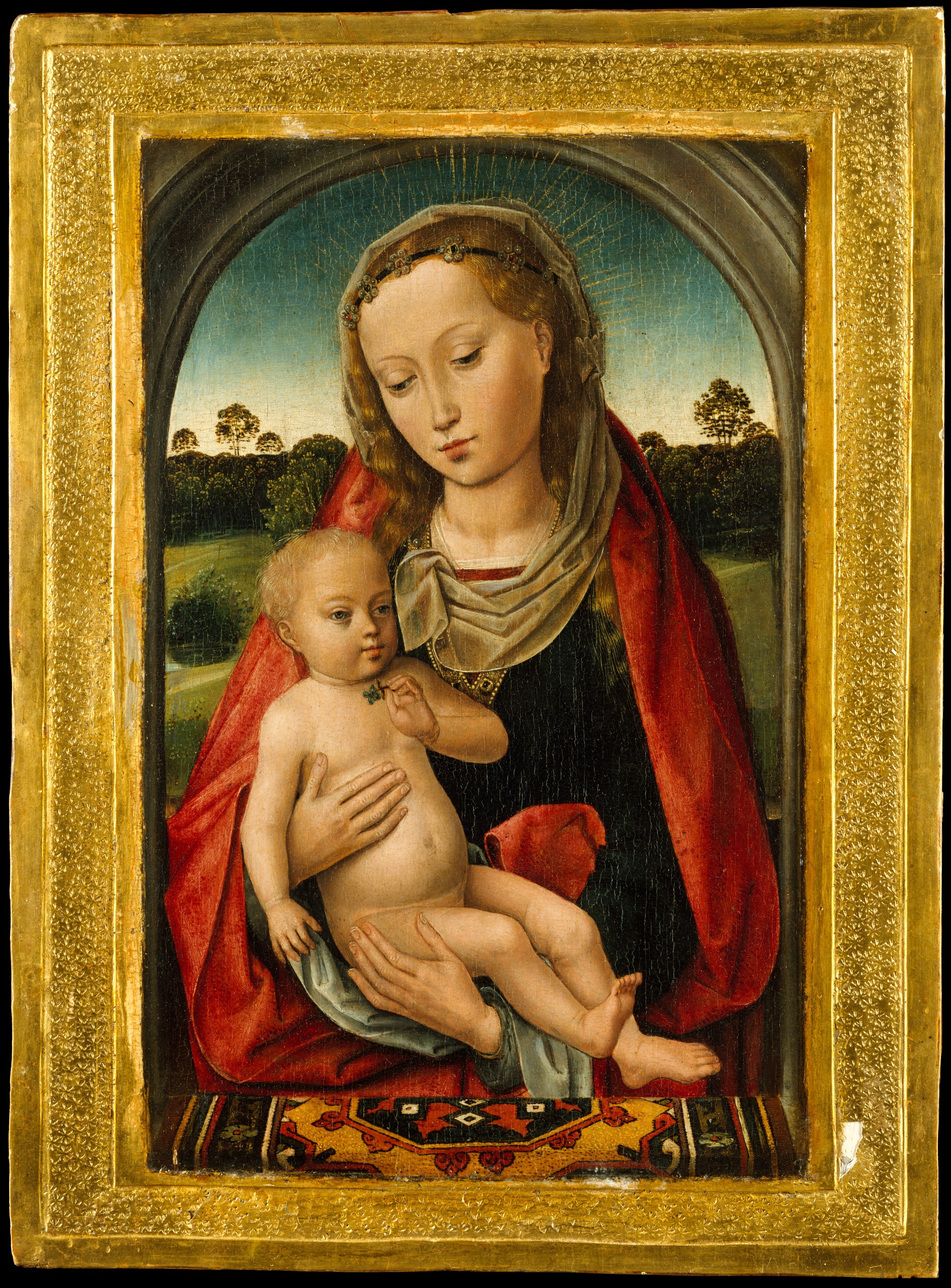
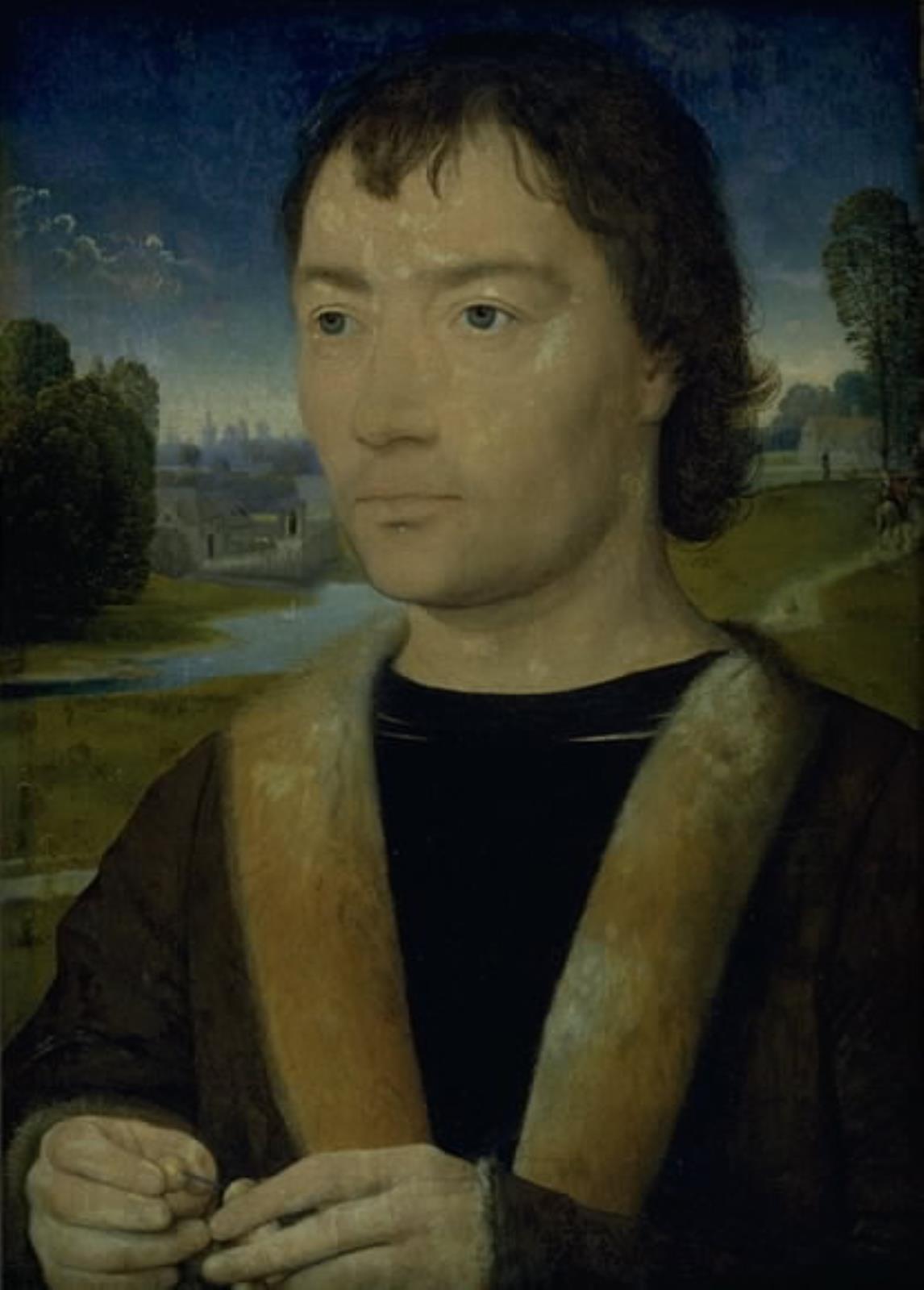
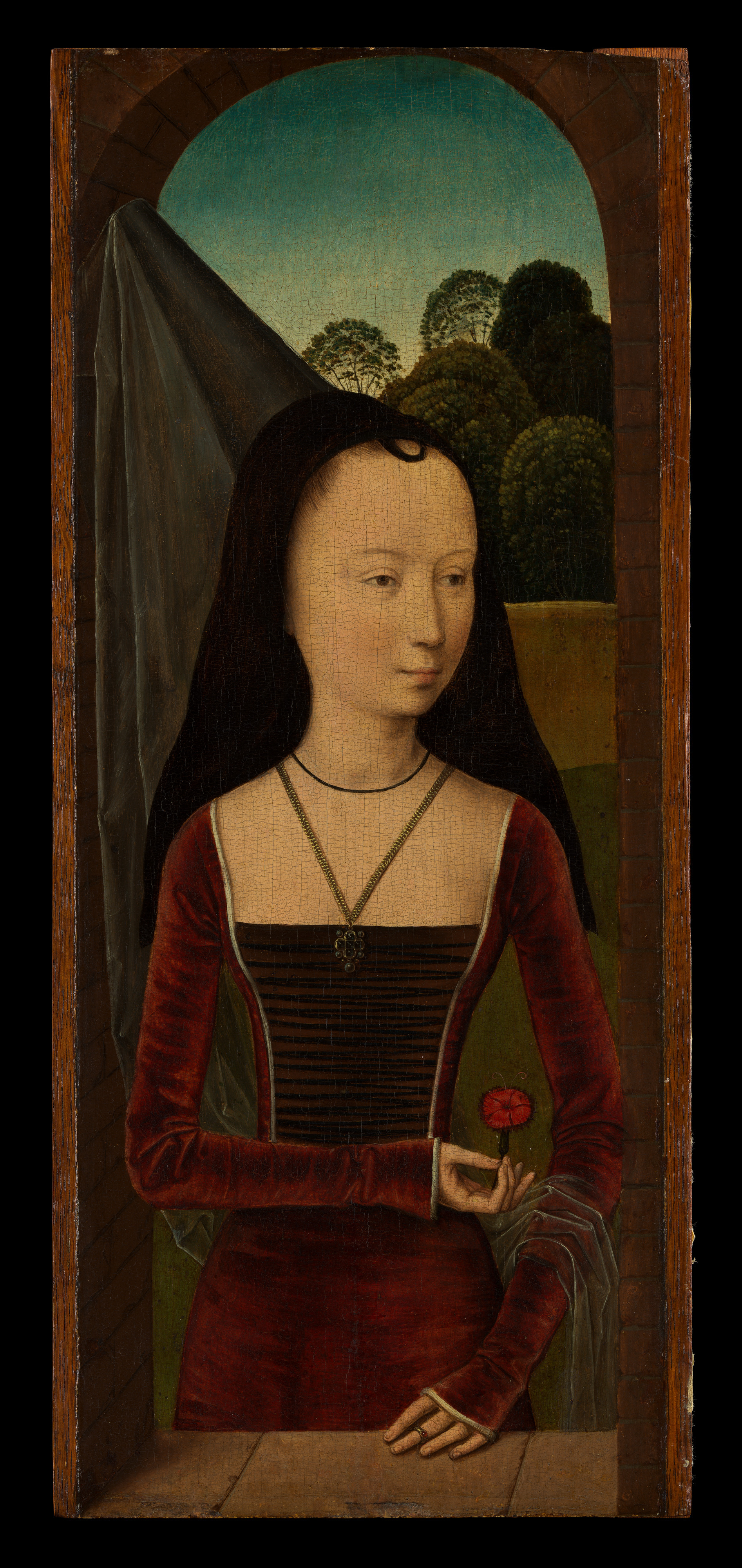
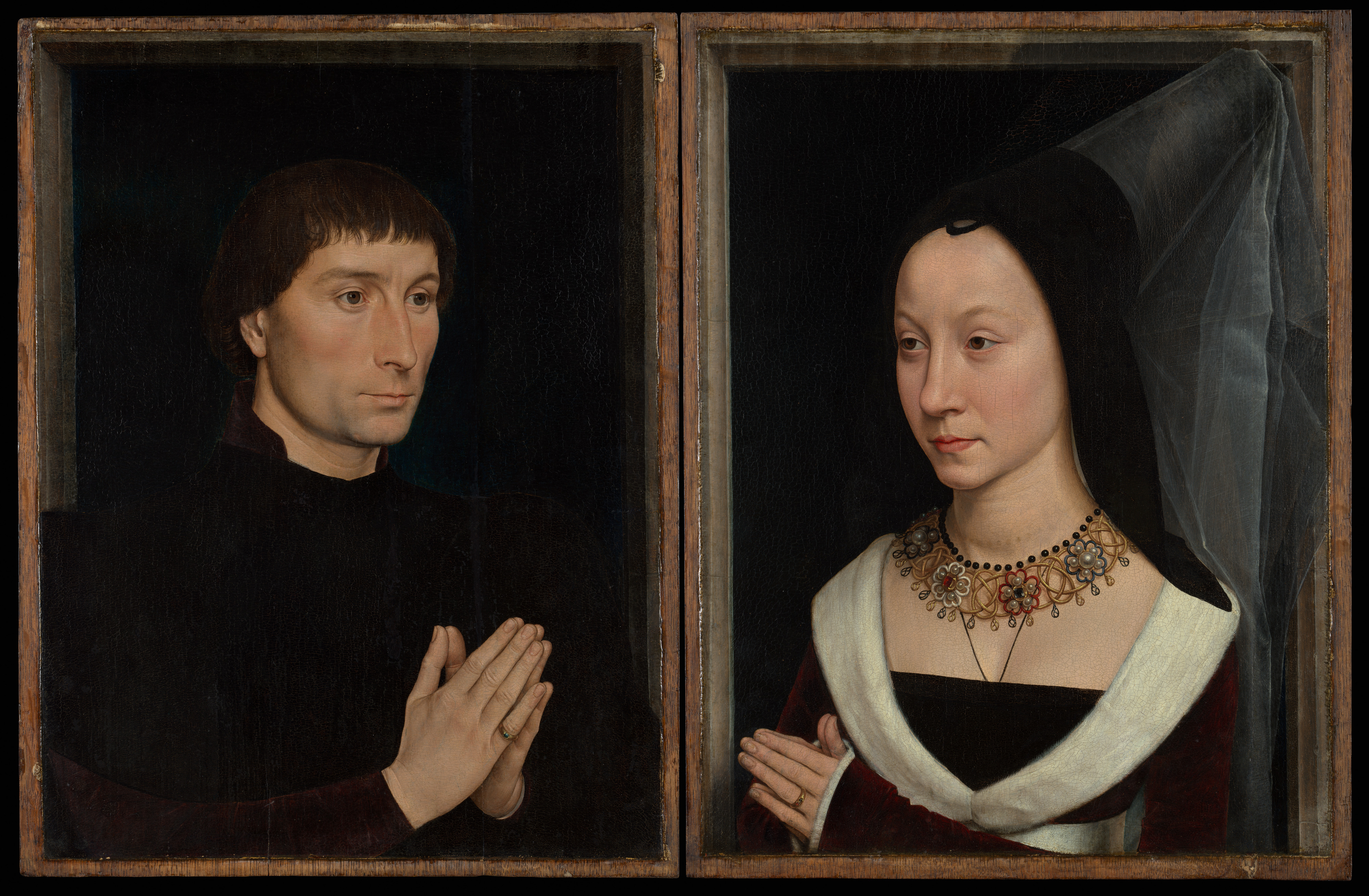
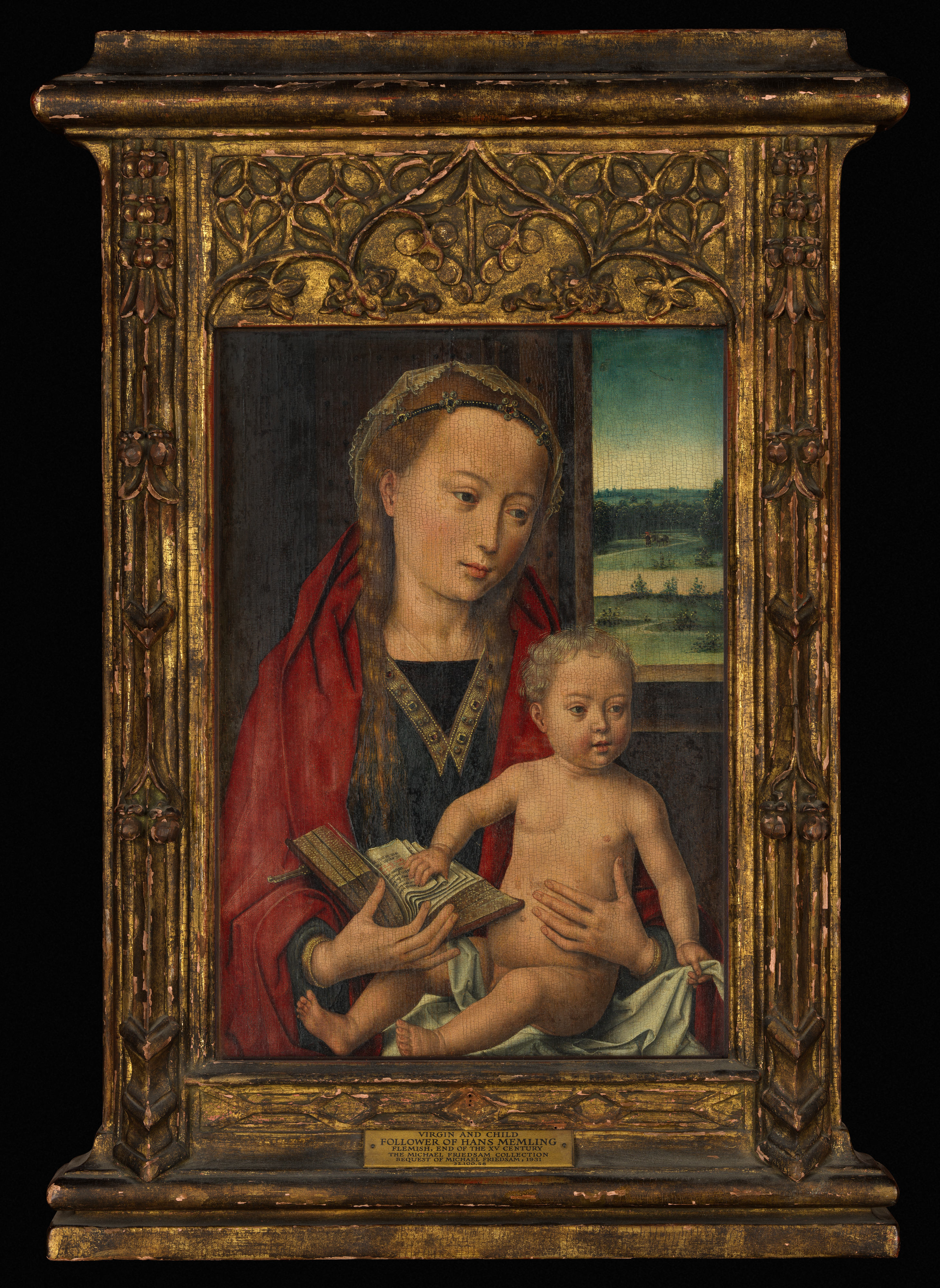
One of the most important painters in the southern Netherlands in the second half of the 15th century, Hans Memling was part of the generation that followed Jan van Eyck [https://www.artic.edu/artists/41437/jan-van-eyck] and Rogier van der Weyden [https://www.artic.edu/artists/28375/rogier-van-der-weyden]. He likely trained in Brussels with both predecessors, learning from each about their use of optical realism within stylized compositions. Memling worked for an international clientele of burghers, churchmen, and aristocrats in the banking city of Bruges. His approximately 90 surviving paintings display a formal balance as well as a sensitivity to reflective surfaces, a sculptural approach to the human body, and clearly articulated light. The Virgin and Child [https://www.artic.edu/artworks/16295/virgin-and-child], which would have originally been joined with a portrait of a man in prayer, shows Memling’s reinterpretation of Van der Weyden’s elegant devotional diptychs. Memling chose to extend the domestic interior of the Virgin and Child painting into the donor’s portrait, merging the two backgrounds into a unified secular space. Memling’s images typically incorporate a lush landscape in the background, as can be seen here through the window behind the head of the Christ Child. The back (verso) of the Virgin and Child presents a depiction of Saint Anthony of Padua [https://www.artic.edu/artworks/79777/saint-anthony-of-padua], a saint beloved in Spain and Italy, which suggests that it was commissioned by one of Memling’s many foreign patrons. Memling’s plastic forms, rich palette, and elegant gestures would later serve as inspiration to such expressive artists as Alfred Stevens [https://www.artic.edu/artists/36802/alfred-stevens] in the 19th century.
Timeline
Born 1430 — Died 1494
1440s

1460s
1470s
![Saint Veronica [obverse]](https://api.nga.gov/iiif/8788f9a6-142d-40b7-953b-a9a208ff2eef/full/843,/0/default.jpg)
![Chalice of Saint John the Evangelist [reverse]](https://api.nga.gov/iiif/1a761edd-c52e-47c0-b422-df074e14c803/full/843,/0/default.jpg)
1480s

1500s