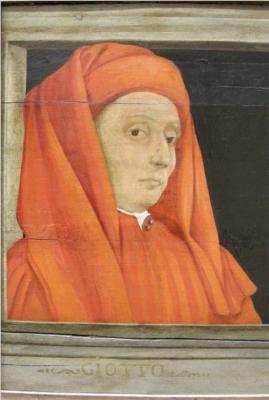
Giotto
b. 1266 — d. 1337
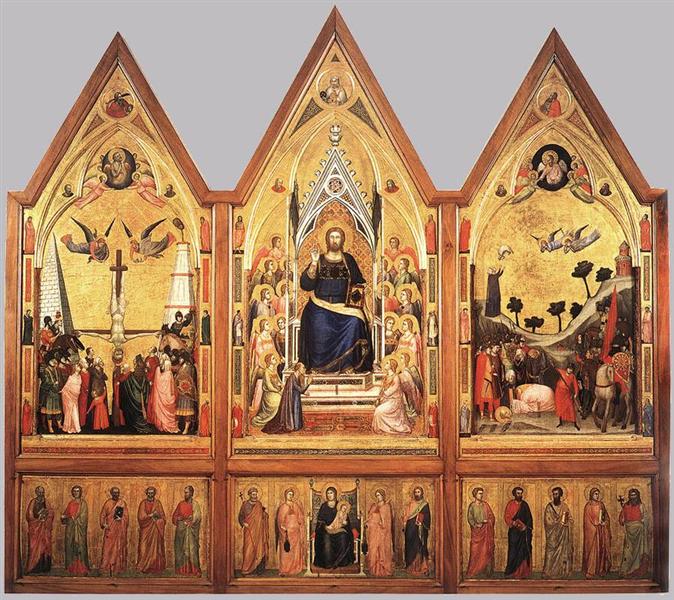
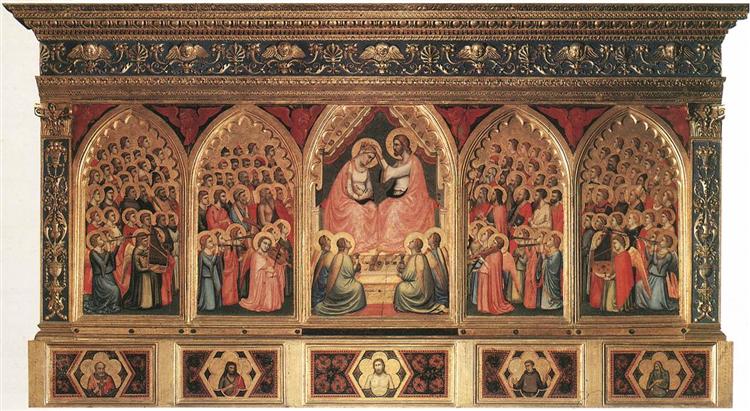
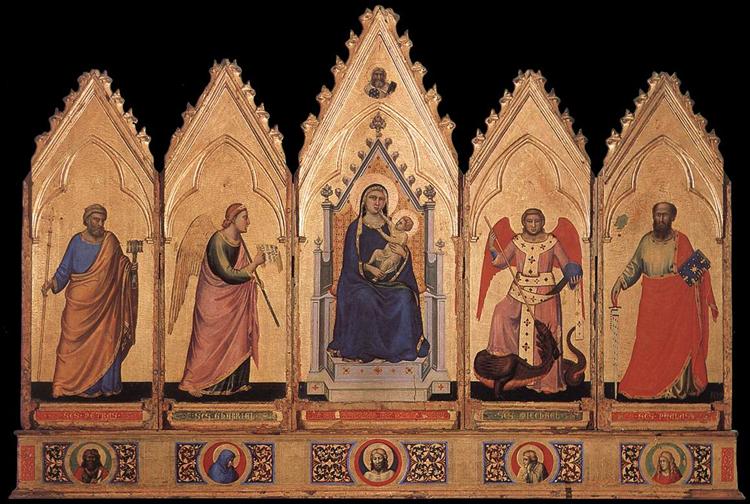
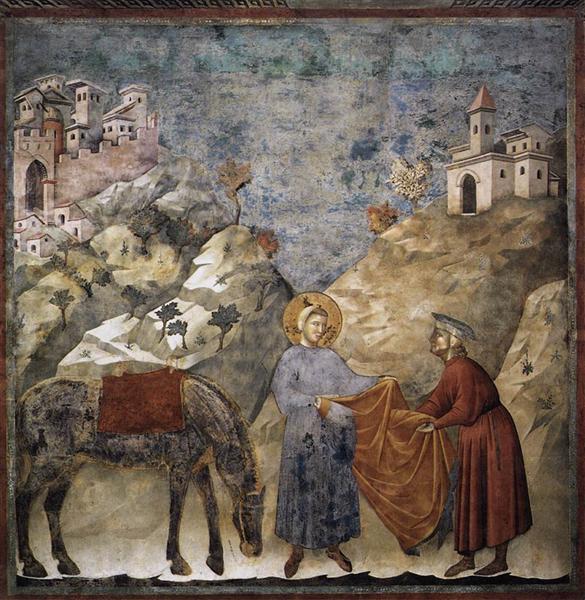
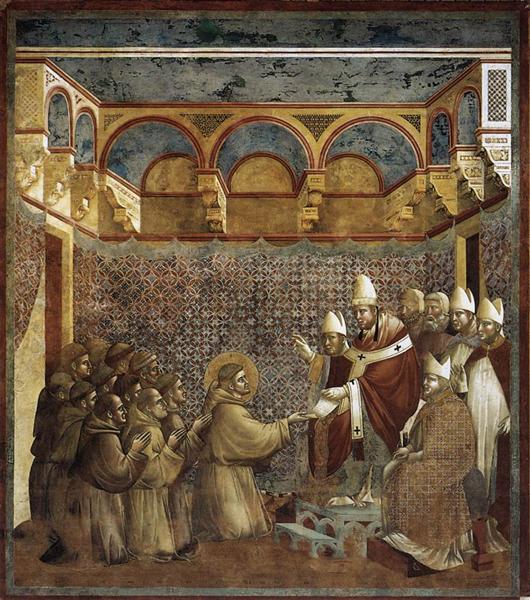
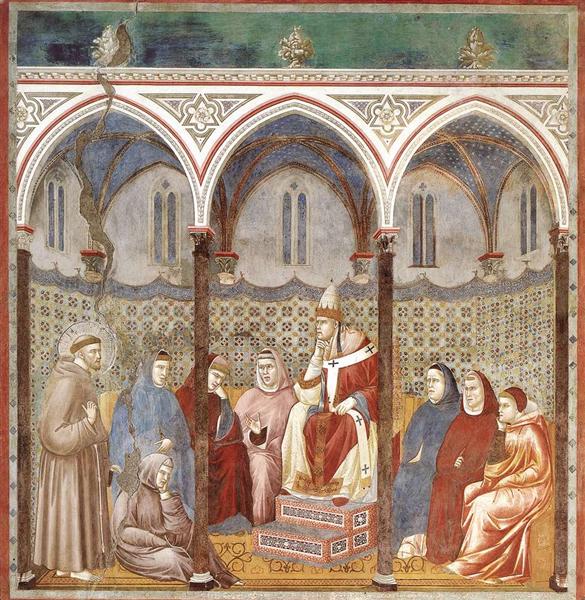
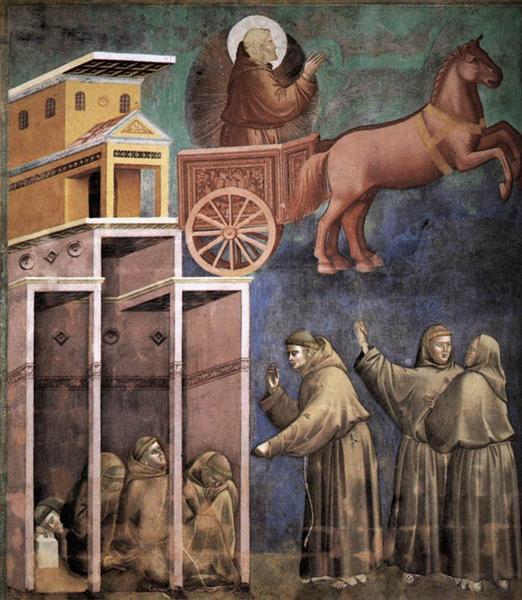
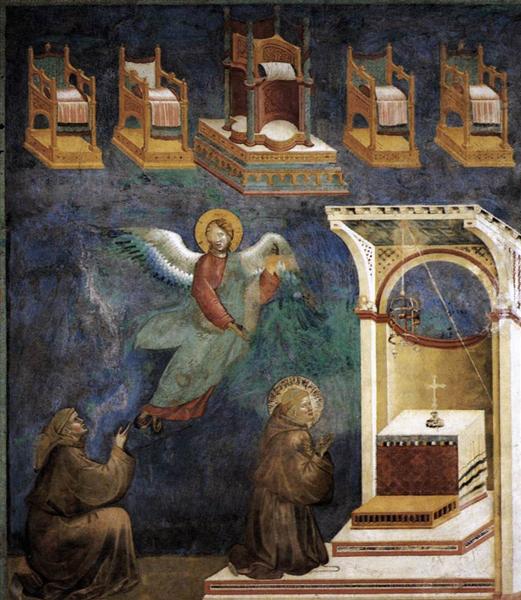
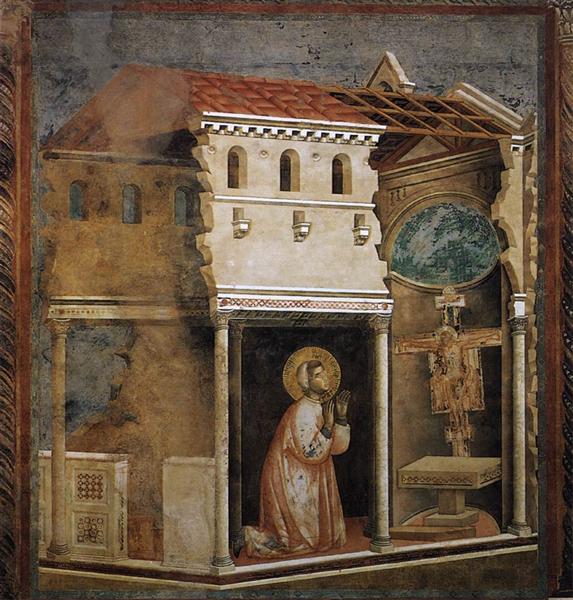
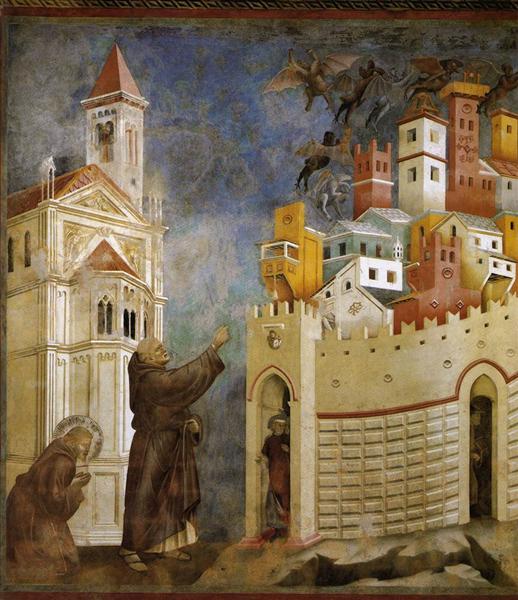
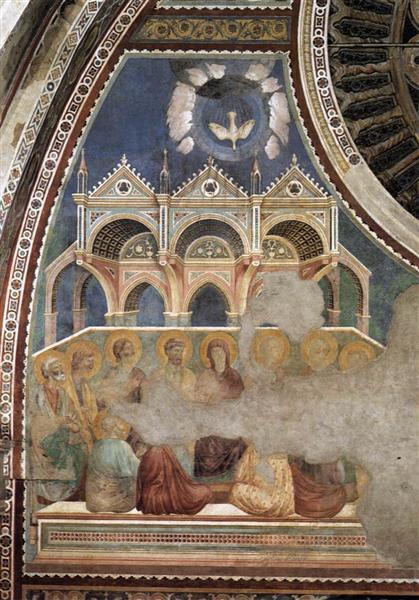
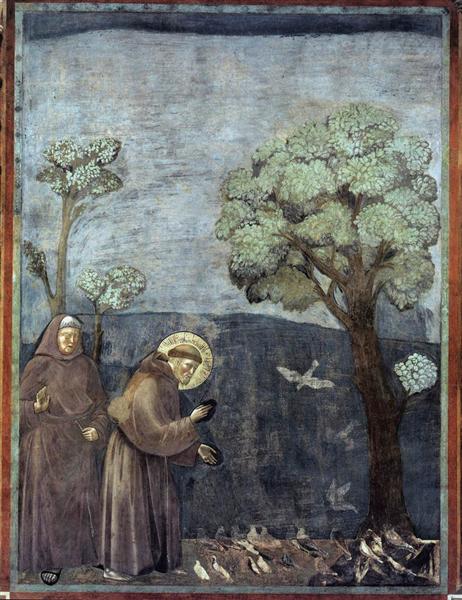
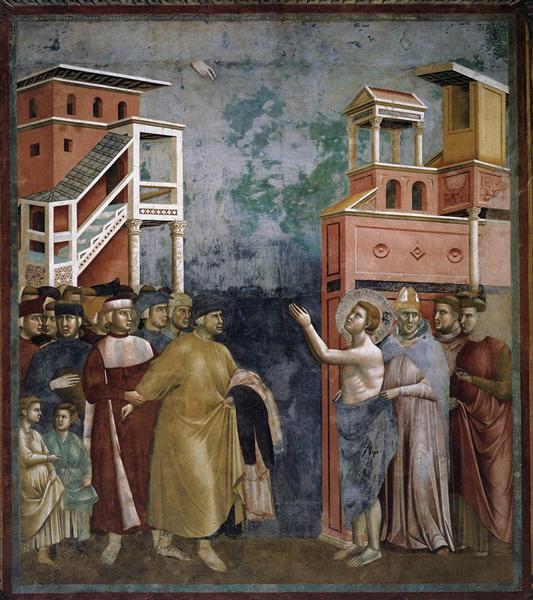
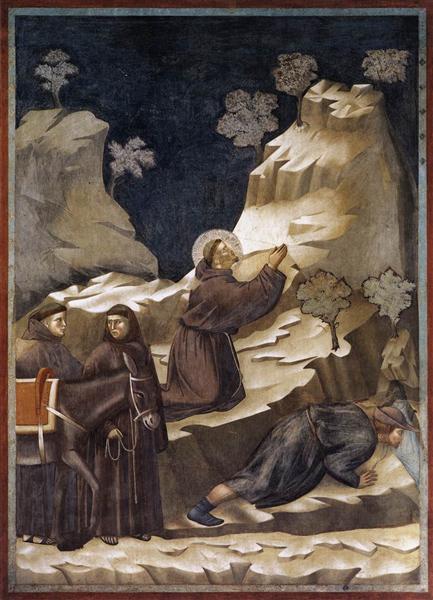
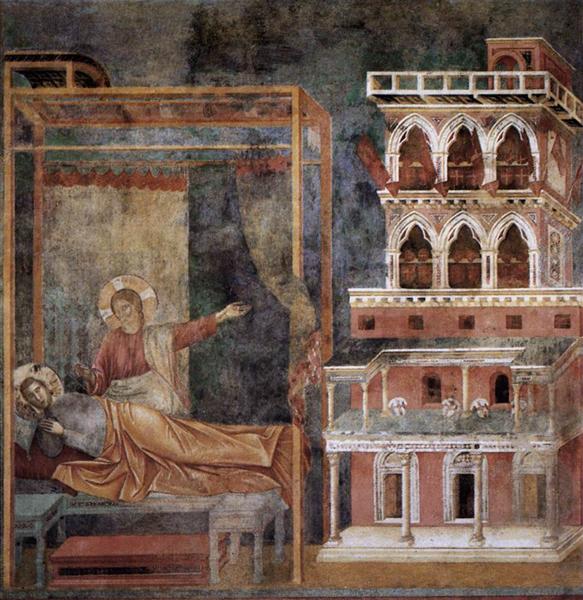
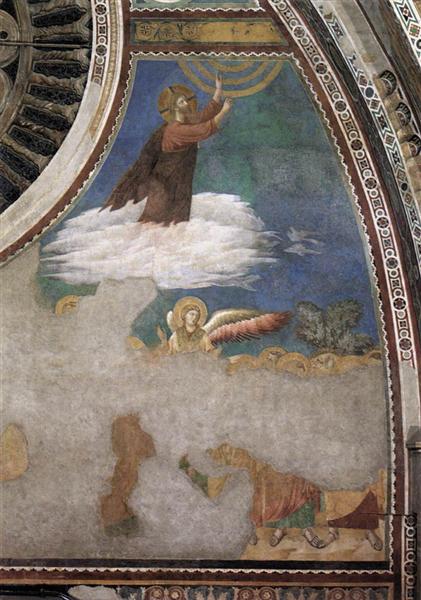
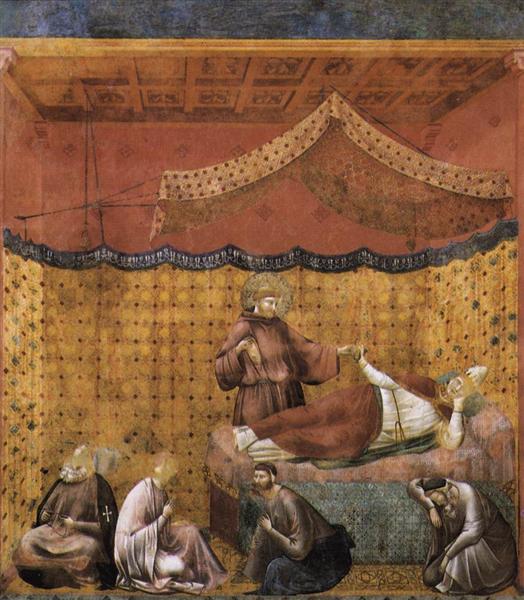
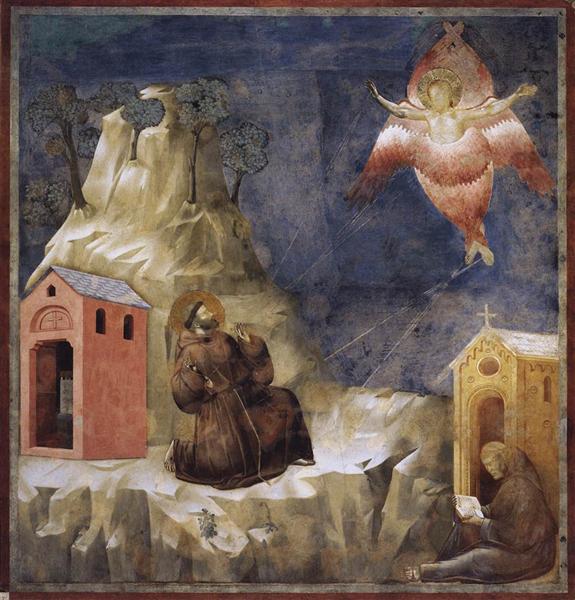
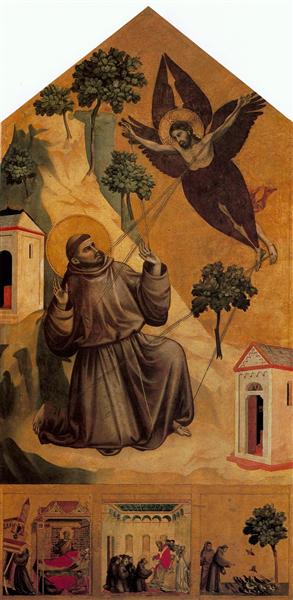
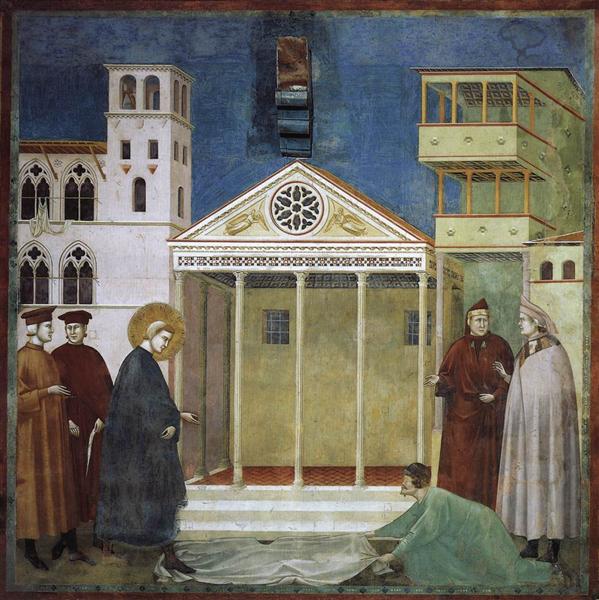
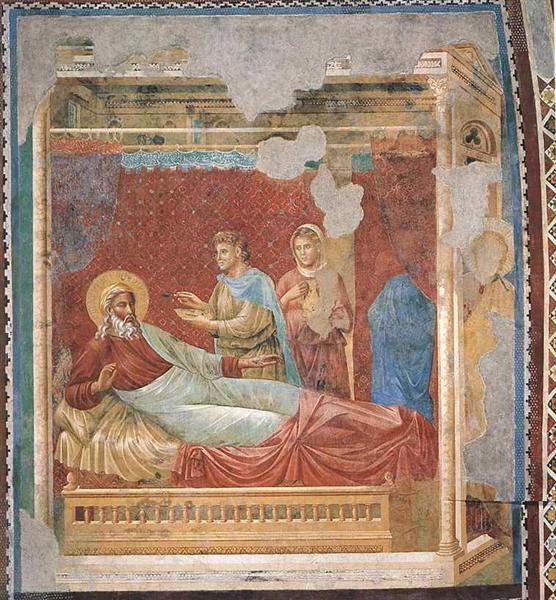
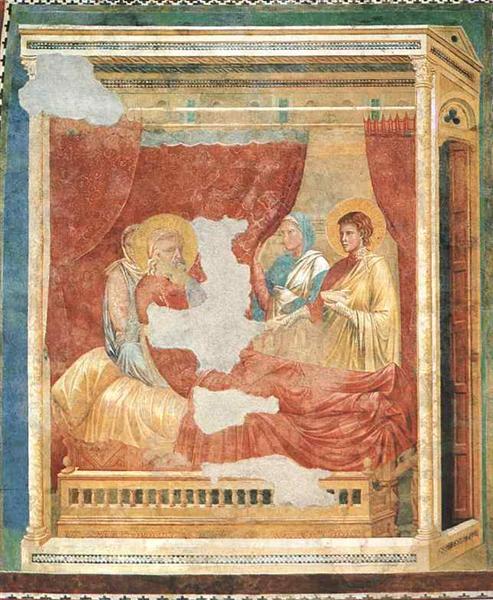
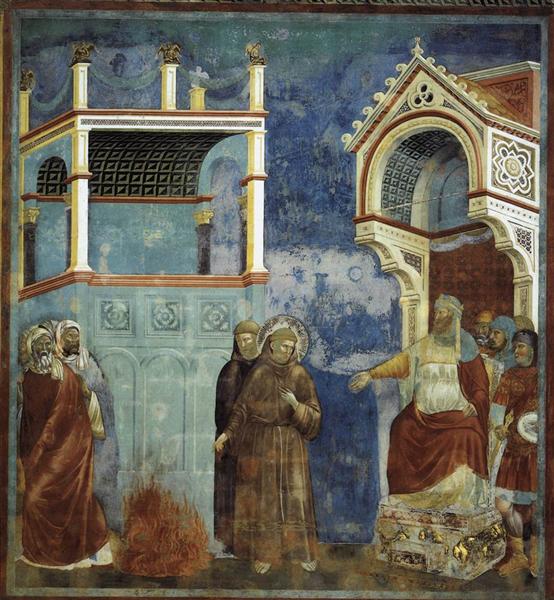
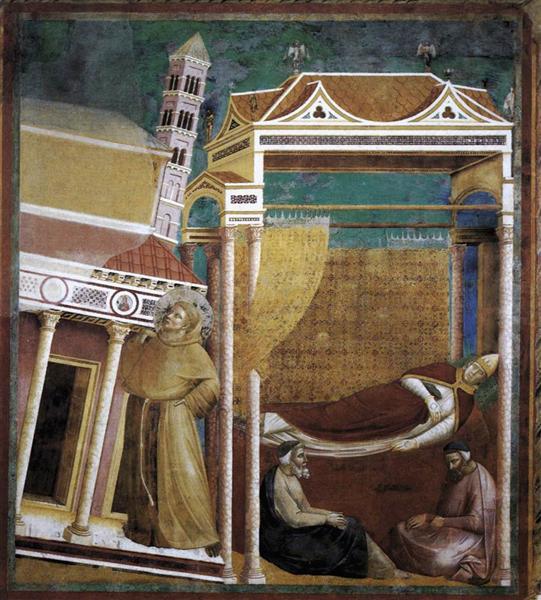
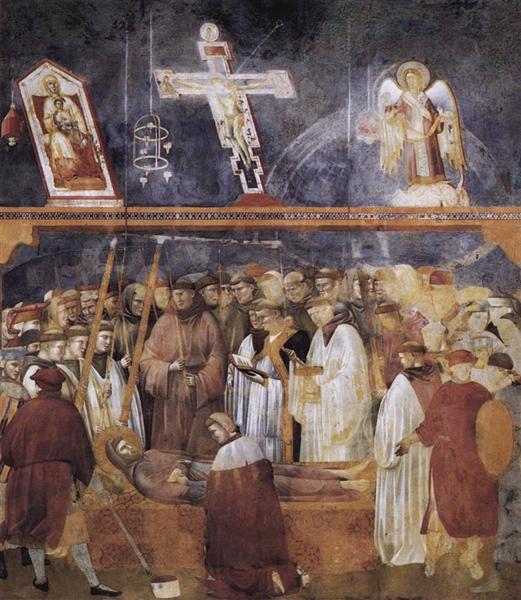
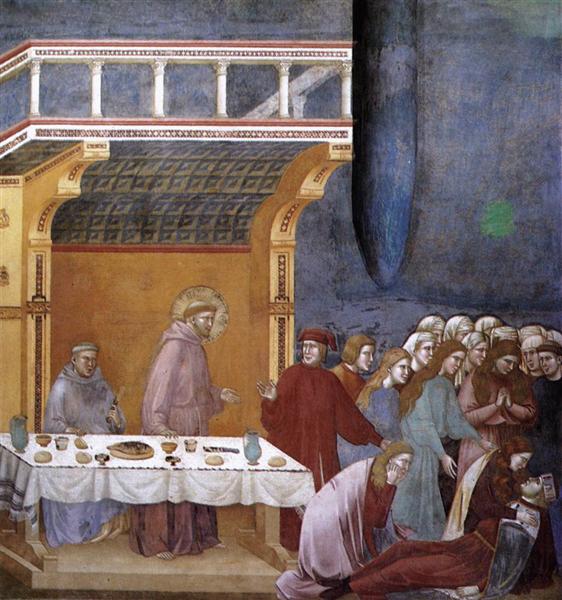
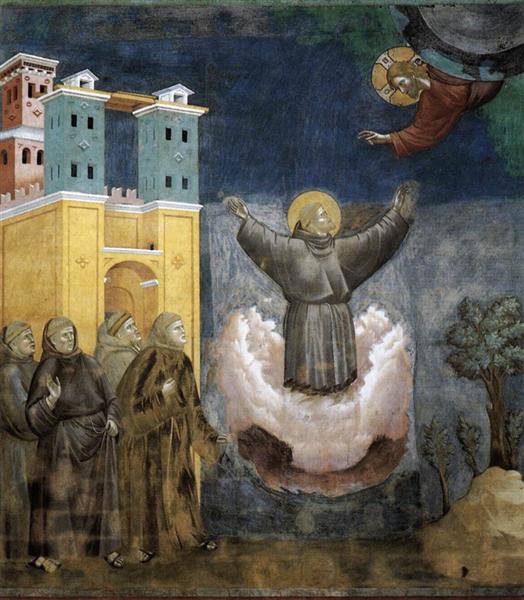
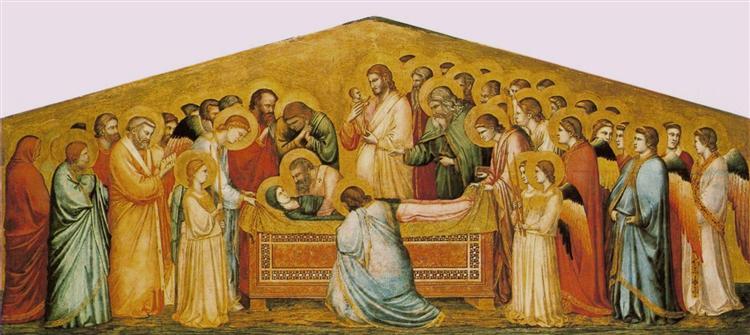
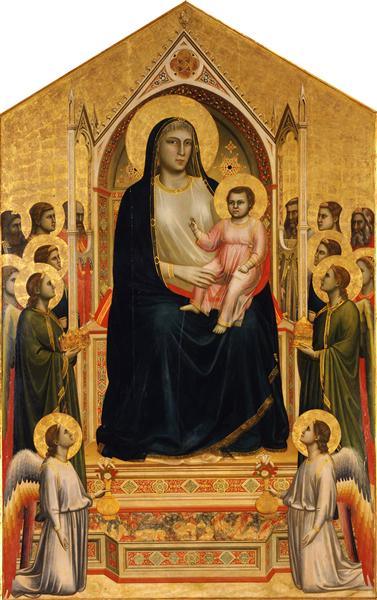
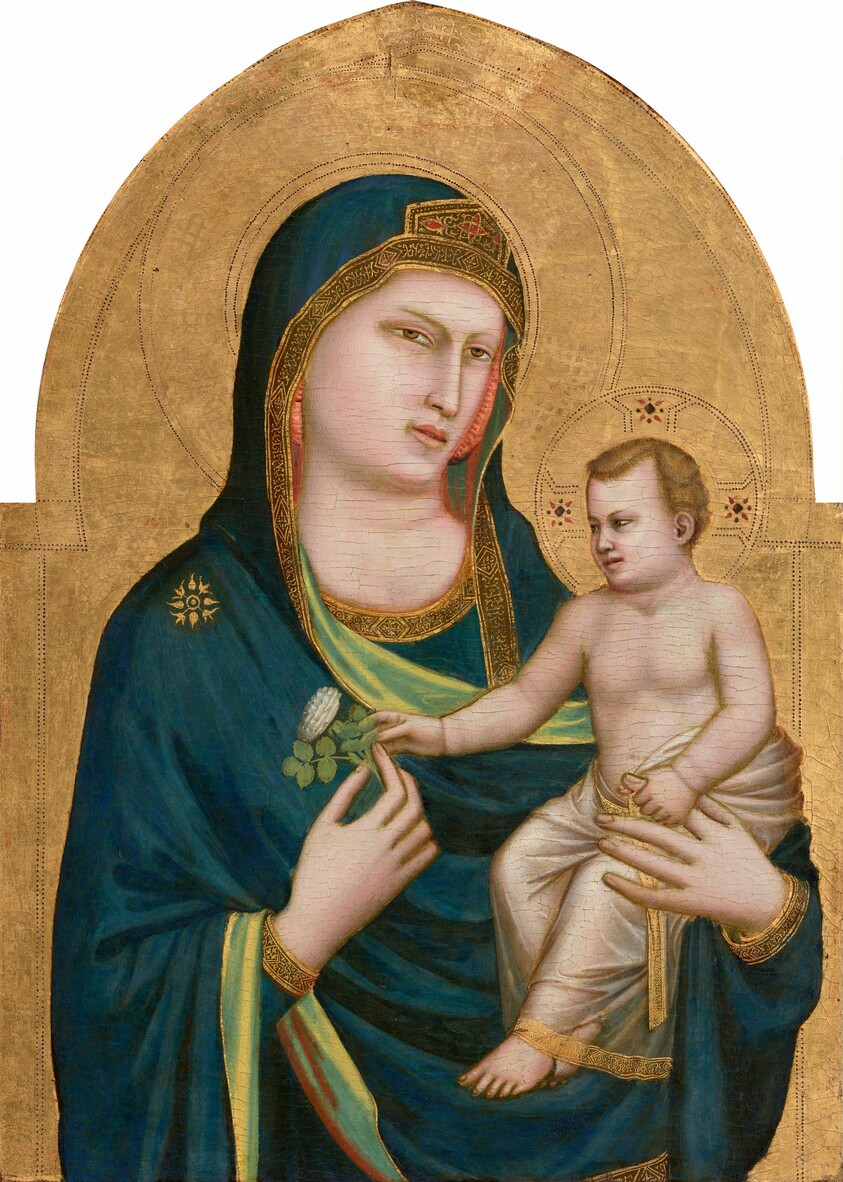
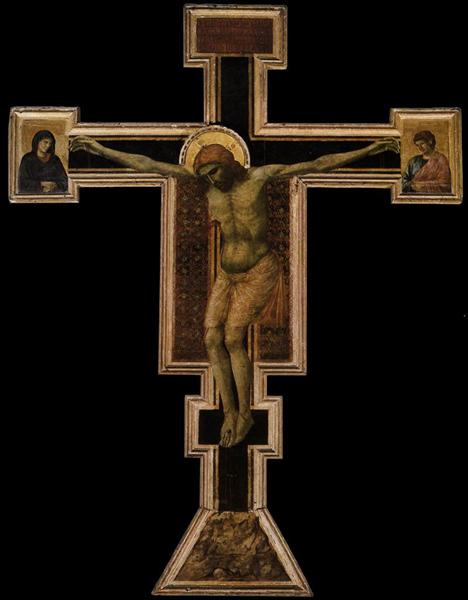
Considered one of the first of the Italian Renaissance artists, Giotto di Bondone was a talented painter and architect. Not only are his works celebrated today for their architectural style and subject matter, but he was also renowned by his contemporaries, including the Italian poets Boccaccio and Sacchetti, and Dante Alighieri, who mentioned the artist by name in his famous book The Divine Comedy. Michelango is also said to have studied his frescoes in the Peruzzi Chapel. Giotto is most remembered for his break with the traditional Byzantine style, and by introducing the technique of drawing accurately from life. He went away with the typical Byzantine style of elongated faces and stylized clothing, and instead incorporated three-dimensional forms, based on real observation, and garments hanging naturally with real weight. All of his breaks from tradition earned him the reputation of creating a new standard of representational painting. He actively invited the viewer into the scene by creating real human faces and real emotion. Although he is a highly renowned Italian Renaissance painter, his life is surrounded in mystery. His date of birth, place of birth, appearance, the order in which he created his works, and his burial location are all clouded in controversy. Many of the works ascribed to him may not actually be his, a fact which keeps art historians guessing at many frescoes in Italy during the period in which he was alive. Two of his works, which are known for sure to be his, are the Campanille bell tower of the Florence Cathedral and the frescoes in the Arena Chapel in Padua. The latter frescoes are considered to be one of the supreme masterpieces of the Early Renaissance period, as they incorporate both Giotto’s style as well as his interpretation of sacred bible stories.
Timeline
Born 1266 — Died 1337
1290s
1300s

1320s