Benjamin Brecknell Turner
b. 1815 — d. 1894
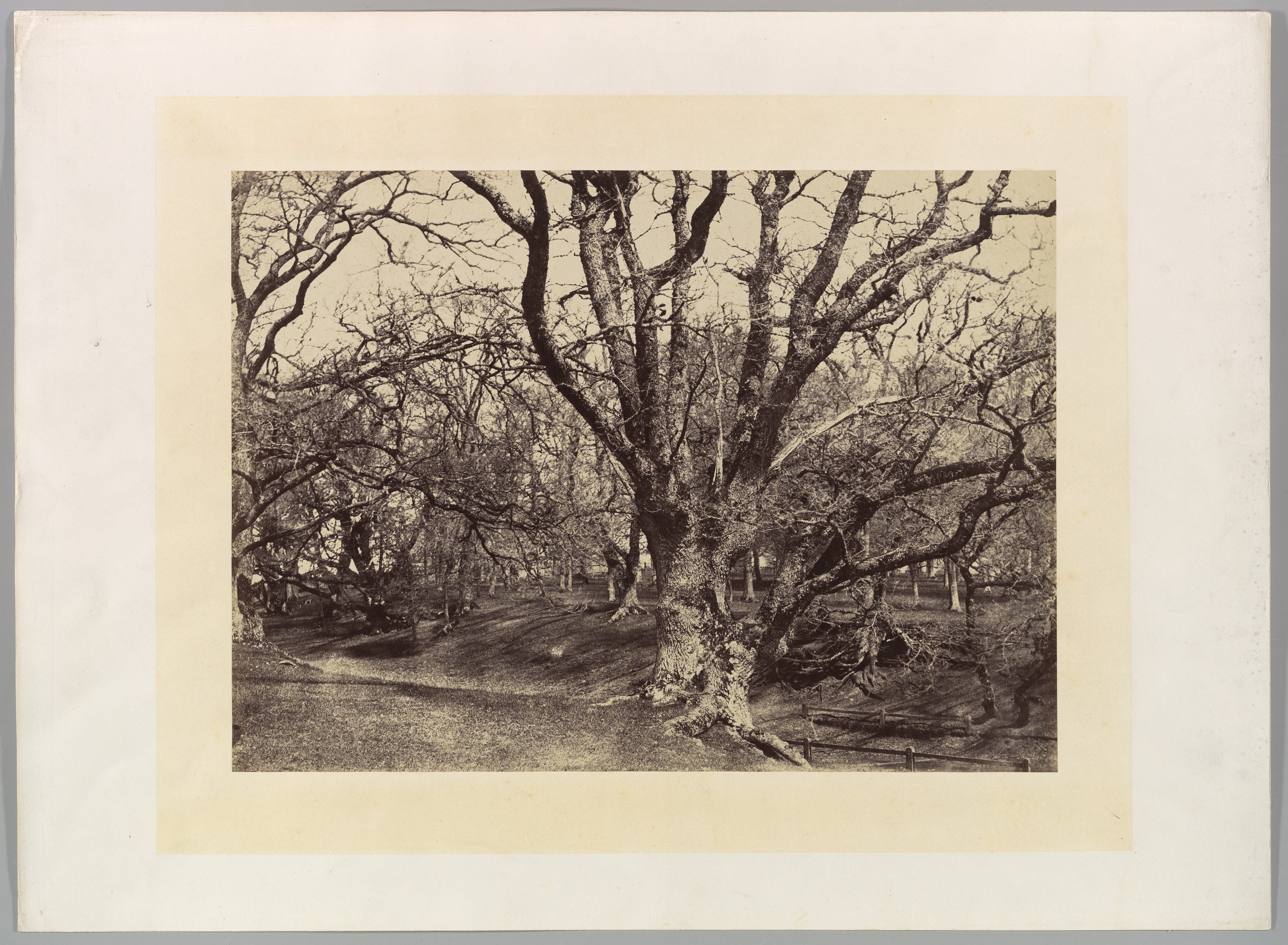
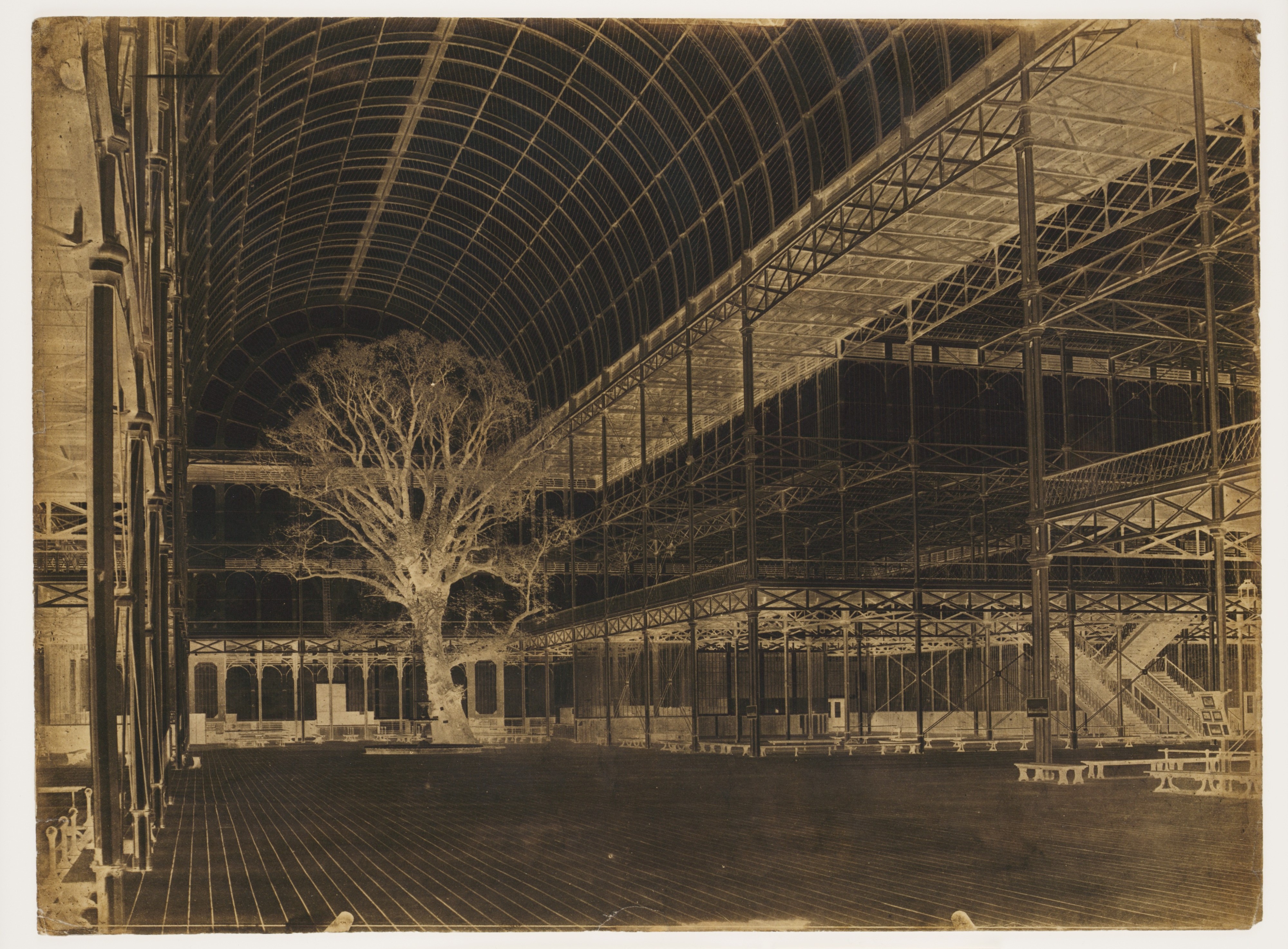
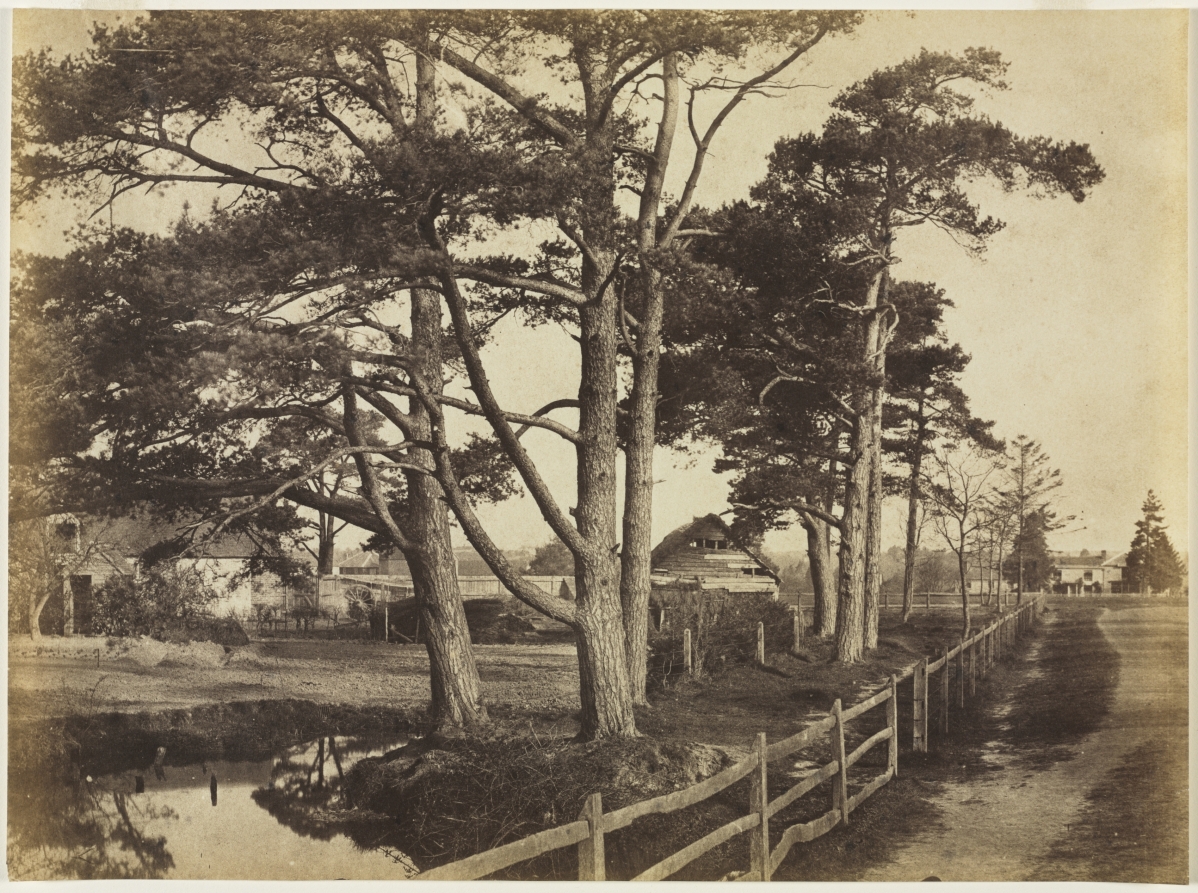
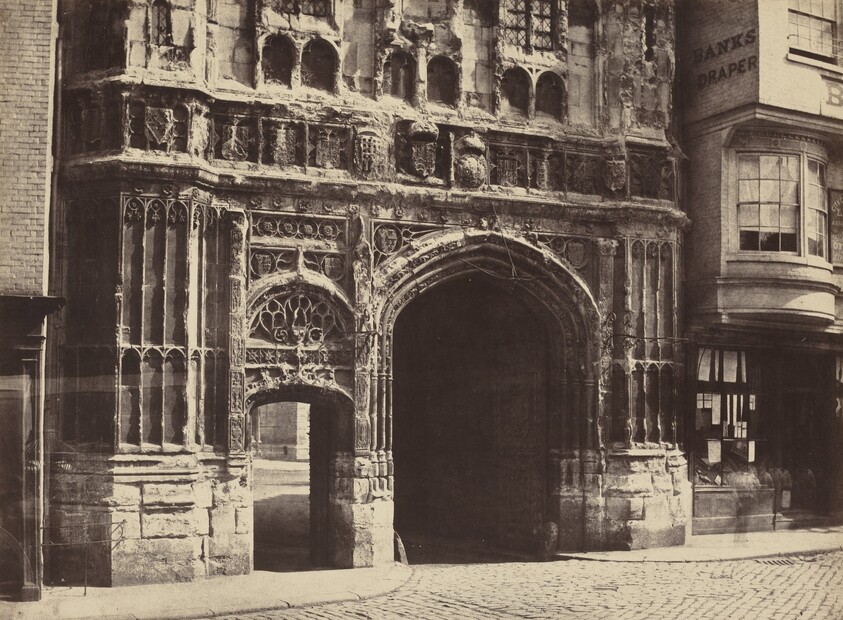
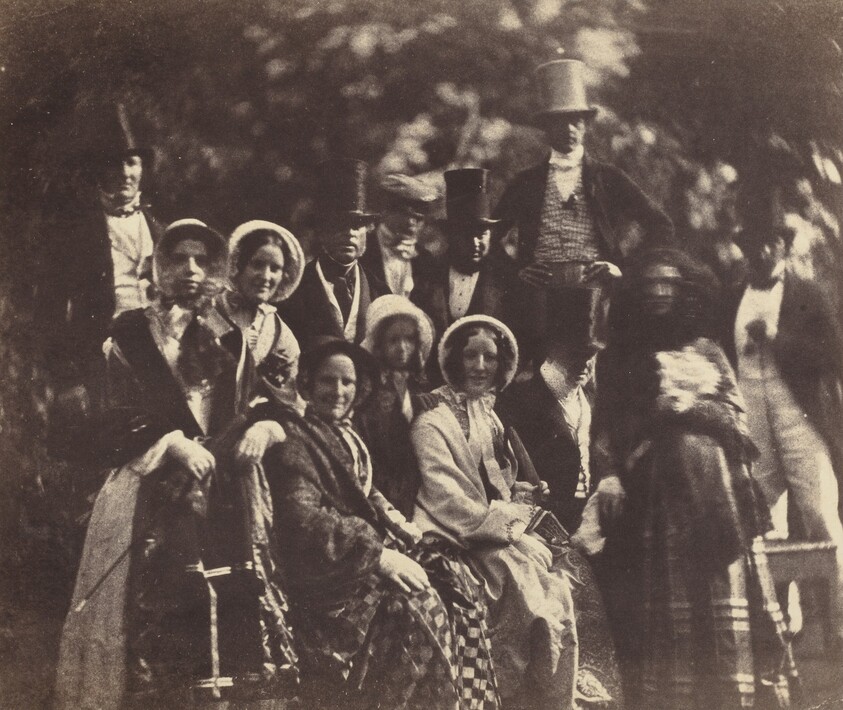
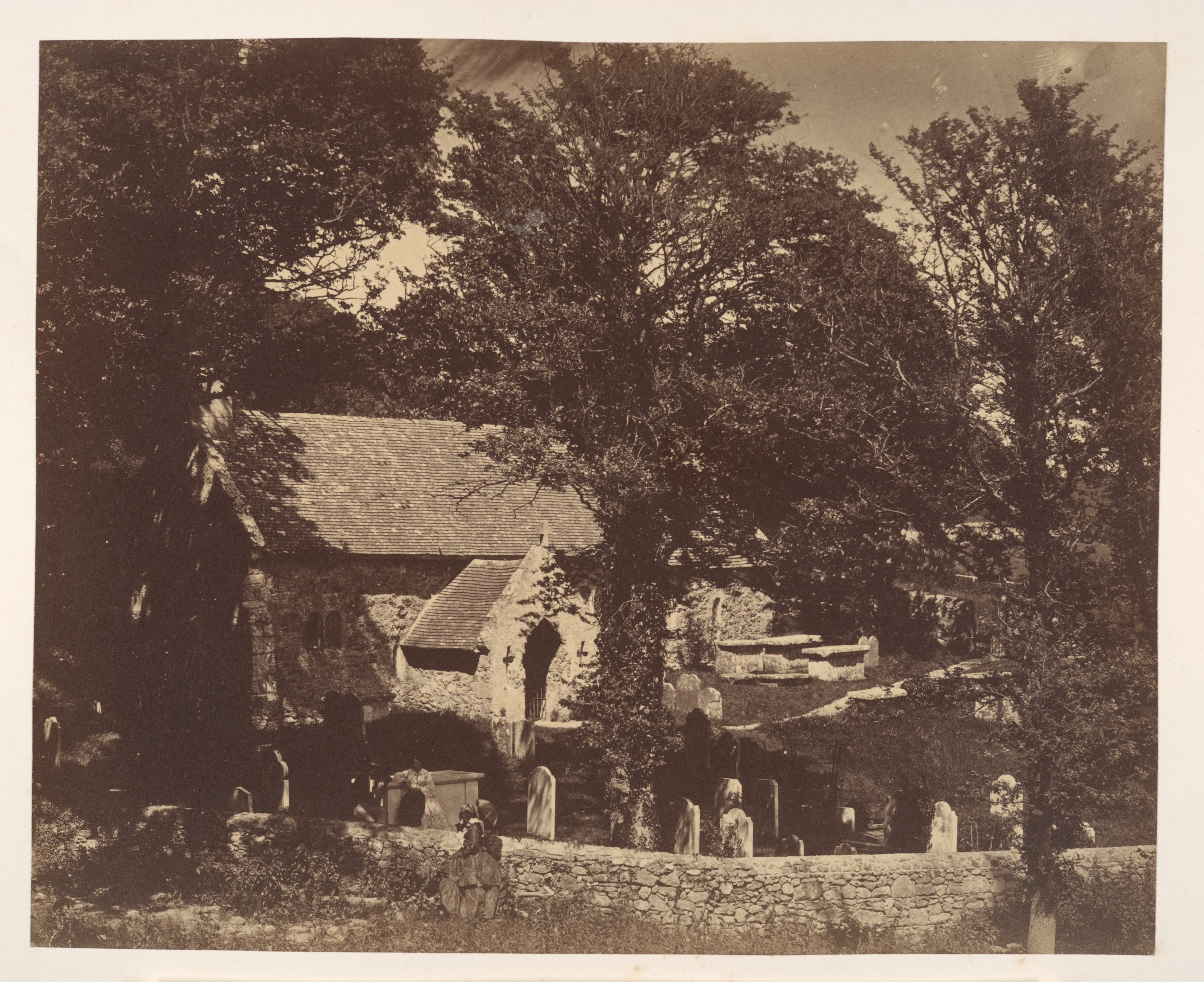
Benjamin Brecknell Turner British, 1815-1894 Benjamin Turner was considered one of Britain's finest calotypists. His principal subjects were architecture and landscape, but he also produced portraits. Turner took up photography in 1849, learning the new art form directly from William Henry Fox Talbot, inventor of the calotype process. He also worked with Sir Charles Wheatstone, an early experimenter in optics and photography. Turner practiced photography both in the field and in a glazed studio he had built above the family tallow chandling business, which he managed for more than 50 years after the death of his father in 1841. Like his photographs, his candles were said to be the best of their kind. He enjoyed photographing the countryside and would often transport his enormous camera and portable darkroom on a wheeled cart. Turner's work is distinguished by an interest in detail derived from earlier painting, as well as by conveyance of the strong feelings objectified in his images of buildings and land. His wife, Agnes Chamberlain, was a member of the Worcester china family, and many of his images are of the Worcester-Hereford area. Turner belonged to the Calotype Club and was a founder of both the Photographic Exchange Club (serving as treasurer and honorary secretary) and the Photographic Society of London (later serving as vice president). One of his works in the Great Exhibition in London (1851) was admired by and presented to Prince Albert. Turner's works were also included in the 1855 Exposition Universelle in Paris, where he won a bronze medal, and the 1862 International Exhibition in London. T.W.F.
Timeline
Born 1815 — Died 1894

![[Rural Manor, Possibly Bredicot]](https://images.metmuseum.org/CRDImages/ph/original/DP214799.jpg)