Alberto Sughi
b. 1928 — d. 2012
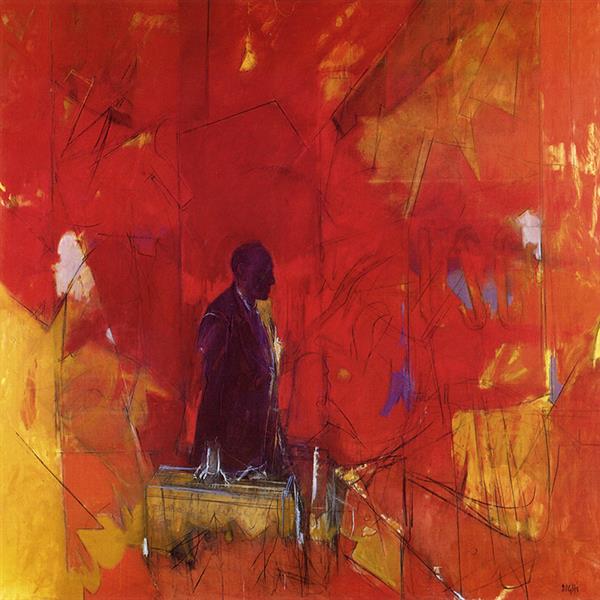
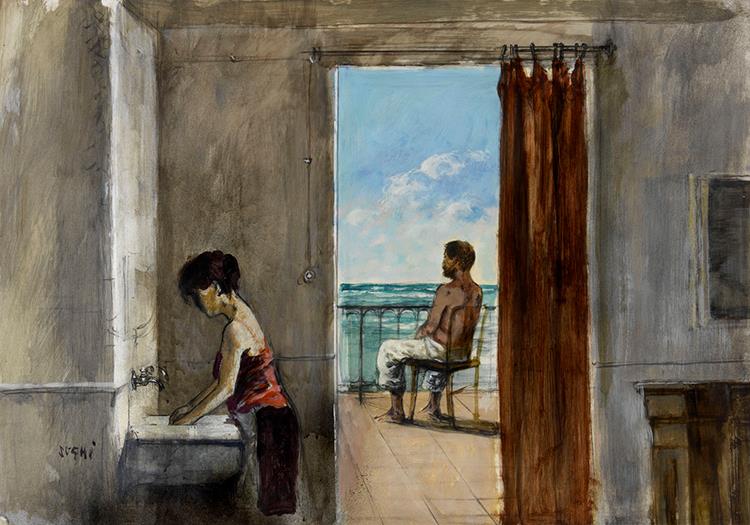
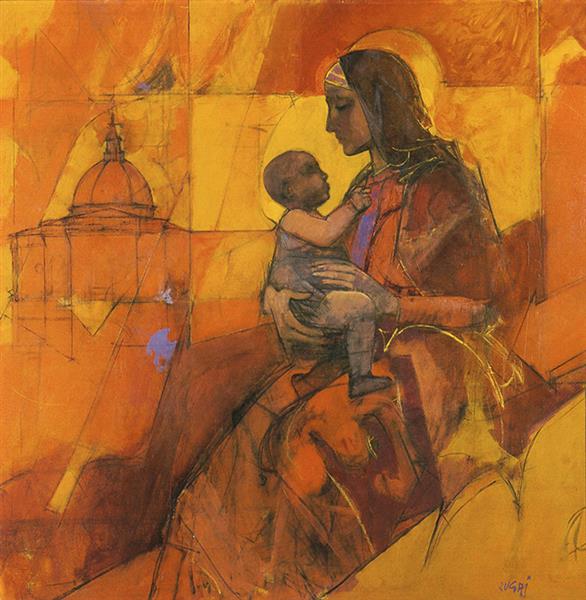
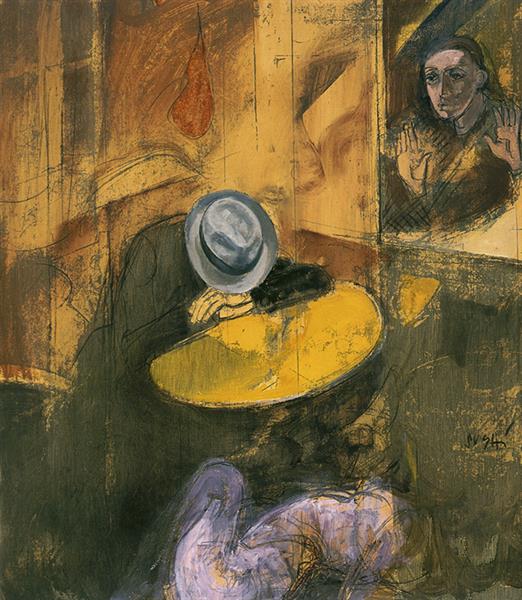
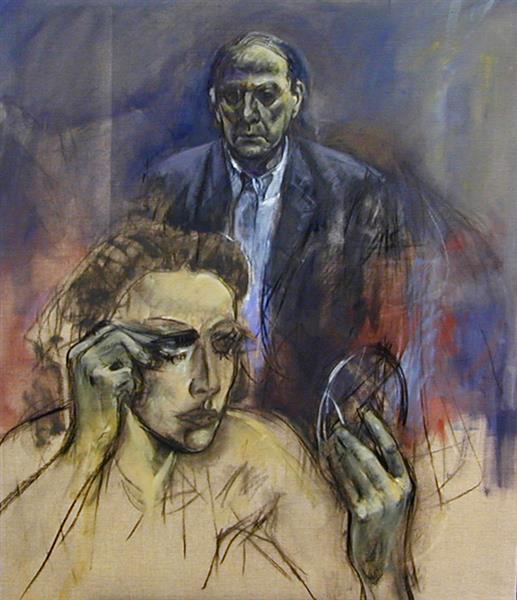
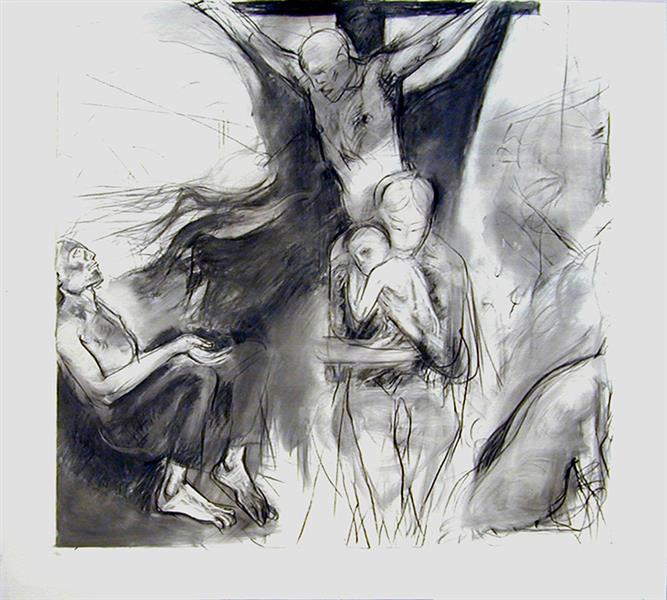
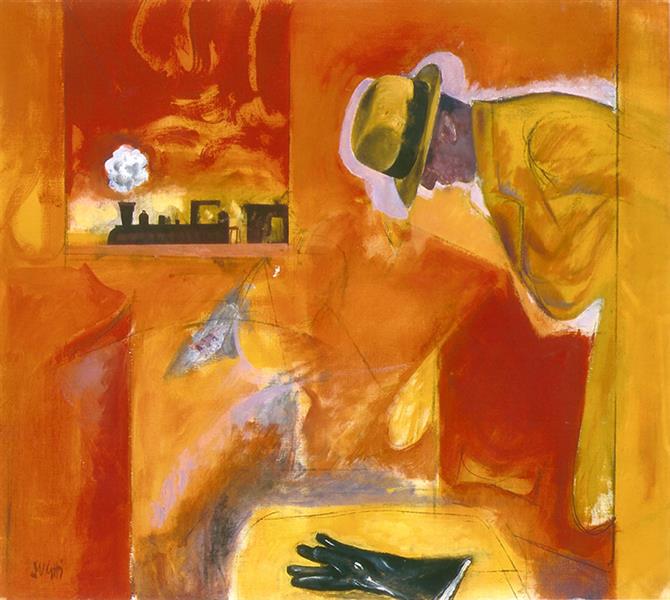
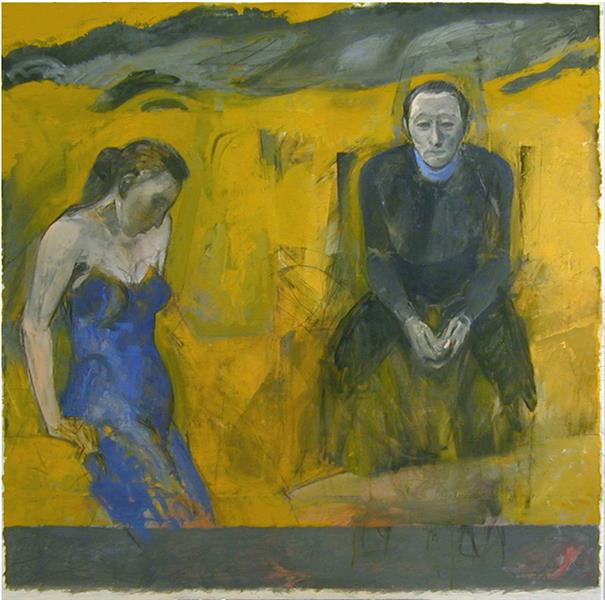
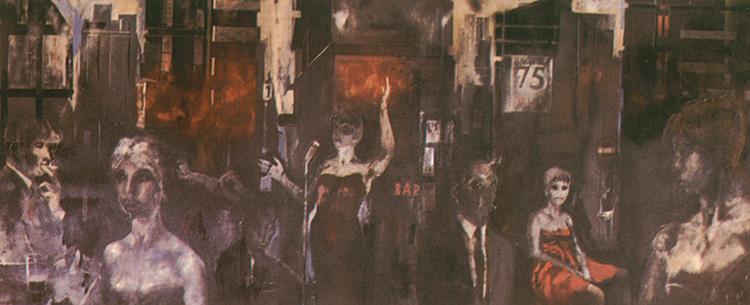
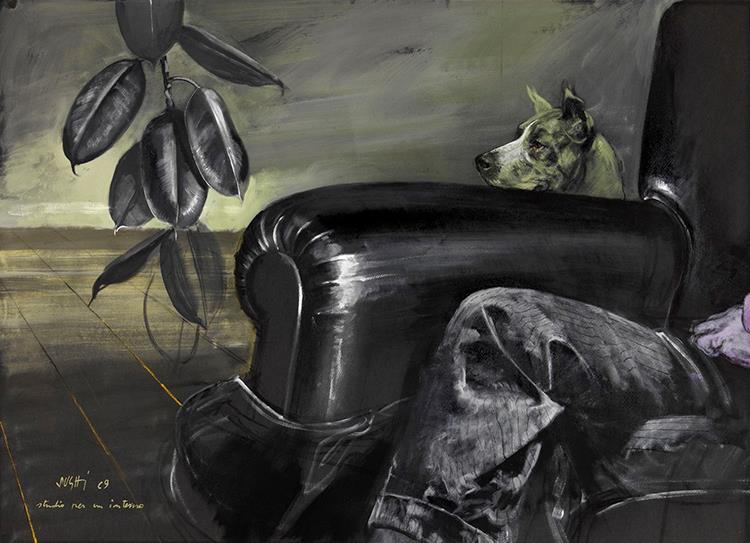
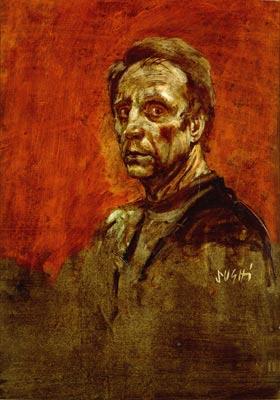
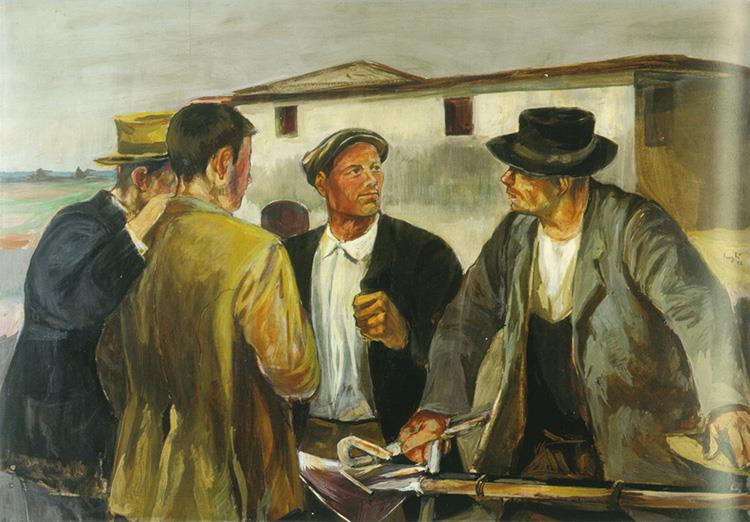
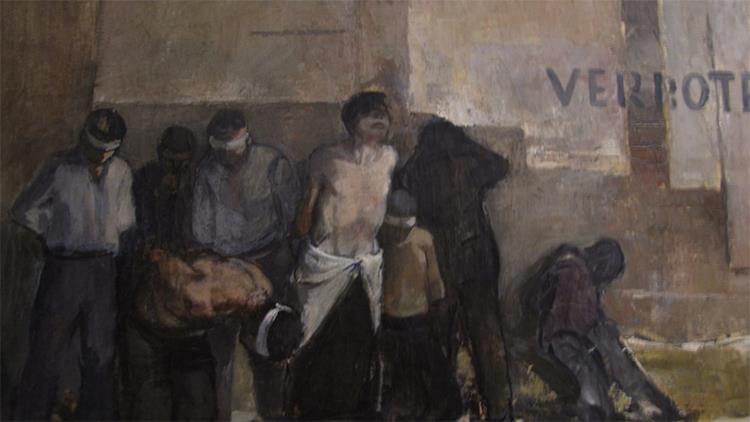
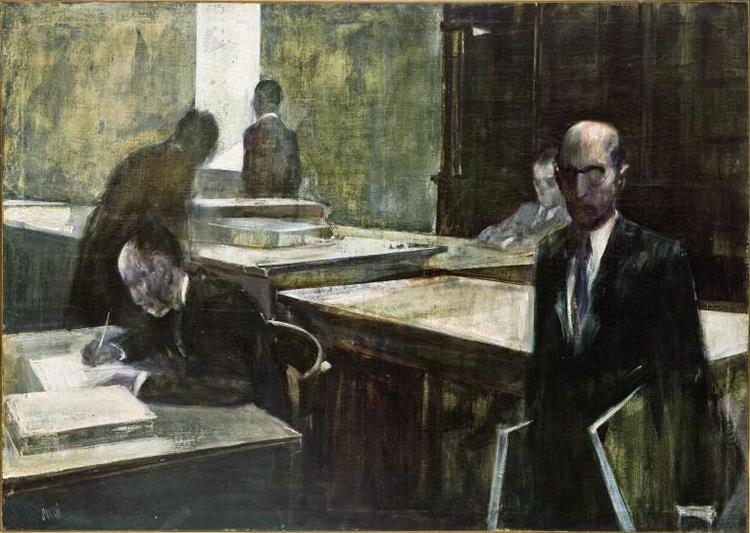
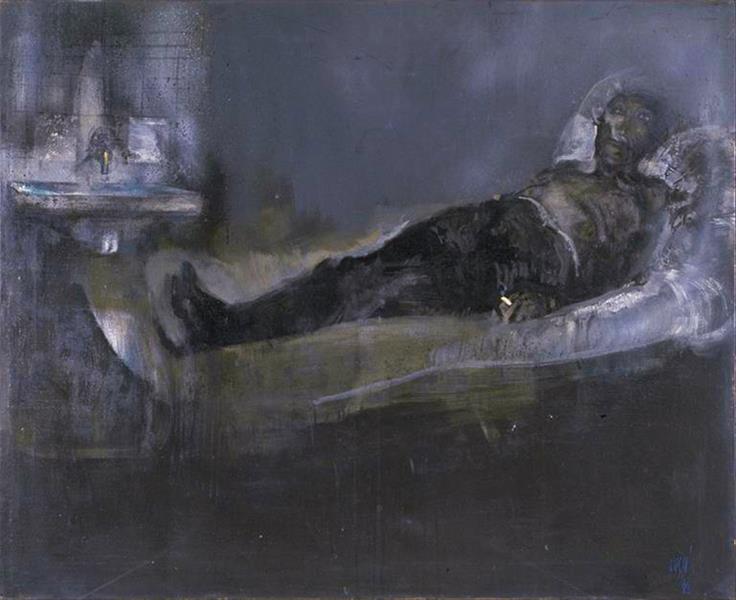
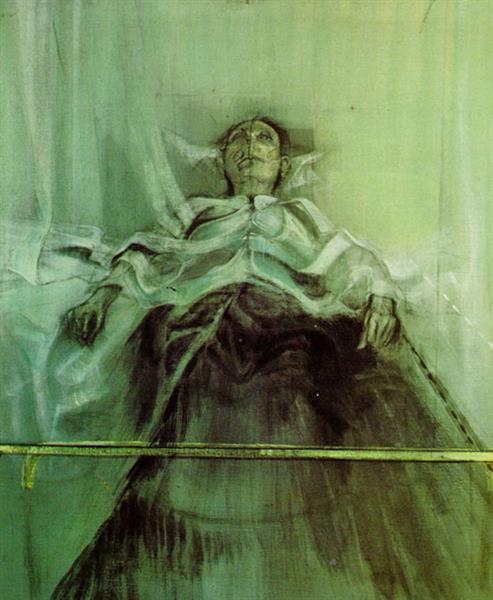
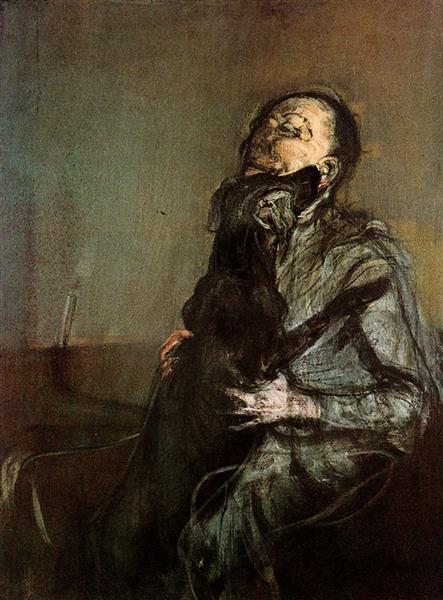
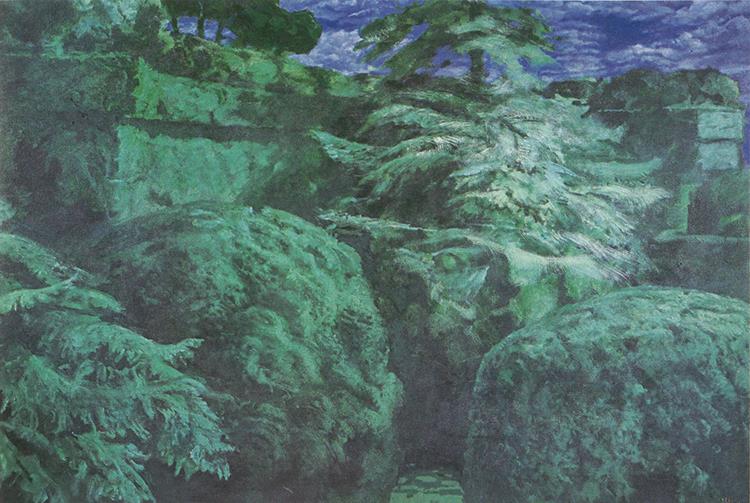
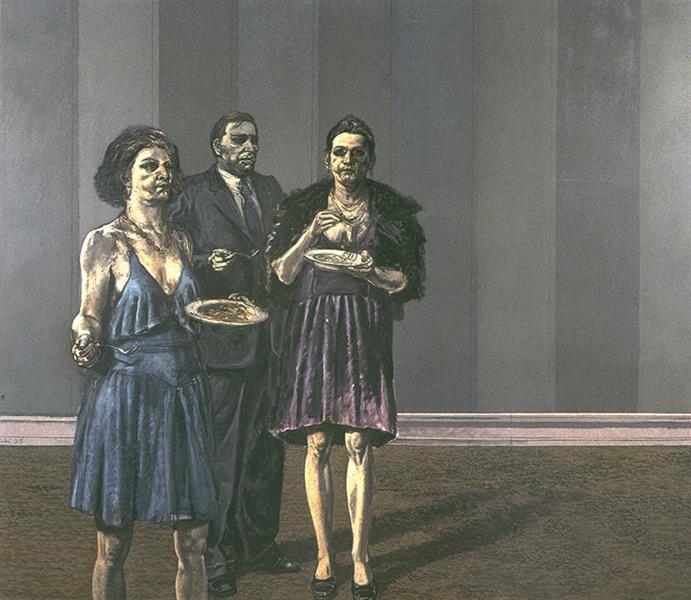
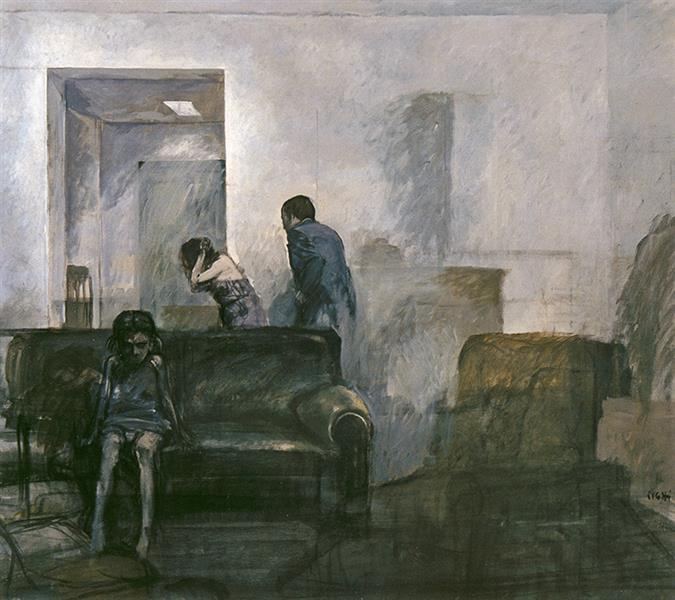
Alberto Sughi was born in Cesena on 5 October, 1928. His artistic development is almost always expressed in thematic cycles, resembling cinematographic sequences. Firstly, the so-called green paintings, dedicated to the relationship between man and nature (1971-1973). Then [i]La cena[/i] (1975-1976) and, at the beginning of the 1980s, the twenty paintings and fifteen studies of the [i]Immaginazione e memoria della famiglia[/i]. From 1985 he produced the series [i]La sera o della riflessione[/i]. From the year 2000 he created the [i]Notturno[/i] cycle. After classical studies, and artistically self-taught, he learnt the rudiments of his art from his uncle. Sughi first exhibited in a collective exhibition in Cesena in 1946 and, in the same year, he spent a period of time in Turin, where he worked as an illustrator for the newspaper Gazzetta del Popolo. Between 1948 and 1951 he worked in Rome, where he met various artists, among whom Marcello Muccini and Renzo Vespignani from the [i]Gruppo di Portonaccio[/i], a fundamental meeting for Sughi, both from the personal and the artistic point of view. He returned to Cesena in 1951. These were the years when the “existential realism” movement was formed. Renato Guttuso supported it and Antonello Trombadori compared it to the style of Edward Hopper. At the beginning of the ‘70s Sughi moved from the city of Cesena to the nearby hills of Carpineta and started work on the cycle La cena , a clear metaphor for middle class society, containing a certain Germanic realism, resembling the works of George Grosz and Otto Dix, enveloped in almost metaphysical atmospheres, isolating every character and freezing them within the scene. Ettore Scola chose one of the paintings from the Cena cycle as a poster for his film [i]La Terrazza[/i], and Mario Monicelli was inspired by Sughi’s atmospheres and colours in his [i]Un borghese piccolo piccolo[/i]. In 1978, La cena was exhibited in Moscow at the Manezh Gallery. In 1980 Sughi started work on a new narrative cycle entitled[i] Immaginazione e memoria della famiglia[/i]. Together with his large triptych, [i]Teatro d’Italia[/i], painted between 1983 and 1984, it showed that the artist had returned to the theme of modern society. [i]Teatro d’Italia[/i] is, in fact, a great social allegory. Sughi has taken part in all the most important contemporary art events, from the Biennale Internazionale d’Arte in Venice to the Quadriennale in Rome – of which he has also been Director – and to numerous exhibitions. Both Italian and foreign museums have shown many retrospective exhibitions of his work. On 28 November 2005, Carlo Azeglio Ciampi presented him with the prestigious Vittorio De Sica Prize, as homage to an artist who, ever since his early works, has shown a particular feeling for the cinema, even going as far as to state that “the cinema taught me how to paint”. Among others, the following critics have written about the work of Alberto Sughi: G. Amendola, G. Bassani, F. Bellonzi, R. Bossaglia, F. Caroli, E. Cavalli, L. Cavallo, G. Cavazzini, R. Civello, E. Crispolti, M. De Micheli, A. Del Guercio, F. Ferrarotti, D. Guzzi, P. Levi, R. Lucchese, M. Lunetta, A. Marotta, G. Menato, D. Micacchi, R. Nigro, G. Pellegrini, G. Proietti, G. Raimondi, P. Restany, M. Rosci, G. Santato, S. Sinisgalli, V. Sgarbi, F. Solmi, A. Trombadori, M. Venturoli, R. Zangheri, S. Zavoli.
Timeline
Born 1928 — Died 2012

1990s